Category: Refined Living

James Obasi27 December 2025
aa-21.jpeg

2min7870
A United States congressman, Riley Moore, highlighted the contrast between deadly Christmas attacks in Nigeria in previous years and US military action this year, noting that American forces targeted Islamist militants rather than allowing another holiday to be marked by bloodshed. Moore wrote on social media that Christians in Nigeria had been killed during the past two Christmas seasons, but this year, the response focused on extremist groups instead. “For the past two Christmases, Christians have been murdered in Nigeria. This year, thanks to @POTUS, Radical Islamic Terrorists were on the receiving end of 12 Tomahawk missiles,” Moore said. He added that the successful strikes on ISIS, conducted in coordination with the Nigerian government, are a first step toward securing the country and ending the attacks on Christian communities. US President Donald Trump confirmed that American forces carried out lethal strikes against Islamic State militants in northwestern Nigeria and vowed that further action would follow if attacks on Christians continued. In 2023, attacks on Christmas Eve in Plateau State reportedly left at least 140 people dead and several others missing in remote villages. In 2024, herdsmen attacked a cluster of five predominantly Christian villages in Benue State on Christmas Day, killing at least 33 people.

aa-20.jpeg

2min4060
Most smart building systems today rely on closely monitoring people in order to understand how spaces are used. This work is grounded in a different philosophy: intelligent and responsive buildings can be designed in ways that strongly respect human privacy. By using rich, privacy-preserving data, graph-based deep learning models are being developed to detect occupancy, estimate the number of people in a space, and infer basic activities such as sitting, walking, presenting, or group discussions. These insights are then linked to indoor air quality and energy consumption, enabling smarter and more efficient control of ventilation and HVAC systems. The engineer explained that this research represents a new direction for smart buildings spaces that adapt to people in real time, improve health and comfort, and significantly reduce energy waste. Emphasising the relevance of privacy-preserving activity sensing for Nigeria and across Africa, he noted that such systems are better aligned with local values and realities. Many communities are understandably wary of heavy surveillance, and solutions that rely on non-camera sensors can build trust while still improving comfort, safety, and efficiency. Energy costs are often high and power supply can be unstable. As a result, schools, hospitals, and offices stand to benefit greatly from buildings that automatically adjust ventilation and cooling based on real activity rather than fixed schedules, reducing energy use while maintaining healthy indoor environments. He added that just as African countries have leapfrogged to mobile banking and distributed solar power, they can also leapfrog to privacy-respecting smart buildings instead of adopting camera-heavy systems developed elsewhere. The methods being developed graph-based models, multimodal sensing, and privacy-aware algorithms can be adapted to low-cost sensors and deployed in classrooms, clinics, and offices across the continent.

aa-13.webp

5min3710
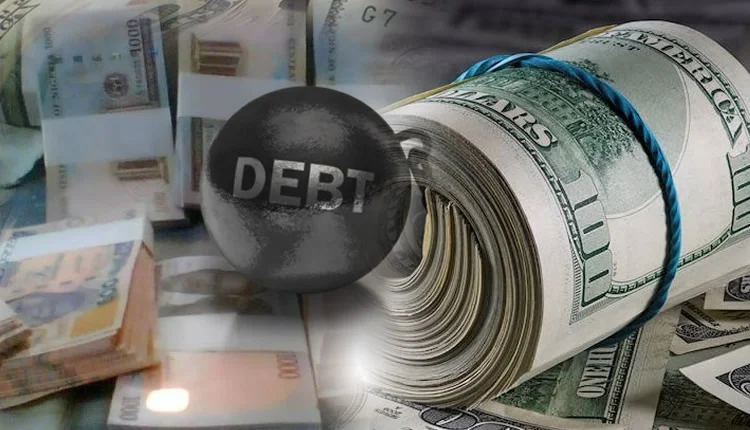
Outstanding bank exposure rose marginally to N2.59tn in February 2025 before easing to N2.55tn in March. By April and May, the balance stabilised at around N2.44tn–N2.45tn, followed by a sharp drop to N2.13tn in June 2025 the largest single-month adjustment recorded during the year. June marked the most pronounced year-on-year shift. Outstanding obligations declined from N2.68tn in June 2024 to N2.13tn a year later, representing a reduction of more than half a trillion naira. On a month-on-month basis, the fall from May’s N2.45tn to June’s N2.13tn amounted to approximately N313bn, pointing to an accelerated effort to reduce bank liabilities toward the end of the second quarter, amid elevated interest rates and stronger statutory revenue inflows. Throughout 2024, the Central Bank of Nigeria’s Monetary Policy Committee maintained an aggressive tightening stance, raising the Monetary Policy Rate from 18.75 per cent at the beginning of the year to about 27.50 per cent by November, as part of efforts to curb inflation and stabilise the exchange rate. In 2025, the committee largely kept rates unchanged at 27.50 per cent for most of the year, reflecting a pause following the earlier tightening cycle as inflationary pressures began to ease. In September 2025, the MPC implemented its first rate cut in five years, reducing the benchmark to 27.00 per cent, a move sustained in November as policymakers sought to balance disinflation with financial stability. High borrowing costs appear to have encouraged sub-national governments to scale back bank borrowing as statutory allocations improved. Records show a significant increase in the funds received by state governments and local government councils in 2025 compared with 2024, underscoring the scale of revenue gains flowing through the federation account. States and local governments jointly received N12.67tn in 2025, up from N8.96tn in 2024, excluding the 13 per cent derivation fund. This represents a year-on-year increase of N3.71tn, or 41.4 per cent. Including derivation, total receipts rose from N10.31tn in 2024 to N14.28tn in 2025 an increase of N3.98tn, or 38.6 per cent. The derivation component alone increased from N1.35tn to N1.62tn over the same period. State governments accounted for the largest absolute gains, with their allocations rising from N5.19tn in 2024 to N7.31tn in 2025, an increase of N2.13tn, or 41 per cent. Allocations to local government councils grew from N3.77tn to N5.35tn, a rise of N1.58tn, or 41.8 per cent. The monthly distribution data reflect this shift. State allocations increased from N396.69bn in January 2024 to N498.50bn in January 2025, peaking at N727.17bn in October 2025 before closing the year at N601.73bn, well above the N549.79bn recorded in December 2024. Local government councils followed a similar trajectory, with allocations rising from N288.93bn in January 2024 to N361.75bn in January 2025, surpassing N500bn in the final quarter of 2025 and ending the year at N445.27bn, compared with N402.55bn a year earlier. In 2024, monthly allocations to councils largely ranged between N267bn and N294bn, while state allocations hovered around N366bn to N403bn. By contrast, 2025 figures show that councils rarely received less than N387bn in any month, while state allocations seldom fell below N498bn. Overall, total allocations to all three tiers of government rose from N13.91tn in 2024 to N20.28tn in 2025, while total distributable revenue, including derivation, increased from N15.26tn to N21.89tn, with states and councils accounting for most of the growth. The surge in statutory inflows appears to have contributed to the decline in bank debt among states and local governments. However, fiscal pressures persist for some sub-nationals, particularly those with high debt burdens and weaker revenue profiles, raising concerns about long-term sustainability and the capacity to fund critical development projects. In response, debt management authorities have urged state governments to prioritise revenue mobilisation and explore alternative financing models, such as public-private partnerships, rather than relying heavily on borrowing. Such approaches are seen as a way to attract private capital, reduce fiscal strain, accelerate infrastructure delivery, and support broader economic growth.

aa-19.jpeg

3min7700
President Bola Tinubu has welcomed the successful securing of $1.126bn in funding for Phase 1, Section 2 of the Lagos–Calabar Coastal Highway, describing it as a significant milestone that ensures uninterrupted progress on one of Africa’s most ambitious infrastructure developments. The funding package, fully underwritten by First Abu Dhabi Bank and the African Export-Import Bank, with partial risk coverage from the Islamic Corporation for the Insurance of Investment and Export Credit, raises total financing secured for Phase 1 of the project to $1.873bn. In a statement issued by his Special Adviser on Information and Strategy, Bayo Onanuga, the President praised the Federal Ministries of Finance and Works, as well as the Debt Management Office, for their coordinated efforts in concluding the deal, which was signed on December 19, 2025. Tinubu said the successful closure of the transaction guarantees continued work on the highway and reaffirmed his administration’s commitment to exploring diverse funding options for priority economic and infrastructure projects nationwide. Phase 1, Section 2 spans about 55.7 kilometres, linking Eleko in Lekki to Ode-Omi routes described by the Presidency as vital economic corridors that will boost trade efficiency and logistics connectivity. The latest financing follows the earlier $747m secured for Phase 1, Section 1 in July 2025, reinforcing what officials described as the project’s scalability and strong bankability. The Minister of Finance and Coordinating Minister of the Economy, Wale Edun, called the December 19 signing a landmark moment in Nigeria’s infrastructure development. Edun noted that the transaction represents the first fully underwritten financing of this scale for a Nigerian road project, adding that ICIEC’s participation marked its largest deal since Nigeria’s recent institutional and regulatory reforms, underscoring growing investor confidence in the country. Minister of Works, David Umahi, had earlier opened Section 1 of the highway temporarily to traffic on December 12, 2025. The 47-kilometre stretch from Ahmadu Bello Way to Eleko village junction in Lagos was opened to ease movement during the Christmas period. Originally conceived in the 1970s, the Lagos–Calabar Coastal Highway gained renewed momentum under President Tinubu in February 2024. The 700-kilometre road is designed to run from Lagos through Ogun, Ondo, Edo, Delta, Bayelsa, Rivers and Akwa Ibom states, ending in Calabar, Cross River State. Additional spurs are planned to link northern corridors, including the Sokoto–Badagry and a trans-Saharan route to Cameroon. Estimated to cost between $11bn and $13bn, the project has attracted controversy since construction began in March 2024, particularly over demolitions and compensation issues in parts of Lagos. Legal challenges have also emerged, including a $250m lawsuit filed in June 2025 by a group of foreign investors alleging constitutional and procedural breaches by the Federal Government.

Tech & Tools Desk27 December 2025
aa-18.jpeg

3min2190
The Nigerian Association of Chambers of Commerce, Industry, Mines and Agriculture Youth Entrepreneurs (NACCIMA-YE) has expressed confidence that the newly introduced tax laws will stimulate growth among small businesses, while urging the Federal Government to channel proceeds from the reforms into nationwide infrastructure development. According to report, the Federal Government has reaffirmed its plan to implement the Nigeria Tax Act and the Tax Administration Act from January 1, 2026, despite controversies surrounding alleged changes in the gazetted versions of the laws. The Chairman of the Presidential Fiscal Policy and Tax Reforms Committee, Taiwo Oyedele, after meeting with President Bola Tinubu in Lagos, stated that the reforms are aimed at easing the burden on Nigerians rather than raising quick revenue. Speaking at the Ondo City Entrepreneurs’ Dinner organised by NACCIMA Youth Entrepreneurs in collaboration with the Ondo Kingdom Chamber of Commerce, Industry, Mines and Agriculture, the Ondo State President of NACCIMA, Pastor Henry Adesaoye, said the Tinubu administration’s tax reforms would have a positive impact on the economy. He explained that the new tax framework is designed to reduce financial pressure on individuals and businesses, particularly small and informal sector operators who form the backbone of the economy. According to him, the reforms promote fairness by ensuring low- and middle-income earners pay less, while high-income earners contribute more equitably. Adesaoye stressed that public trust would only be sustained if tax revenues are visibly invested in infrastructure that improves living standards and supports economic growth. He added that the reforms would enhance transparency, block revenue leakages, expand the tax net, and protect small businesses. He noted that the dinner was organised to inspire young entrepreneurs, encourage experience-sharing, and promote best practices for business growth. He also advised young business owners to build strong customer relationships, identify their competitive strengths, and maintain trust. Reaffirming NACCIMA’s commitment to local economic development, Adesaoye said the association would continue engaging businesses on key issues, including high agent fees and strategies to align local enterprises with national, tech-driven economic goals. In his remarks, the Coordinator of the Ondo Kingdom Chamber of Commerce, Industry, Mines and Agriculture, Mr Sam Adegbola, said the event was aimed at fostering collaboration among entrepreneurs to address challenges and explore opportunities for business growth in Ondo Kingdom. He disclosed plans to organise a business summit for young entrepreneurs in July 2026 to connect youths with emerging economic opportunities in the area. Adegbola also revealed that the association operates a free agricultural training farm for Ondo youths, noting that about 65 beneficiaries had been trained as of October 2025, with plans to expand the programme in 2026.

James Obasi27 December 2025
aa-17-1280x717.jpeg

7min3120
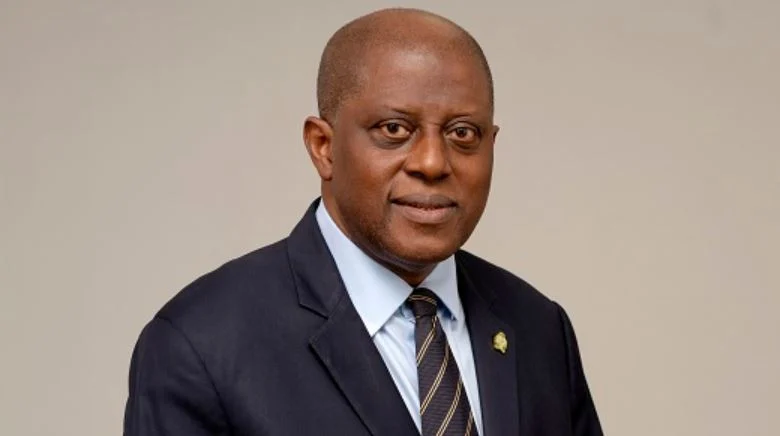
The Central Bank of Nigeria (CBN) is taking its reform agenda to the global investment community, projecting policy stability, macroeconomic discipline, and renewed confidence as it seeks to attract sustained capital inflows. Under the leadership of Governor Olayemi Cardoso, the apex bank is advancing a deliberate strategy to restore credibility, strengthen investor trust, and position the economy for long-term, sustainable growth. At a recent engagement with international investors in Washington, D.C., Cardoso reaffirmed Nigeria’s commitment to macroeconomic stability, transparent markets, and predictable policy direction. He emphasised that improved investor confidence would translate into stronger capital inflows, enhanced exchange rate stability, and a buildup of foreign reserves key pillars for sustainable economic expansion. Addressing participants at the US–Nigeria Executive Business Roundtable, Cardoso outlined a reform-driven narrative centred on rules-based economic management, institutional credibility, and the resolve to implement difficult but necessary policy decisions. The forum brought together senior corporate executives, institutional investors, and policymakers to discuss Nigeria’s ongoing economic reset and opportunities for long-term investment. Cardoso stressed that sustainable growth depends on credibility, noting that Nigeria’s reforms are anchored on transparency, discipline, and consistency. He explained that recent foreign exchange reforms have improved price discovery and market transparency, while the adoption of orthodox monetary policy has helped anchor expectations and manage macroeconomic risks in a volatile global environment. He also highlighted the modernisation of Nigeria’s payment systems as a critical component of the country’s investment proposition, noting that efficient, secure, and inclusive financial infrastructure is essential for business expansion, innovation, and financial inclusion. Discussions at the roundtable focused on Nigeria’s macroeconomic stabilisation efforts, regulatory clarity, and opportunities to scale bankable projects across priority sectors such as infrastructure, energy, financial services, agriculture, and technology. Investor concerns around policy consistency and the broader business environment were also addressed. Global investors, participants noted, are increasingly drawn to markets that demonstrate discipline, clarity, and credibility. Nigeria’s reform message, anchored on clear rules and a seriousness of purpose, is gaining traction in an international environment where stability and predictability are highly valued. The CBN’s reform drive follows a series of significant policy shifts initiated in recent years, including foreign exchange market liberalisation, the cessation of central bank financing of fiscal deficits, and fuel subsidy reforms. These measures have been complemented by efforts to strengthen revenue mobilisation and address inflationary pressures. Since the implementation of these reforms, Nigeria’s external reserves have improved, access to foreign exchange through official channels has increased, and the country has regained access to international capital markets. Credit rating upgrades and the commencement of operations at a new privately owned refinery have further strengthened Nigeria’s economic outlook and value-chain positioning in a deregulated downstream market. Currency reforms, including the unification of exchange rates and the clearance of over $7bn in foreign exchange backlogs, have reduced the need for heavy market intervention and improved investor sentiment. Sovereign risk spreads have narrowed to their lowest levels in several years, reflecting renewed confidence in policy direction and macroeconomic management. As part of efforts to deepen policy coordination and manage inflation, the CBN convened the Monetary Policy Forum 2025, bringing together fiscal authorities, lawmakers, private sector representatives, development partners, and academics. The forum focused on improving policy communication, fostering collaboration, and strengthening strategies for managing disinflation. At the forum, Cardoso reiterated the bank’s commitment to price stability, a planned transition to an inflation-targeting framework, and measures aimed at restoring purchasing power and easing economic hardship. He emphasised that managing disinflation requires robust policy tools and close coordination between fiscal and monetary authorities to anchor expectations and maintain investor confidence. The CBN has also introduced new minimum capital requirements for banks, effective March 2026, aimed at strengthening the resilience of the financial system and positioning the banking sector to support Nigeria’s long-term growth ambitions. While acknowledging progress, Cardoso cautioned that achieving macroeconomic stability requires continuous vigilance and a proactive policy stance. He noted that a recent easing of monetary policy followed sustained improvements in inflation trends and was designed to support economic recovery without undermining stability. Investor interest in Nigerian assets has strengthened as the impact of these reforms becomes more evident across key sectors. This renewed confidence was reflected in Nigeria’s recent return to the international debt market, with a successful $2.25bn dual-tranche Eurobond issuance that attracted record demand from a broad base of global investors. The strong subscription underscored growing confidence in Nigeria’s macroeconomic outlook and reform trajectory. Analysts note that improved currency liquidity, greater flexibility for profit repatriation, and moderating exchange rate volatility have contributed to more positive investor sentiment. Following the Eurobond issuance, Nigeria’s external reserves rose to multi-year highs, while the naira showed signs of stabilisation across market segments. Market analysts observe that while recent reforms have been economically challenging, they have improved fiscal transparency, strengthened confidence, and enhanced Nigeria’s standing in global capital markets. Despite the positive momentum, analysts caution that maintaining currency stability, managing foreign currency debt exposure, and sustaining policy consistency will be critical to preserving recent gains and ensuring long-term economic resilience.


aa-15.jpeg

3min8200
Former US President Donald Trump has said American forces carried out what he described as “powerful and deadly” strikes against Islamic State (IS) militants in north-western Nigeria. In a post on Truth Social, Trump said the US military had executed “numerous perfect strikes” against the group, which he labelled “terrorist scum”. He accused IS of killing civilians, claiming Christians were the primary targets. US Africa Command (Africom) later confirmed that the operation took place on Thursday in Nigeria’s Sokoto State and was conducted in coordination with Nigerian authorities. Nigeria’s Foreign Minister, Yusuf Maitama Tuggar, told the BBC the action was a joint operation aimed at “terrorists” and stressed it was not linked to any religion. He said the strike had been planned for some time and relied on Nigerian intelligence, adding that further operations would depend on decisions by leaders of both countries. US Defence Secretary Pete Hegseth thanked the Nigerian government for its cooperation, while the Pentagon released a short video appearing to show a missile launch. Nigeria’s foreign ministry later confirmed that air strikes in the North West had resulted in “precision hits on terrorist targets” as part of ongoing security cooperation with international partners. Trump has previously claimed Nigeria’s Christians face an “existential threat” and earlier designated the country a “country of particular concern” over religious freedom, a move that can trigger US sanctions. Nigerian officials have rejected those claims, insisting violence affects people of all faiths and regions. Independent monitors and human rights groups say there is no evidence that Christians are being disproportionately targeted, noting that most victims of jihadist violence in Nigeria over the past decade have been Muslims. Islamist groups such as Boko Haram and Islamic State West Africa Province have killed thousands, particularly in the north-east, while central Nigeria has also seen deadly clashes between herders and farming communities. The strikes in Nigeria come days after the US announced it had carried out large-scale attacks against Islamic State targets in Syria, hitting more than 70 locations with fighter jets, helicopters and artillery.

aa-14.jpeg

3min4570
Residents of Obodoaba and Ikpele villages in the Obeagu community of Ishielu Local Government Area, Ebonyi State, have raised concerns over a prolonged electricity outage they say has lasted for about five years, following the removal of a faulty transformer by the Enugu Electricity Distribution Company (EEDC). According to the communities, the outage began after Obeagu Transformer 1 developed a fault and was taken away by EEDC officials. Despite repeated appeals and financial contributions by residents, electricity supply has not been restored, affecting economic activities and daily life in the area. A community representative, Mr Calaminus Ogbuabor, said the lack of power has severely affected small businesses that rely on electricity, forcing some residents to relocate in search of better living conditions. He noted that festive periods have become especially difficult, as many households cannot afford the cost of running generators due to rising fuel prices. Ogbuabor alleged that the community met all financial requirements requested by EEDC, including payments exceeding ₦900,000, deducted from accumulated electricity bills, based on assurances that a new 300KVA transformer would be installed. He claimed, however, that an older 200KVA transformer was eventually provided instead, which reportedly failed within a month due to overload. He further alleged that the original 300KVA transformer, which was initially provided through government intervention, was removed and reassigned to another location. According to him, EEDC later informed the community that the faulty transformer had been repaired but requested a full drum of transformer oil before reinstalling it, a request he said has not led to any action more than a year later. Other residents said they have visited EEDC offices in Nsukka and Eha-Amufu, under the MainPower subsidiary, on several occasions without any resolution. They added that the prolonged outage has led to the closure of businesses such as welding workshops, barber shops, cold rooms and other small-scale enterprises. Some residents also expressed dissatisfaction over the continued issuance of estimated bills despite the absence of electricity supply, calling for greater accountability and improved service delivery. The communities are now appealing to the Ebonyi State Government, the National Electricity Regulatory Commission (NERC) and other relevant authorities to intervene. They maintain that a 500KVA transformer would be required to adequately serve both villages. Efforts to obtain a response from the Head of Corporate Communications at EEDC, Mr Emeka Ezeh, were unsuccessful as of the time of filing this report, as calls and text messages sent to him had not been returned.

aa-1280x412.png

3min2530
No fewer than 50 residents of Ikeja Local Government Area, Lagos State, received free medical services during an end-of-year community health outreach organised by the Elijah Tobi Obishakin Foundation. The outreach, held near Ikeja Bridge, provided beneficiaries with free health screenings, medical consultations, prescribed medications, and meals. Tests conducted included checks for hypertension, malaria, peptic ulcer disease, blood sugar levels, and other basic health indicators, with medical professionals offering immediate diagnoses and health advice. Participants commended the initiative, noting that it helped bridge critical healthcare gaps, particularly amid difficulties accessing public health facilities. One beneficiary, Kunmi Taiwo, said the screening revealed dangerously high blood pressure levels. “I wasn’t aware my blood pressure had risen so much. This check-up has really helped me and saved me money, especially given the current economic situation,” he said. Another participant highlighted the impact of industrial actions in public hospitals. “Because of the strike in general hospitals, I haven’t been able to do any medical check-up. I’m grateful for this opportunity and for the medications provided,” she said. Founder of the foundation, Elijah Obishakin, described the outreach as part of the organisation’s commitment to supporting vulnerable members of society. “It’s about touching lives and restoring hope. We want to ensure that youths, children, and women are well catered for, and we are simply doing our part,” he said. Obishakin explained that the youth-led foundation, established three years ago at the MUSON Centre, Lagos Island, focuses mainly on health, education, and empowerment initiatives. While its primary beneficiaries are youths, women, and children, some programmes are extended to the elderly. He added that the foundation operates without external funding, relying solely on personal contributions from its members. According to him, over 200 people have benefited from the foundation’s various interventions, including skills empowerment initiatives such as the distribution of sewing machines. “We hope to expand our impact and reach more people in the coming year,” he added. The foundation conducts community outreaches on a quarterly basis, with plans to organise leadership training programmes in areas such as Ojolowo and Ikeja in February. Beneficiaries left the event with food packs and prescribed drugs, describing the outreach as a timely and impactful intervention.

Tech & Tools Desk24 December 2025
aa-12.webp

6min8630
The Central Bank of Nigeria (CBN) is advancing its reform agenda on the global stage as part of efforts to attract sustained capital inflows and reposition the economy for stability and long-term growth. Under the leadership of Governor Olayemi Cardoso, the apex bank is implementing deliberate policies aimed at restoring discipline, strengthening investor confidence, and creating sustainable opportunities for both domestic and international investors. At a recent engagement in Washington, D.C., Cardoso reassured global investors of Nigeria’s renewed commitment to macroeconomic stability, transparent markets, and predictable policy direction. He noted that improved investor confidence would translate into stronger capital inflows, enhanced exchange rate stability, and increased foreign reserves key pillars for sustainable economic growth. Speaking at the US–Nigeria Executive Business Roundtable, Cardoso emphasised that successful capital attraction is driven by long-term planning, clarity of purpose, and transparent engagement. He presented a reform-oriented narrative of Nigeria’s economy anchored on rules-based management, institutional credibility, and a readiness to take difficult but necessary policy decisions. The forum, convened by the US Chamber of Commerce’s US-Africa Business Centre, brought together senior US corporate executives, institutional investors, and policy stakeholders at a critical point in Nigeria’s economic reset. The meeting was designed to deepen commercial ties between both countries and attract long-term capital into Nigeria. Cardoso stressed that sustainable growth depends on credibility, reaffirming the country’s commitment to macroeconomic stability and predictable policy frameworks. He explained that ongoing reforms are structured to rebuild confidence and provide clarity for investors operating in a volatile global environment. According to the CBN governor, authorities are focused on building a stable macroeconomic foundation capable of supporting private sector–led growth. He highlighted foreign exchange market reforms aimed at improving transparency and price discovery, alongside the adoption of orthodox monetary policy to anchor expectations and manage risks. Cardoso also pointed to the modernisation of Nigeria’s payment systems as a key component of the country’s investment appeal, noting that efficient, secure, and inclusive payment infrastructure is essential for business expansion, innovation, and financial inclusion. Discussions at the roundtable centred on Nigeria’s macroeconomic stabilisation efforts, regulatory clarity, and opportunities to scale bankable projects across priority sectors such as infrastructure, energy, financial services, agriculture, and technology. Investor concerns around policy consistency and the broader investment climate were also addressed. Reacting to the engagement, President of the US-Africa Business Centre at the US Chamber of Commerce, Kendra Gaither, said investors are increasingly drawn to markets that demonstrate discipline and credibility. She noted that clarity, credible reforms, and seriousness of purpose are central to Nigeria’s emerging investment narrative. Reform momentum The CBN has embarked on wide-ranging reforms aimed at attracting foreign capital, achieving price stability, and stabilising the exchange rate. In 2023, the government, working with the apex bank, liberalised the foreign exchange market, discontinued central bank financing of fiscal deficits, and reformed fuel subsidies. These measures were complemented by efforts to strengthen revenue mobilisation and curb inflationary pressures. Since the implementation of these reforms, Nigeria’s external reserves have increased, access to foreign exchange through official channels has improved, and the country has returned to international capital markets, accompanied by credit rating upgrades. A new domestic, privately owned refinery has also begun repositioning Nigeria further up the value chain within a deregulated downstream market. Currency reforms, including exchange rate unification and the clearance of more than $7bn in FX backlogs, have improved Nigeria’s investment outlook and reduced the need for heavy market intervention. Multilateral institutions have described these measures as bold steps toward long-term economic sustainability. Nigeria’s sovereign risk spread has declined to its lowest level since January 2020, reflecting renewed confidence following the economic disruptions of recent years. As part of efforts to manage inflation and strengthen policy coordination, the CBN recently convened the Monetary Policy Forum 2025, bringing together fiscal authorities, lawmakers, private sector leaders, development partners, and academics. The forum focused on managing the disinflation process, improving policy communication, and enhancing collaboration. Cardoso reiterated that the bank’s priorities include sustaining price stability, transitioning to an inflation-targeting framework, and restoring purchasing power. He also reaffirmed the CBN’s disciplined and forward-looking approach to monetary policy. The apex bank has further moved to strengthen the financial system by introducing new minimum capital requirements for banks, effective March 2026. The measure is aimed at enhancing resilience and positioning the banking sector to support Nigeria’s long-term growth ambitions. While acknowledging recent progress, Cardoso cautioned that macroeconomic stability requires sustained vigilance and proactive policy management, noting that the shift from unorthodox to orthodox monetary policy remains central to restoring confidence and reinforcing credibility.