
Category: Refined Living

James Obasi24 December 2025
aa-11.webp

5min7210
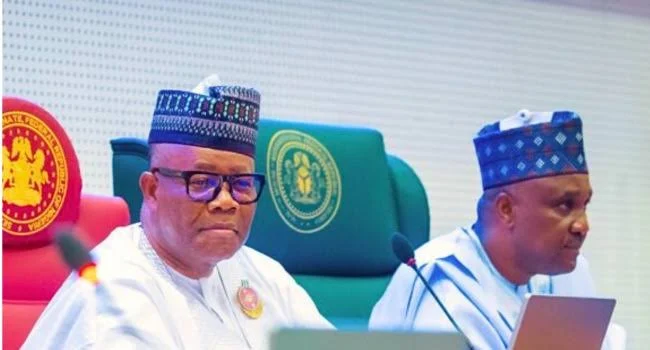
In a major fiscal reset aimed at addressing revenue shortfalls, weak capital execution, and overlapping budget cycles, the National Assembly on Tuesday approved a revised N43.5 trillion 2024 Appropriation Act and a reworked N48.3 trillion budget framework for 2025, with the implementation period extended to March 31, 2026. The approval followed extended plenary sessions in both chambers of the legislature, culminating in the passage of the Appropriation Act (Repeal and Re-enactment) Bills for the 2024 and 2025 fiscal years. The bills were transmitted to the National Assembly by President Bola Ahmed Tinubu. In the Senate, the revised budgets were adopted after the consideration of a consolidated report by the Committee on Appropriations, presented by its chairman, Senator Solomon Adeola. Lawmakers said the exercise was intended to realign Nigeria’s budget framework with prevailing fiscal realities, close implementation gaps, and restore discipline to the budgeting process. Presenting the report, Adeola explained that the legislation repealed earlier budget provisions and replaced them with revised figures reflecting revenue constraints, debt sustainability concerns, and emerging national priorities. He stated that the 2024 Appropriation Act was repealed from its original N35.01 trillion and re-enacted with an aggregate expenditure of N43.56 trillion. For the 2025 fiscal year, the earlier N54.99 trillion budget was repealed and replaced with a revised total expenditure of N48.32 trillion. Adeola noted that part of the capital allocation was deferred to the 2026 fiscal year due to funding limitations identified during the budget review process. He said extensive consultations between the legislature and the economic management team informed the decision to revise the budgets, particularly in response to concerns over revenue performance, debt exposure, and implementation capacity. As part of the adjustments, an additional N8.5 trillion was injected into the capital component of the 2024 budget to fund critical security, humanitarian, and economic interventions. For the 2025 budget, N6.67 trillion was removed from capital expenditure and deferred to 2026 to improve execution efficiency and align spending with anticipated revenue inflows. Adeola cautioned against the continued practice of running multiple budget cycles simultaneously, warning that it undermines fiscal discipline, transparency, and accountability. Based on these considerations, the committee recommended approval of the revised N43.5 trillion 2024 budget, the N48.3 trillion 2025 budget framework, and the extension of the 2025 budget implementation to March 31, 2026. The Senate subsequently passed the bills after debate. The House of Representatives also approved the revised budgets after adopting the report of its Committee on Appropriations, following clause-by-clause consideration at the Committee of Supply. The plenary session was presided over by the Speaker, Tajudeen Abbas. A breakdown of the revised 2024 budget shows allocations of N1.74 trillion for statutory transfers, N8.27 trillion for debt servicing, N11.26 trillion for recurrent (non-debt) expenditure, and N22.27 trillion for capital expenditure and development fund contributions. For the revised 2025 budget, N3.64 trillion was allocated to statutory transfers, N14.31 trillion to debt servicing, N13.58 trillion to recurrent (non-debt) expenditure, and N16.76 trillion to capital expenditure. The 2025 budget will remain in force until March 31, 2026. In his communication to the National Assembly, President Tinubu said the revisions were necessary to accommodate previously omitted items and align capital implementation targets with Nigeria’s revenue realities and execution capacity. He noted that persistent weaknesses in the implementation of the 2024 capital budget had constrained infrastructure delivery nationwide. The president explained that extending the 2025 budget timeline would allow Ministries, Departments, and Agencies sufficient time to access and utilise capital releases based on a more realistic 30 per cent implementation benchmark. He added that the revisions form part of a broader fiscal reform agenda aimed at correcting structural weaknesses in the budgeting process, improving planning, strengthening accountability, and delivering better value for public spending.

aa-13.jpeg

2min11120
Oyo State Governor, Seyi Makinde, has said he possesses the experience and credentials needed to lead Nigeria, amid growing speculation about his possible interest in the 2027 presidential election. The governor made the remarks on Tuesday during a media interaction with selected journalists in Ibadan, pointing to his years in public office and private-sector background as proof of his readiness. “Let me be clear: I am qualified to serve this country at the highest level in fact, I am more than qualified,” Makinde said. He noted that by May 2027, he would have completed two full terms as governor of Oyo State, drawing a comparison with the current president, whose path to office included serving two terms as governor of Lagos State. Makinde also highlighted his professional journey, explaining that he built and ran a company at a young age without relying on government patronage. According to him, he worked with major multinational oil firms such as Shell, ExxonMobil and Chevron. Despite his confidence in his credentials, the governor stressed that discussions about the 2027 presidential contest were premature. He further stated that Nigerians deserve a strong and competitive democratic system, expressing concern over the wave of defections by governors and prominent politicians to the ruling All Progressives Congress. Makinde questioned whether such political realignments had translated into improvements in the living conditions of citizens, noting that hardship and public frustration remain widespread.

aa-10.webp

3min9170
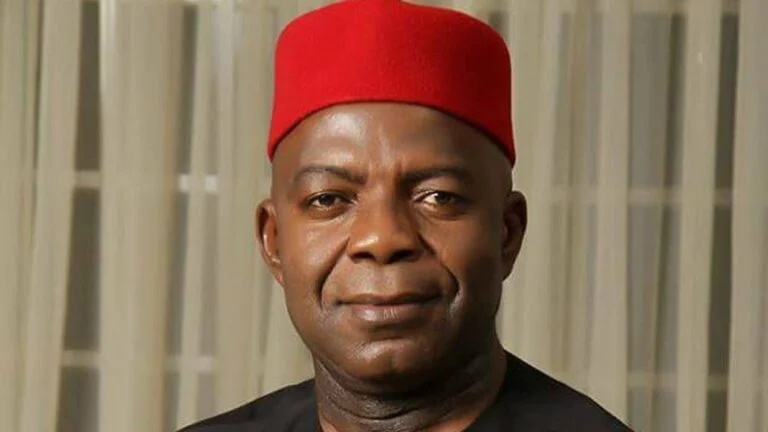
Abia State Governor, Alex Otti, has restored electricity supply to 33 communities in Ukwa West Local Government Area, bringing an end to nearly nine years of darkness in the oil-producing axis of the state. The power restoration was carried out by the Abia State Government through the Abia State Oil Producing Area Development Commission (ASOPADEC), under the supervision of the Ministry of Power and Public Utilities. The project fulfilled a commitment made by the governor to the affected communities in March 2025. Speaking at the power switch-on ceremony held on Monday at Central Primary School, Obehie, Governor Otti recalled his earlier pledge to restore electricity to the area. He also confirmed that Mr Promise Onwukwe, whose case he had promised to look into, had been reinstated. The governor urged residents to safeguard the electricity infrastructure, stressing that community ownership was key to preventing vandalism. “We have a duty to protect what belongs to our communities. Those who damage these facilities are not strangers; they come from within,” he said. Responding to concerns about high electricity bills, Otti directed relevant stakeholders to engage and explore ways of supporting residents who may struggle with payments. He tasked the mayor, lawmakers and commissioners to work out possible relief measures. The lawmaker representing Ukwa West State Constituency, Hon. Godwin Adiele, praised the governor’s performance, describing the intervention as impactful and assuring that the area would support him in future elections. Providing technical details, the Commissioner for Power and Public Utilities, Engr. Ikechukwu Monday, said the project involved the rehabilitation of 30 transformer substations, the installation of 12 new transformers, the restoration of 34 kilometres of high-tension lines and 3.5 kilometres of low-tension lines. He added that metering of benefiting communities was ongoing to ensure efficient billing. Chairman and Chief Executive Officer of Aba Power Limited, Prof. Bartholomew Nnaji, assured residents of reliable power supply, noting that Ukwa West falls within the nine local government areas served by Aba Power. He disclosed that 33 transformers and multiple distribution lines had been provided, with power generation coming from outside the national grid. He also appealed against vandalism and energy theft. Earlier, ASOPADEC General Manager, Rev. Joshua Onyeike, described the restoration of electricity to Asa land as a milestone, expressing gratitude to Governor Otti for fulfilling his promise. He said the return of power would usher in new opportunities for development across the communities. Several top government officials attended the event, including the Chief of Staff to the Governor, Pastor Caleb Ajagba; Commissioners for Environment and Information, Mr Philemon Ogbonna and Prince Okey Kanu; and former Secretary to the State Government, Pastor Ralph Egbu, among others.

Tech & Tools Desk23 December 2025
aa-12.jpeg

2min6830
The United Nations has voiced serious concern over the growing wave of abductions and attacks on civilians, particularly students, by armed groups in Nigeria. Speaking at a daily press briefing on Monday, the UN Secretary-General’s Spokesperson, Stéphane Dujarric, described the ongoing detention of civilians by bandits as unacceptable, noting that young people continue to bear the brunt of the violence. “We are deeply concerned that many students, young men and women are still being held by armed groups,” Dujarric said, adding that incidents of violence remain persistent. In November, gunmen abducted at least 25 students and killed a teacher during an attack on the Government Girls Comprehensive Secondary School in Maga, Kebbi State. This was followed by the abduction of over 300 pupils and teachers from St. Mary’s Catholic Primary and Secondary Schools in Niger State. While the Kebbi students were released after about a week in captivity, the Niger State incident saw dozens escape on their own. About 100 were freed after two weeks, with the remaining more than 130 students finally released on December 21, bringing their month-long ordeal to an end. Dujarric welcomed the release of the students and reaffirmed the UN’s commitment to working with the Nigerian government to tackle the crisis, particularly through initiatives such as the Safe Schools Programme. He also expressed concern over recent attacks on church worshippers in parts of Kogi and Kwara states, noting that several victims including infants, children and the elderly remain in captivity. The UN reiterated its pledge to continue collaborating with Nigerian authorities to address insecurity and protect civilians across the country.

James Obasi23 December 2025
aa-11.jpeg

2min9790
The Federal Inland Revenue Service (FIRS) has announced that starting in 2026, Nigeria’s National Identification Number (NIN) will automatically function as the Tax Identification Number (TIN) for individuals, while Corporate Affairs Commission (CAC) registration numbers will serve as the tax IDs for registered businesses. The clarification was made on Monday via a public awareness campaign on X, addressing concerns surrounding the newly introduced tax laws. Under the revised framework, individuals and companies will no longer be required to obtain separate TINs for tax-related transactions, including banking and business operations. According to the FIRS, the changes are anchored in the Nigeria Tax Administration Act (NTAA), which comes into effect in January 2026. While the law mandates the use of a Tax ID for specific transactions, the Service noted that this requirement has existed since the Finance Act of 2019 but has now been strengthened and streamlined. “The Tax ID harmonises all previously issued tax identification numbers by the FIRS and State Internal Revenue Services into a single identifier,” the agency said. “For individuals, the NIN serves as the Tax ID, while companies will use their CAC RC numbers. No physical card is required, as the Tax ID is a unique number directly linked to one’s identity.” The FIRS explained that the initiative is aimed at simplifying identification, reducing duplication, closing loopholes that enable tax evasion, and promoting fairness in the tax system by ensuring that all eligible income earners are captured. The agency also advised Nigerians to disregard misinformation about the reforms, assuring that the new tax framework is designed to enhance efficiency and transparency in tax administration. Meanwhile, the Chairman of the Presidential Committee on Fiscal Policy and Tax Reforms, Taiwo Oyedele, disclosed that from January 1, 2026, banks will be required to request a TIN from all taxable Nigerians as part of the federal government’s updated tax administration framework.

nigeria-textile-industry.jpg

5min4890
The Federal Government is considering modernising 50 per cent of Nigeria’s operational textile capacity with advanced machinery over the next five years as part of a broader sector revitalisation plan. The move comes amid rising textile imports, which reached N814.27bn in the first nine months of 2025, highlighting ongoing challenges in the local industry. The proposed upgrade forms part of wider internal plans to revive the sector, including tax incentives, the establishment of a national textile training institute, and single-digit interest rate loans for textile manufacturers. A December 2025 document from the Cotton, Textile and Garment Division of the Federal Ministry of Industry, Trade and Investment, titled “Annex I: Recommendations for the Revitalisation of the CTG Sector,” outlines actionable measures across five strategic areas: policy reform, infrastructure and energy solutions, investment incentives, skills development, and steps to curb smuggling while promoting local patronage. Under a proposed Textile Modernisation Fund, the government plans to establish a N500bn facility administered by the Bank of Industry to provide long-term loans of seven to 10 years, with a minimum two-year moratorium, at single-digit interest rates. The loans are intended to support the acquisition of modern machinery and equipment, with a target to modernise half of Nigeria’s operational textile capacity within five years. To address energy costs, the government is considering tax holidays or subsidies for mills that invest in renewable energy solutions such as solar, biomass, or waste-to-energy systems. The plan aims for 25 per cent of textile mills to transition to hybrid or renewable energy within three years. Additional incentives include corporate tax holidays ranging from five to seven years for new textile investments above a defined capital threshold, such as $10 million, particularly for companies sourcing at least 70 per cent of raw materials locally. The plan projects a 30 per cent increase in foreign direct investment in the sector within three years. The document also recommends a 100 per cent import duty and VAT waiver on industrial machinery, spare parts, and specialised chemicals not produced locally, which is expected to reduce start-up costs for new mills by 20 to 25 per cent. On workforce development, the government proposes the establishment or revamping of a National Textile Training Institute to focus on modern skills such as digital technology, industrial sewing, dyeing chemistry, and equipment maintenance. The initiative targets the training of 2,000 certified skilled textile workers and technicians annually after the first two years. Hamma Kwajaffa, Director-General of the Nigerian Textile Manufacturers Association, welcomed the proposals as a positive development. He noted that, if approved and implemented, the measures could significantly curb the rising trend of textile imports. He also highlighted the importance of continuous communication between the government and industry stakeholders to ensure timely execution. Kwajaffa praised the proposed Textile Modernisation Fund, stating that a government-administered, revolving fund at single-digit interest rates would be more sustainable than previous interventions, such as the N100bn fund introduced in 2009 through the Debt Management Office. He also endorsed the national textile institute, describing it as a “bankable initiative” that would directly benefit the industry through staff training and skills development. The government’s plan follows data showing Nigeria’s textile imports climbed to N814.27bn between January and September 2025. The surge reflected structural challenges including insecurity, weak cotton production, limited local polyester supply, poor access to affordable finance, and policy execution gaps. Kwajaffa noted that earlier policy incoherence had slowed progress, citing disagreements over whether a board or council should be established to drive textile reforms. He also highlighted the complexity caused by multiple boards and parastatals, which had contributed to delays in establishing a central coordinating agency for the sector.  

alpi.webp

6min3300
Africa Law Practice International Group (ALPi Group), a Pan-African corporate and commercial law firm, has launched a new office in Luanda, Angola, marking its first presence in a Lusophone African jurisdiction and a major milestone in its continental expansion strategy. ALPi Angola is strategically located in Maculusso, central Luanda, at Travessa Rodrigo de Miranda. The office was established from the ground up in partnership with leading Angolan lawyers, demonstrating the firm’s commitment to local expertise and regulatory compliance. The launch follows ALPi Group’s strong presence across Anglophone Africa and its successful expansion into the OHADA Francophone zone. The new office will operate as a full-service corporate and commercial law firm, offering services across cross-border trade, market entry advisory, and international transactions. Other core practice areas include banking and finance, oil and gas, mining, telecommunications and fintech, real estate and trust law, and legal advisory services for embassies, diplomatic missions, and foreign investors. Legal services in Angola will be provided by lawyers registered with the Ordem dos Advogados de Angola, in full compliance with local professional regulations, and supported by a network of consultants and sector experts from across ALPi Group. Commenting on the launch, ALPi Group Chairman and Co-Chairman of the Commonwealth Legal Network, Mr. Olasupo Shasore SAN, described the expansion as a deliberate strategic decision. “Our entry into Angola reflects ALPi Group’s long-term vision of building a truly Pan-African legal platform that mirrors Africa’s linguistic, legal, and commercial diversity,” Shasore said. He added that Angola occupies a central position in Africa’s energy, infrastructure, and trade landscape, and that establishing a locally grounded practice in Luanda will enable the Group to better support cross-border investment, regional integration, and Africa’s evolving role in the global economy. Also commenting, Ms. Nana Adjoa Hackman, Managing Partner of ALPi Ghana, said the move into Lusophone Africa completes a key step in the Group’s continental strategy. “With a strong presence across Anglophone Africa and the OHADA Francophone zone, Angola positions us at the intersection of Southern Africa, Lusophone markets, and global trade routes,” she said. Hackman added that the new office will strengthen ALPi’s capacity to advise investors, governments, and institutions operating across Africa under the African Continental Free Trade Area (AfCFTA) and within the wider Commonwealth and Global South. Welcoming ALPi’s entry, Mr. Mário Gomes of Grupo Simples, a leading Angolan oil and gas services company, said the firm’s presence is already creating opportunities. “Working with ALPi Angola in just a few weeks has opened our companies to opportunities in Angola and across the continent,” he said. “The depth and breadth of expertise within ALPi Group, combined with its strong presence in Anglophone Africa, is a major advantage for foreign companies seeking to operate in Angola and neighbouring countries.” ALPi Group stated that the decision to expand into Angola was informed by the country’s status as one of Africa’s largest economies, a leading energy and minerals hub, and a gateway connecting Southern, Central, and Lusophone Africa, with strong commercial ties to Europe, Brazil, and the wider Global South. As Angola continues to liberalise its economy, attract foreign investment, and deepen participation in regional trade under the AfCFTA, demand for sophisticated cross-border legal services with local expertise and continental reach is growing. The Angola launch follows recent continental recognition for ALPi Group. In 2025, ALP NG & Co, the Group’s Nigerian member firm, was named Pan-African Business Law Firm of the Year at the BusinessDay Legal Awards, reflecting the Group’s strength in business, corporate, and cross-border law. The firm’s practitioners were also ranked by IFLR1000 in 2025, highlighting ALPi’s consistent delivery of high-value legal services in energy, finance, and infrastructure. With Angola, ALPi Group now operates in Nigeria, Ghana, Kenya, Côte d’Ivoire, Tanzania, Uganda, Rwanda, South Sudan, Namibia, Mauritius, and Angola, and maintains a representative office in Guyana, further solidifying its position as a truly Pan-African legal services platform

10bdda71-060e-4c7a-90ec-a2ecf8510b59-1080x630-1.webp

2min9660
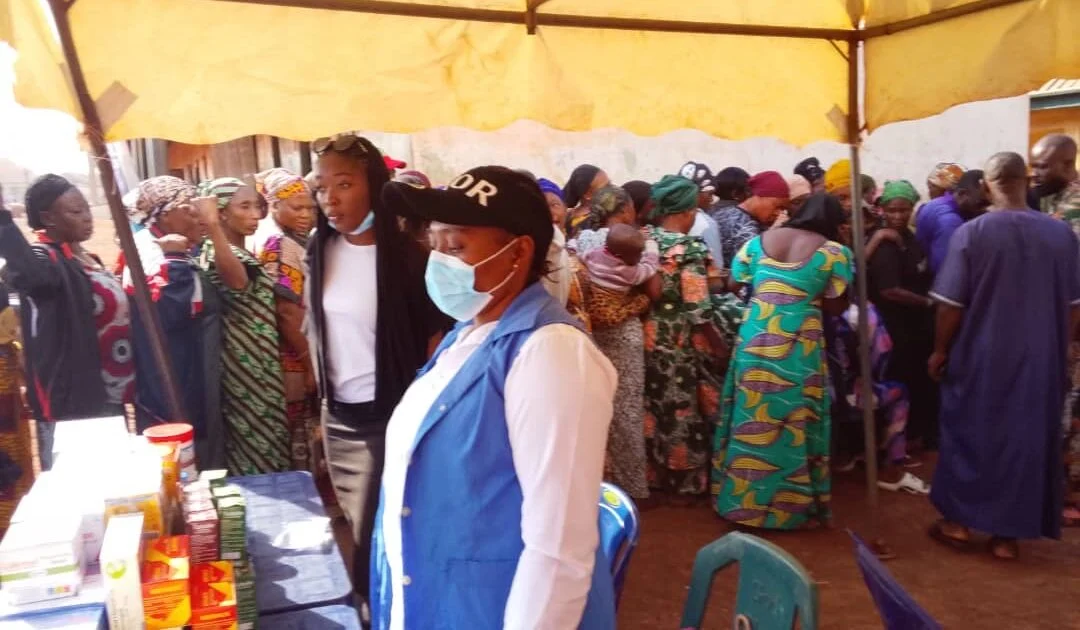
The Senior Pastor of Dunamis International Gospel Centre, Dr Paul Enenche, has urged individuals, faith-based organisations, and government bodies to step up humanitarian efforts. In a statement released by the church administration on Sunday, Enenche made the appeal during a free medical outreach conducted from December 15 to 19. The week-long initiative, held across four Idoma communities—Igumale, Iga Okpaya, Adoka, and Otukpo—provided healthcare services to over 7,000 residents in Benue State. Speaking on the final day, Enenche described the outreach as a call for collective responsibility, highlighting the importance of sustained support for underserved communities, particularly during festive periods. Quoting the late evangelist Dr Uma Ukpai, he said, “As you travel around the world, never forget your ancestral home. Coming to Idoma land every year is not ordinary but divine. This outreach is a reminder that compassion must translate into action, especially for those unable to afford basic healthcare.” Enenche stressed that faith-based organisations and well-meaning Nigerians should continue complementing government initiatives to bridge healthcare gaps in rural areas. The last day of the outreach, held at St Francis College, Otukpo, featured morning medical services and an evening crusade with worship, prayers, and testimonies. Food items and relief materials were also distributed to vulnerable residents. Residents from the host communities turned out in large numbers to access free consultations, treatments, and diagnostic services. Ailments treated included malaria, hypertension, diabetes, skin diseases, ulcers, and urinary tract infections. Laboratory services such as malaria parasite tests, Widal tests, and hepatitis B and C screenings were provided. Dental services included scaling, polishing, and extractions, while eye care services featured consultations and prescription of corrective glasses. The programme concluded with a midnight prayer session, where Enenche prayed for peace, healing, and restoration in Idoma land, while calling for continued collaboration to expand access to healthcare and humanitarian support across Benue State.  

fuel-Petrol-Pump-750x375-1.jpg

4min1460
The Independent Petroleum Marketers Association of Nigeria (IPMAN) has been urged to provide health insurance coverage for petrol station employees, including pump attendants, cleaners, security personnel, managers, and other staff across the downstream petroleum sector. The call comes after the Nigerian National Petroleum Company Limited (NNPCL) recently launched a health insurance scheme for workers at its retail outlets nationwide—a move praised by labour advocates as timely and commendable. In a statement released on Sunday in Kaduna, Ibrahim Zango, Convener of the Concerned Petrol Station Workers, said IPMAN should adopt a similar initiative to ensure the welfare and well-being of workers employed by independent marketers. Zango described the NNPCL programme as a benchmark that should be extended across the sector, stressing that the health of workers must be treated as a priority rather than an afterthought. He noted that petrol station employees face daily health and safety risks, including exposure to toxic fumes, fire hazards, and long working hours, making access to healthcare protection essential. “These workers deserve adequate protection, whether they are employed by NNPCL outlets or independent marketers. Their lives are equally important, and their contributions keep the sector operational,” Zango said. He emphasised that health insurance is not a luxury but a fundamental right, especially in an industry with high occupational risks. “Access to health insurance is a basic necessity that every worker is entitled to. Denying such coverage undermines their productivity and dignity,” he added. Zango also addressed the leadership structure of the Concerned Petrol Station Workers, clarifying that it was not formed through a formal election process but out of necessity to represent workers facing poor welfare conditions and lack of representation nationwide. “The circumstances compelled workers to organise and speak with one voice. However, this does not replace the need for properly structured leadership,” he said, highlighting the importance of organised leadership at local, state, and national levels to improve coordination, engagement with stakeholders, and service delivery in the sector. He further stressed that current economic hardship and rising healthcare costs have worsened the vulnerability of petrol station workers, many of whom earn modest wages. “Given the harsh economic conditions, workers cannot afford to wait indefinitely for relief. Healthcare costs are rising, and a single illness can wipe out a worker’s entire income,” Zango said. He therefore called on IPMAN to take immediate, concrete steps to provide health insurance coverage for its members nationwide, noting that proactive action would safeguard lives and ensure a stable, motivated workforce capable of sustaining operations in the downstream petroleum sector.  

Turkish-Airlines.avif

3min2780
Turkish Airlines has officially unveiled its first European lounge outside its İstanbul hub at Edinburgh Airport, offering travellers in Scotland a taste of the airline’s globally acclaimed hospitality and reinforcing Edinburgh’s role as a key international gateway. The new lounge, the airline’s eighth facility outside Türkiye, was inaugurated at a special event at Edinburgh International Airport in early December. The move reflects Turkish Airlines’ strategy of replicating its five-star İstanbul lounge experience in select global locations, ensuring passengers enjoy a premium and seamless journey. Covering 673 square metres and accommodating 149 guests, the Turkish Airlines Lounge at Edinburgh features a range of high-end amenities. These include an open buffet with Turkish pide served at lunch and dinner, a luxury relaxation area with televisions and Wi-Fi, and two prayer rooms. The facility also offers an accessible restroom for guests with reduced mobility, a baby care room, and flight information screens, highlighting the airline’s focus on comfort and inclusivity. At the opening, Turkish Airlines Chief Operations Officer M. Akif Konar described the lounge as a major milestone. “Our new Turkish Airlines Lounge at Edinburgh Airport is our first in Europe outside Türkiye and our eighth globally,” Konar said. “This investment underlines our strong commitment to European operations. We will continue to expand our presence and bring our award-winning hospitality closer to travellers here.” Stephanie Wear, Chief Commercial Officer at Edinburgh International Airport, welcomed the development, noting its value to the airport’s premium travel offerings. “The new Turkish Airlines Lounge adds a significant dimension to the passenger experience, providing a relaxing space with runway views, excellent food, and premium amenities while waiting for flights,” she said. Turkish Airlines currently operates ten weekly flights between Edinburgh and İstanbul, providing seamless connections to its global network spanning 356 destinations in 132 countries. The launch of the Edinburgh lounge forms part of the airline’s broader European strategy, aimed at delivering consistent, world-class service to key international markets.