Category: Refined Living

Tech & Tools Desk10 March 2026
zz-15.webp

6min4390
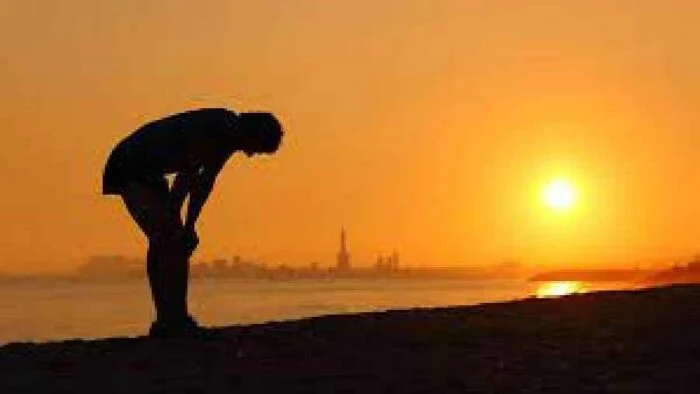
As Nigeria experiences an intense early-year heatwave, the Nigerian Meteorological Agency (NiMet) has warned that millions of residents may face extreme heat stress. With temperatures exceeding 40°C in several parts of the country and humidity levels worsening the discomfort, health experts are advising Nigerians to take precautionary measures to prevent heat-related illnesses. In an advisory released on Tuesday, March 10, NiMet described the current weather conditions as a serious health concern. States expected to face the most severe heat include Kebbi, Niger, Kwara, Oyo, Kogi, Nasarawa, Anambra, Abia, Ebonyi and Cross River, as well as the Federal Capital Territory. Other northern states such as Taraba, Adamawa, Plateau, Kaduna, Zamfara and Sokoto have also been placed on high alert. According to the agency, prolonged exposure to extreme heat could lead to dehydration, fatigue, headaches, thermal discomfort and reduced productivity. Vulnerable groups including pregnant women, children, the elderly and Muslims observing Ramadan are considered particularly at risk. Residents in affected areas have already begun adjusting their daily routines, with many choosing to remain indoors during peak sunshine hours. The combined effects of heat and humidity raise the heat index, making temperatures feel hotter and placing additional strain on the body’s natural cooling system. Tips to Stay Safe During the Heatwave Stay hydrated:Drink at least two to three litres of water daily, even if you do not feel thirsty, to replace fluids lost through sweating. Eat water-rich foods:Consume fruits such as watermelon, oranges, cucumbers and pineapple to help maintain hydration. Limit alcohol and caffeine, which can worsen dehydration. Avoid peak sunlight hours:Reduce outdoor activities between 11 a.m. and 4 p.m., when temperatures and sunlight are most intense. Dress appropriately:Wear light-coloured, loose-fitting cotton clothing that allows air circulation and reflects sunlight. Protect yourself outdoors:Use sunscreen and carry umbrellas, hats or sunglasses when stepping outside. Keep indoor spaces cool:Use fans or air conditioners where available. Keep curtains and windows closed during the day to block heat and open them at night to improve ventilation. Reduce strenuous activities:Avoid intense exercise or long outdoor walks during the heatwave. Outdoor workers are advised to take regular breaks in shaded areas. Cool your body regularly:Take cool showers or baths and place damp cloths on areas such as the neck or wrists to help lower body temperature. Look out for others:Do not leave children, elderly individuals or pets inside parked vehicles or poorly ventilated spaces. Regularly check on neighbours or relatives with underlying health conditions. Use oral rehydration solutions when necessary:In cases of excessive sweating, particularly among children, oral rehydration solutions may help restore lost electrolytes. Symptoms of Heat-Related Illness Heat Exhaustion:Heavy sweating, pale or clammy skin, dizziness, nausea, weakness and a rapid pulse. Heat Stroke (Medical Emergency):Extremely high body temperature above 40°C, confusion, hot and dry skin, breathing difficulties, seizures or loss of consciousness. When to Seek Medical Help Health authorities advise seeking immediate medical attention if someone experiences confusion, fainting, seizures, persistent vomiting, chest pain, difficulty breathing, or stops sweating despite feeling extremely hot. Experts say staying hydrated, seeking shade and reducing prolonged exposure to sunlight remain the most effective ways to stay safe as the country continues to face unusually high temperatures.

zz-14-1280x720.webp

4min9150
The United Nations has raised concerns that women worldwide still possess only 64 per cent of the legal rights available to men, warning that gender inequality remains one of the most pressing human rights challenges globally. This was highlighted by the UN Secretary-General, António Guterres, in an opinion article released on Tuesday to commemorate International Women’s Day and Women’s Month. Guterres outlined eight key actions aimed at strengthening women’s rights, drawing from his experience and the work of UN agencies and civil society organisations around the world. According to him, discriminatory laws and systemic barriers continue to prevent millions of women from accessing equal opportunities and justice. “Worldwide, women hold only 64 per cent of the legal rights enjoyed by men. In too many places, they cannot own property, work freely, or seek a divorce,” he stated. The UN chief added that even in countries where legal protections exist, women often face greater challenges in accessing courts and legal assistance. He called on governments worldwide to eliminate discriminatory laws and ensure that women’s rights are effectively enforced. Describing gender inequality as one of the most significant global issues, Guterres noted that advancing equality would help accelerate sustainable development and promote peace. “Gender inequality is the greatest human rights challenge of our time, and advancing equality is one of the strongest drivers of sustainable development and peace,” he said. He also pointed out that women remain significantly underrepresented in political and economic decision-making structures. “Women are grossly under-represented in governments and boardrooms across the globe,” he added. Guterres further stressed the importance of investing in women and girls, noting that increased spending on girls’ education, maternal health and family support systems yields substantial economic and social benefits. He also called for stronger measures to combat gender-based violence, greater participation of women in peace negotiations, and the removal of bias in emerging technologies. The UN chief emphasised that women must play a central role in climate action, noting that they are often among those most vulnerable to climate impacts. “A liveable planet demands gender-responsive climate policies and equal participation of women in environmental decision-making,” he said. Guterres urged governments, institutions and civil society to take practical steps to accelerate gender equality, stressing that closing the gender gap is essential for global progress. “If leaders get serious about gender equality and commit to these solutions now, we will change the world for women and girls, and for us all,” he said. He warned that male-dominated institutions continue to shape global power structures and that rising authoritarianism is worsening inequalities by rolling back protections related to fair labour practices, reproductive rights and other freedoms. Guterres concluded by emphasising that gender equality benefits entire societies, noting that when power is shared, freedom and opportunities expand for everyone.

zz-29.jpg

5min5280
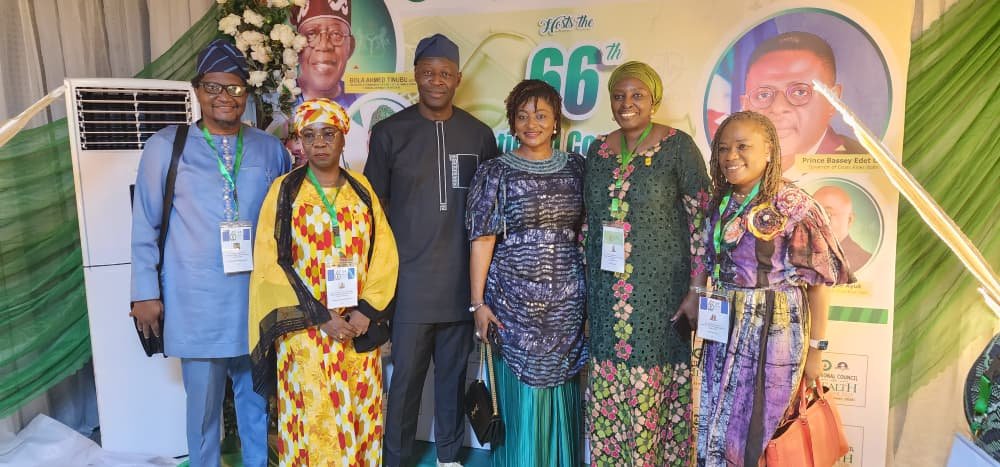
The Federal Government has emphasised that innovation and stronger collaboration between the public and private sectors are essential to achieving universal health coverage for Nigerians. This was highlighted at the 2026 Annual Conference of the Healthcare Federation of Nigeria held in Lagos, with the theme “Transforming Healthcare: Leveraging Private Sector Innovation to Achieve Quality Outcomes and Universal Health Coverage.” According to a statement issued by HFN on Sunday, the Minister of State for Health and Social Welfare, Iziaq Salako, represented by the Chief Medical Director of the Federal Medical Centre Ebute-Metta, Saheed Ogunme, said innovation and collaboration are vital to transforming Nigeria’s healthcare system. Ogunme noted that the conference theme reflects both the challenges and opportunities facing the country’s health sector, stressing that transformation requires practical action rather than theoretical plans. He pointed out that Nigeria’s population, estimated at over 220 million people, continues to place increasing pressure on the healthcare system. Despite some improvements, the country still faces major challenges, particularly in maternal and child health. According to him, Nigeria accounts for a significant share of global maternal deaths, with nearly one in five maternal fatalities worldwide occurring in the country. “These figures represent real lives mothers, children and families whose potential contributions to national development have been lost,” he said. Ogunme also highlighted the heavy financial burden many Nigerians face when seeking healthcare, noting that out-of-pocket payments still account for more than 70 per cent of total healthcare spending. He warned that millions of citizens remain vulnerable to catastrophic health expenses that can push families into poverty, stressing that urgent reforms are needed. Between 2026 and 2030, he said the Federal Government plans to prioritise improving healthcare quality, strengthening emergency medical services, expanding health insurance coverage and promoting deeper public–private partnerships. He added that the government is also working to boost local pharmaceutical production through the Presidential Initiative for Unlocking the Healthcare Value Chain, which aims to reduce the country’s reliance on imported medicines and expand domestic manufacturing by 2030. Speaking at the conference, the Lagos State Commissioner for Health, Akin Abayomi, said the state is positioning itself as a regional healthcare hub for Nigeria and the wider West African region. He noted that growing interest from medical professionals abroad suggests increasing confidence in Lagos’ healthcare sector. According to him, many healthcare experts are exploring opportunities to return to Nigeria and participate in the sector’s growth, with several inquiries coming from professionals seeking ways to contribute to developments in Lagos. However, Abayomi acknowledged that the state faces a major shortage of healthcare workers. He said Lagos currently has about 7,000 doctors, far below the estimated 30,000 required to adequately meet the needs of its expanding population. Also speaking, the President of the Healthcare Federation of Nigeria, Njide Ndili, said the private sector remains committed to supporting government efforts to strengthen the country’s healthcare system through research-based investments and policy engagement. She disclosed that the federation partnered with the Nigerian Economic Summit Group to conduct a nationwide survey aimed at identifying key areas where private sector investments could support national health priorities. Ndili explained that the study provides data-driven insights that can guide both investment decisions and policy development within the sector. Meanwhile, nephrologist and healthcare entrepreneur Richardson Ajayi said weak regulation of healthcare facilities remains a major obstacle to achieving universal health coverage in Nigeria. Ajayi explained that poor regulatory oversight often undermines public trust in the healthcare system and discourages both patients and investors. He added that stronger regulatory frameworks, supported by digital infrastructure, could help improve transparency and standards across the sector. According to him, the adoption of technology-driven monitoring systems could allow hospitals to upload facility data while enabling artificial intelligence tools to support inspections and compliance checks, thereby strengthening accountability in the healthcare industry.

zz-28.jpg

2min8230
Babajide Sanwo-Olu has said the installation of new streetlights and the replacement of defective fittings along major roads and highways in Lagos State are part of efforts to improve security and ease movement across the state. In a post shared on his Facebook page on Sunday, the governor explained that the initiative forms part of the government’s Light-Up Lagos project, which he noted has been making steady progress. Sanwo-Olu stated that government teams recently carried out installation and maintenance works in several areas across the state, covering locations on both the Mainland and the Island. According to him, the project is designed to enhance visibility and safety along major routes, especially for residents travelling late at night or leaving home early in the morning. “We have been recording steady progress with the Light-Up Lagos project. Our teams have been installing streetlights and replacing old, unreliable fittings along major roads and highways across the state,” he said, adding that residents may have noticed the work taking place in different parts of Lagos. He further explained that improved lighting would help residents move around more safely while also strengthening security along key transport corridors. The governor added that the installation and replacement of streetlights will continue, with plans to extend the project to more communities across the state. He emphasised that adequate street lighting plays an important role in improving road safety and security, whether residents are returning home late from work or beginning their day before dawn.

zz-13-1280x870.webp

6min7420
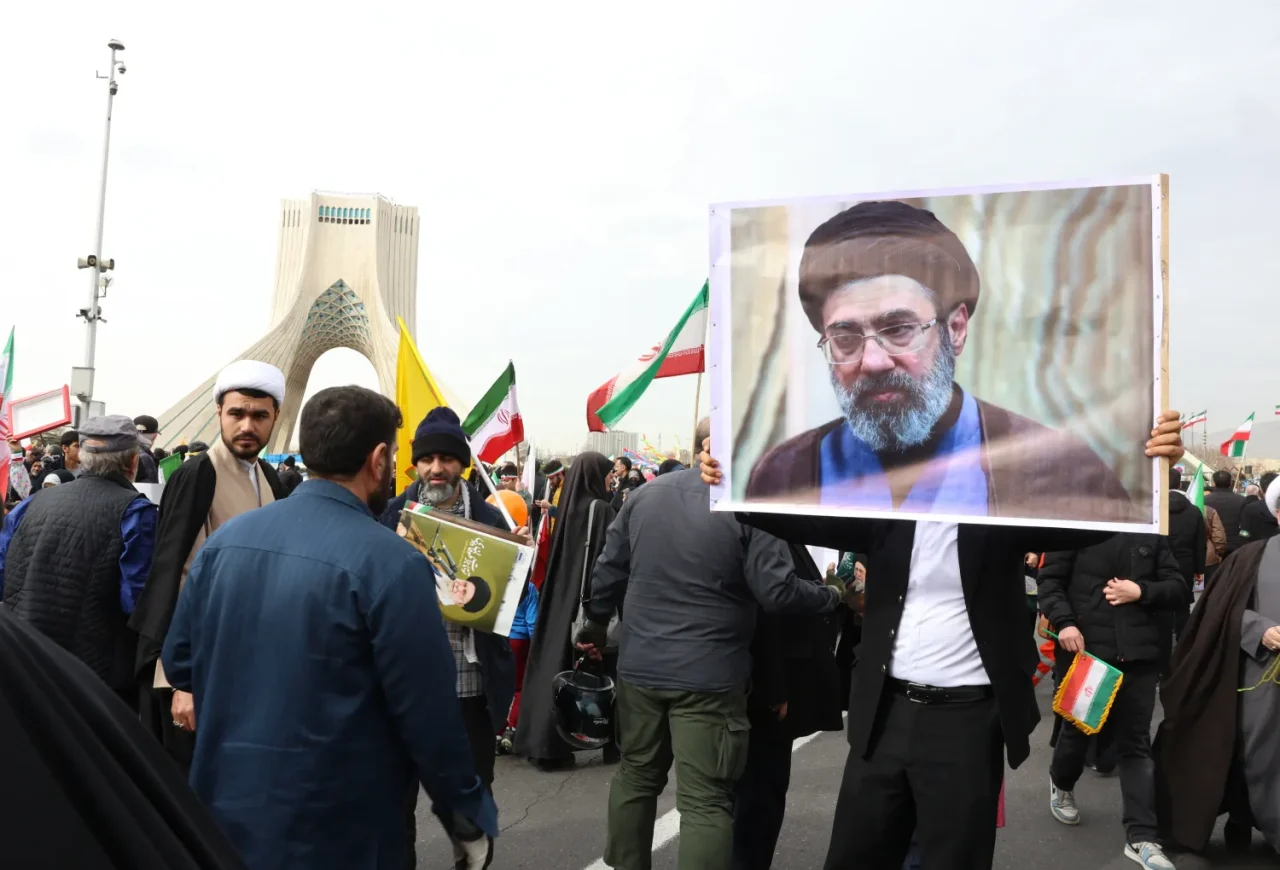
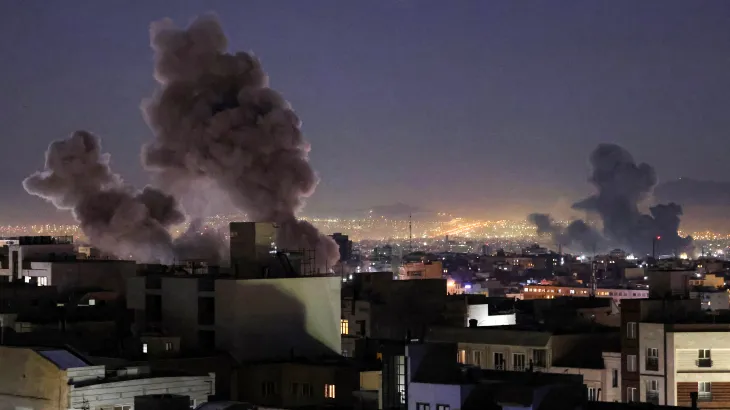
Iran launched missiles toward Israel and several Gulf nations early Monday after the Islamic Republic appointed Mojtaba Khamenei as its new supreme leader, succeeding his late father, Ali Khamenei. The development came despite warnings from the United States and Israel that any successor could also become a target. Nine days after joint US-Israeli strikes killed Ali Khamenei and pushed the Middle East into a wider conflict, Iranian clerics selected the country’s third supreme leader since the 1979 Islamic Revolution. Israel responded with another round of strikes, this time targeting infrastructure in central Iran. The escalating conflict triggered sharp reactions in global markets, with stock prices falling and oil prices surging by about 30 percent over fears of supply disruptions. Saudi Arabia said it intercepted drones heading toward an eastern oil facility, while the United Arab Emirates and Kuwait reported missile incidents. Bahrain also confirmed that warning sirens had been activated. The appointment of Mojtaba Khamenei was announced on Iranian state television, where a presenter read a statement from the Assembly of Experts beside an image of the 56-year-old cleric. According to the statement, Khamenei was selected as the third leader of the Islamic Republic following a decisive vote by members of the Assembly. The body said it acted quickly to appoint a new leader despite what it described as aggression from the United States and Israel. State media later aired footage of a missile reportedly launched toward Israel bearing the slogan “At Your Command, Sayyid Mojtaba,” using an Islamic honorific. The conflict erupted weeks after Iranian security forces suppressed nationwide protests against the government. The younger Khamenei is widely viewed as a hardliner expected to maintain his father’s strict stance against dissent. Earlier, former US president Donald Trump had dismissed Mojtaba Khamenei as a “lightweight” and reiterated that Washington should have influence over the choice of Iran’s next leader. “If he doesn’t get approval from us, he’s not going to last long,” Trump told ABC News before the appointment was announced. Israel’s defence minister had previously warned that any new Iranian supreme leader could become a military target, while the Israeli military said it would pursue any successor. Oil prices surge As Iran retaliated against Gulf states hosting US forces, global oil markets reacted sharply. The benchmark prices for Brent crude and WTI crude climbed above $100 per barrel for the first time since 2022 Russian invasion of Ukraine. Trump downplayed the price spike, describing it as a “small price to pay” for addressing what he called the threat posed by Iran’s nuclear programme. However, markets in Asia reacted negatively, with stock exchanges in Japan and South Korea falling sharply as both economies rely heavily on imported energy. The United States Department of State also ordered non-essential embassy staff and their families to leave Saudi Arabia following security concerns, days after a drone strike hit the US embassy. Trump later told an Israeli news outlet that any decision to end the conflict would be made jointly with Israeli Prime Minister Benjamin Netanyahu, although Washington would ultimately make the final call. Few analysts expect major policy shifts under Mojtaba Khamenei, who is seen as closely aligned with the powerful Islamic Revolutionary Guard Corps. The Guards quickly pledged loyalty to the new leader, promising obedience and sacrifice in carrying out his directives. Iran’s foreign minister, Abbas Araghchi, said the appointment would safeguard the country’s sovereignty and territorial integrity, as diplomats expressed their allegiance to the new leader. Intensifying clashes The conflict has also escalated in Lebanon, where the Iran-backed militant group Hezbollah said it was confronting Israeli forces who landed in eastern Lebanon by helicopter from Syria. Lebanon became directly involved in the conflict last week after Hezbollah launched attacks on Israel following the death of Ali Khamenei. Hezbollah said its fighters were engaging the helicopters and the troops that crossed the border, adding that the confrontation was ongoing. Lebanon’s National News Agency earlier reported intense fighting near the town of Nabi Sheet, where an Israeli operation over the weekend left 41 people dead. Israeli forces had also struck a hotel in central Beirut on Sunday, targeting commanders from the Revolutionary Guards’ external operations unit, the Quds Force, during a meeting. Lebanon’s health ministry said the strike killed four people and injured 10 others. Since the conflict began, Israeli attacks in Lebanon have reportedly killed at least 394 people, including dozens of women and children. Elsewhere, Bahrain’s health ministry said 32 people were injured after an Iranian drone strike hit the island of Sitra overnight, including a teenage girl with serious head injuries and a two-month-old baby. Saudi authorities also reported that two people were killed and 12 wounded when a projectile struck Al-Kharj. Iran’s health ministry said the conflict has killed at least 1,200 civilians and injured about 10,000 people, although the figures could not be independently verified. In Israel, officials say Iranian missile strikes have killed 10 people. Two Israeli soldiers were also killed during fighting in Lebanon, according to the military.

zz-12.webp

5min7070
Bahrain oil facility declares force majeure An Iranian strike targeting Bahrain’s extensive Al Ma’ameer oil complex triggered a fire and caused material damage, according to state media reports. Following repeated Iranian attacks on the country’s energy infrastructure, the state-owned Bapco Energies declared force majeure. Saudi Arabia intercepts drone attack Saudi Arabia’s defence ministry announced it had successfully intercepted a drone aimed at the Shaybah Oil Field in the eastern part of the kingdom near the UAE border. Meanwhile, the Saudi foreign ministry strongly condemned Iran’s retaliatory strikes, describing them as unacceptable. Human Rights Watch accuses Israel of using white phosphorus Human Rights Watch alleged that Israel used white phosphorus over residential areas of the southern Lebanese town of Yohmor last week. White phosphorus ignites when exposed to oxygen and can act as an incendiary weapon, potentially causing severe burns, fires, respiratory damage, organ failure, and death. Drone attack injures civilians in Bahrain Bahrain’s health ministry reported that 32 civilians were injured after an Iranian drone strike hit the island of Sitra overnight. All those wounded were Bahraini nationals. Israel and Iran exchange attacks Iran launched its first missile strikes toward Israel following the appointment of a new supreme leader, according to state broadcaster Islamic Republic of Iran Broadcasting. Israeli emergency responders said one woman was injured. In response, the Israel Defense Forces said it conducted a fresh round of airstrikes targeting government infrastructure in central Iran, including internal security command centres and missile launch facilities. Explosions reported across Gulf region Multiple explosions were reported in Doha, according to journalists on the ground. Authorities in Qatar, Saudi Arabia, United Arab Emirates and Kuwait also confirmed new attacks. Trump says ending war requires joint decision with Israel Donald Trump said in an interview that any decision to end the conflict would be taken jointly with Benjamin Netanyahu, though he noted that Washington would ultimately have the final say. Mojtaba Khamenei named Iran’s new leader Mojtaba Khamenei, the 56-year-old son of Iran’s late leader Ali Khamenei, has been chosen by the Assembly of Experts to succeed his father. The Islamic Revolutionary Guard Corps quickly pledged loyalty to the new leader, while senior official Ali Larijani described the selection as lawful. Earlier, Trump told ABC News that any new Iranian leader lacking US approval “would not last long.” Clashes in eastern Lebanon and strike on Beirut The Iran-backed militant group Hezbollah said it was confronting Israeli forces that crossed into eastern Lebanon overnight by helicopter from Syria. Meanwhile, Israeli forces reported carrying out airstrikes on targets linked to Hezbollah in Beirut early Monday. US orders partial embassy evacuation in Saudi Arabia The United States Department of State ordered non-essential government staff and their families to leave Saudi Arabia because of increasing security risks. Oil prices surge past $100 per barrel Global oil benchmarks WTI crude and Brent crude rose more than 30 percent, climbing above $100 per barrel amid fears that the war could disrupt oil supply for an extended period. Trump downplayed the surge on social media, calling it “a very small price to pay” for addressing Iran’s nuclear threat. Asian markets fall sharply Stock markets in South Korea and Japan dropped significantly in early Monday trading after oil prices crossed the $100-per-barrel mark for the first time in nearly four years. Seventh US service member killed The US military confirmed its seventh combat fatality since the conflict began after a service member died from injuries sustained during an attack in Saudi Arabia during Iran’s first wave of retaliatory strikes. Six other American personnel were earlier killed in a drone strike on their base in Kuwait.

Tech & Tools Desk9 March 2026
zz-1-1280x720.png

1min10130
China on Monday described Iran’s decision to appoint Mojtaba Khamenei as the country’s new supreme leader following the killing of his father, Ali Khamenei, as an internal matter, while stressing its opposition to any attempt to target him. The Israel Defense Forces had earlier warned that it could target any successor to the former Iranian leader, who was killed more than a week ago during the first wave of strikes carried out by the United States and Israel against Iran. Speaking on Monday, Chinese Foreign Ministry spokesman Guo Jiakun told reporters that Iran’s decision to appoint Mojtaba Khamenei was made in accordance with its constitution. He added that China opposes interference in the internal affairs of other nations under any pretext and emphasised that Iran’s sovereignty, security and territorial integrity must be respected. Meanwhile, Israel and the United States have continued their military strikes against Iran in recent days. Tehran has responded by launching waves of missile and drone attacks targeting Israel and several Gulf states hosting American military forces.

zz-11-1280x544.webp

6min6070
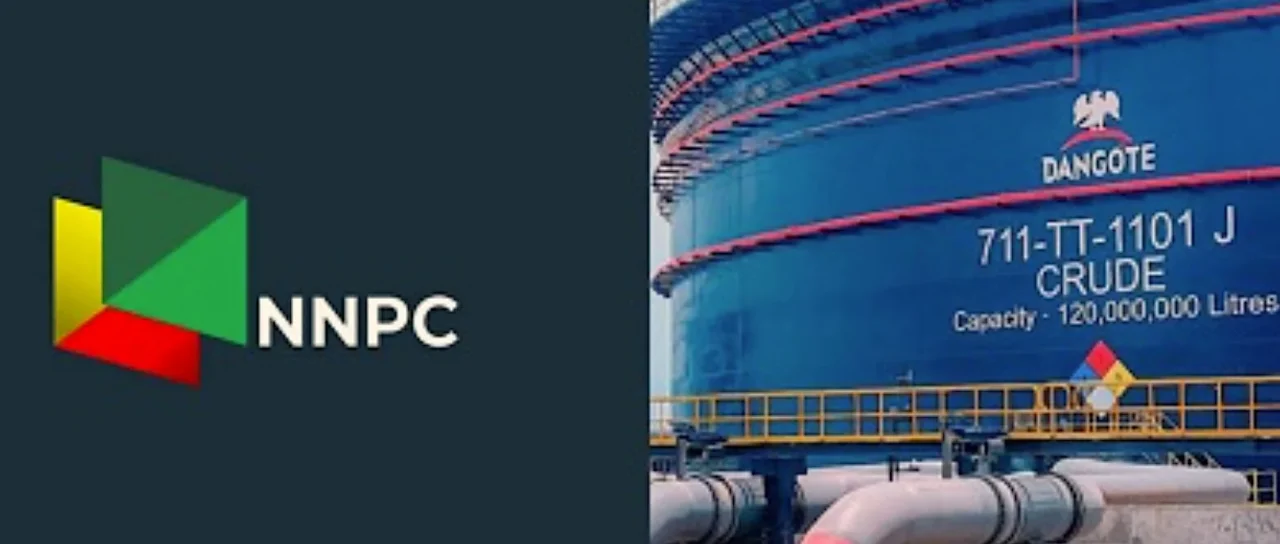
The Federal Government, through the Nigerian National Petroleum Company Limited, has begun efforts to secure crude oil for the Dangote Petroleum Refinery by sourcing supplies from third-party international traders to support domestic refining operations. However, officials noted that the move may not immediately lead to a drop in petrol prices. Nigerians are currently dealing with high fuel costs following recent price increases introduced by the $20bn Lekki-based refinery. Industry operators confirmed that the refinery recently suspended the loading of Premium Motor Spirit, a development that has sparked speculation about a possible fresh increase in fuel prices. If implemented, it would represent the third adjustment in petrol prices within a week. Gantry prices have already risen from N774 to N995 per litre, pushing pump prices above N1,000 per litre in many states. In some areas, petrol is now sold for around N1,200 per litre, adding to the financial strain on consumers. Market data also highlights changing crude sourcing patterns. Analytics firm Kpler reported that Nigeria’s crude imports from the United States climbed to 41.13 million barrels in 2025, representing a 161 per cent increase from 15.79 million barrels in 2024. Amid the rising fuel costs, motorists and businesses are preparing for potential increases in transport fares and the prices of goods. The refinery’s temporary halt in petrol loading the second in a week underscores the logistical challenges of maintaining domestic supply, especially amid volatility in global crude markets. Analysts say stable petrol prices depend largely on consistent crude supply to local refineries. One major factor affecting supply is the ongoing geopolitical tension in the Middle East, particularly the Iran–United States tensions, which has disrupted oil supply chains and pushed Brent crude prices above $92 per barrel. The situation has been worsened by tensions around the Strait of Hormuz, a crucial energy corridor through which a large share of global oil shipments passes. Industry sources said NNPC is now leveraging its international crude trading network to obtain third-party supplies for the Dangote refinery at competitive global market rates in order to sustain operations. Despite this, refinery sources indicated that sourcing crude from international markets may not immediately lower petrol prices, as the Middle East crisis is affecting global energy prices, including crude oil and liquefied natural gas. The refinery also pointed to limitations in domestic crude supply. It reportedly receives about five cargoes of crude each month from NNPC under the naira-for-crude arrangement, which is significantly lower than the 13 cargoes required to meet its production targets. As a result, it relies partly on imported crude purchased at international prices. Industry stakeholders believe that increased domestic refining capacity could help moderate petrol prices over time. However, they warn that global market conditions, import costs and supply limitations remain key factors influencing pricing. Experts also highlighted the impact of restricted import licences on market competition. According to industry observers, most marketers who applied for petrol import permits this year were not granted approval, a move aimed at encouraging local refining. Analysts say a balanced approach that allows limited imports while boosting local refining could strengthen energy security and stabilise prices. Despite the challenges, observers note that the presence of the Dangote refinery has helped prevent even sharper price increases. Without it, some analysts believe petrol prices in Nigeria could have climbed as high as N1,500 per litre amid current global energy market pressures. Recent data further shows Nigeria’s growing reliance on foreign crude for refining. In July 2025, the Dangote refinery reportedly imported about 590,000 barrels of crude per day, with around 60 per cent sourced from US light sweet crude and 40 per cent from Nigerian grades marking the first time imported crude exceeded domestic supply for the refinery. Meanwhile, figures from the Nigerian Upstream Petroleum Regulatory Commission indicate that local refiners received 67.66 million barrels of crude between January and August 2025, far below the 123.48 million barrels requested. Industry observers say this shortfall highlights the ongoing gap between refinery demand and available domestic crude supply. Petrol currently sells for between N1,030 and N1,100 per litre in major cities, forcing transport operators to increase fares and raising concerns about broader inflationary pressures across the economy. At the same time, the Dangote refinery has expanded its network of petroleum marketers and distribution partners to ensure steady product lifting nationwide. The list has grown from 13 companies to more than 30. Among the approved distributors are NIPCO Plc, MRS Oil Nigeria Plc, TotalEnergies Marketing Nigeria Plc and Conoil Plc, among others, as the refinery works to maintain supply despite ongoing market challenges

Tech & Tools Desk8 March 2026
zz-25.jpg

5min6080
Israeli airstrikes across Lebanon have killed at least 394 people over the past week, including 83 children and 42 women, the country’s health minister said on Sunday, as Israel expanded its attacks to a hotel in central Beirut. Lebanon was drawn into the escalating Middle East conflict on Monday after the Iran-backed militant group Hezbollah launched attacks on Israel. The strikes were carried out in response to the killing of Iran’s supreme leader, Ayatollah Ali Khamenei, during a U.S.–Israeli military campaign against Iran. Lebanon’s Health Minister, Rakan Nassereddine, said during a press conference that nine rescue workers were among those killed. He condemned what he described as attacks on civilians, medical teams, and ambulances. “These are civilians being targeted, not, as they claim, military personnel and military installations. They are targeting homes, paramedics and the health sector,” Nassereddine said, adding that “the pace of the massacres has increased in the past 48 hours.” A previous casualty figure released on Saturday had placed the death toll at 294. Israel has continued its strikes against Hezbollah despite a 2024 ceasefire aimed at ending a previous round of fighting that began in 2023 when the group attacked Israel in support of its Palestinian ally Hamas in Gaza. Following Hezbollah’s latest attacks on Monday, Israeli forces have launched several waves of airstrikes across Lebanon and deployed ground troops to areas near the border. Early Sunday, Lebanon’s health ministry said an Israeli airstrike struck a hotel room in central Beirut, killing four people and injuring 10 others. Israel’s military said it had carried out a “precise strike” targeting senior commanders of the Islamic Revolutionary Guard Corps’s Quds Force, which oversees Iran’s foreign military operations. In the southern town of Ghazieh, an Israeli attack destroyed a building, with solar panels seen scattered across the rubble as rescue workers searched for survivors. Another strike in the village of Sir al-Gharbiyeh killed at least 11 people on Sunday morning, according to Lebanon’s health ministry. The minister said the victims included children and warned that several people were still trapped under the debris. A resident, Ali Youssef Taha, told AFP that a family had been asleep inside the building when Israeli warplanes struck, describing the incident as a “massacre.” The town’s mayor, Saadallah Mohammed Maatouk, said about 500 families were sheltering in the area but vowed that the community would remain resilient. “What happened will not deter us, and we remain steadfast,” he said. Meanwhile, the Israeli military renewed its warning for residents living south of Lebanon’s Litani River, roughly 30 kilometres from the Israeli border, to evacuate the area. Israel also reported that two of its soldiers were killed during combat in southern Lebanon the first Israeli troop fatalities since the latest offensive began on March 2. AFP

zz-10-1280x853.webp

3min4620
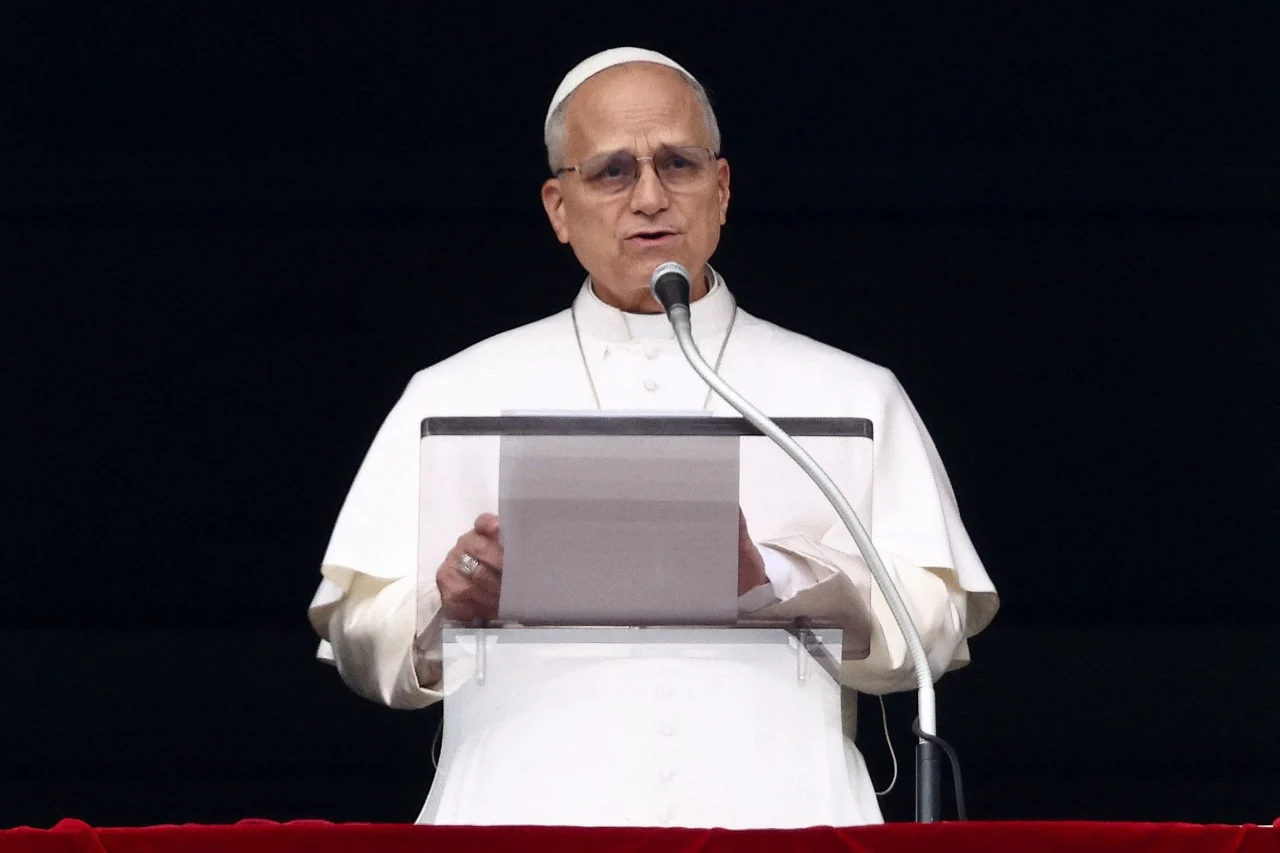
Pope Leo XIV has voiced deep concern over the escalating conflict involving Iran, warning that the violence could spread further across the Middle East and urging an immediate halt to hostilities. Speaking during the Angelus prayer at St. Peter’s Square on Sunday, the pontiff described reports emerging from Iran and the wider region as “disturbing” as the fighting entered its ninth day following U.S. and Israeli strikes on Iranian targets. According to Reuters, the pope cautioned that the crisis could destabilise more countries in the region. “Alongside episodes of violence and devastation, there is growing concern that the conflict could spread and that other countries, including Lebanon, could once again sink into instability,” he said. The pope called for urgent efforts to end the fighting and create room for peaceful dialogue. “Let us raise our humble prayer to the Lord that the roar of bombs may cease, that weapons may fall silent, and that space may be opened for dialogue in which the voices of peoples can be heard,” he added. His remarks come amid rising global concern over the military campaign carried out by the United States and Israel against Iran. Earlier in the week, the Holy See’s top diplomat also criticised the strikes, warning that such actions undermine international law and stressing that no nation has the right to launch what he described as “preventive wars.”