
Category: Refined Living

James Obasi12 March 2026
zz-16.webp

4min2720
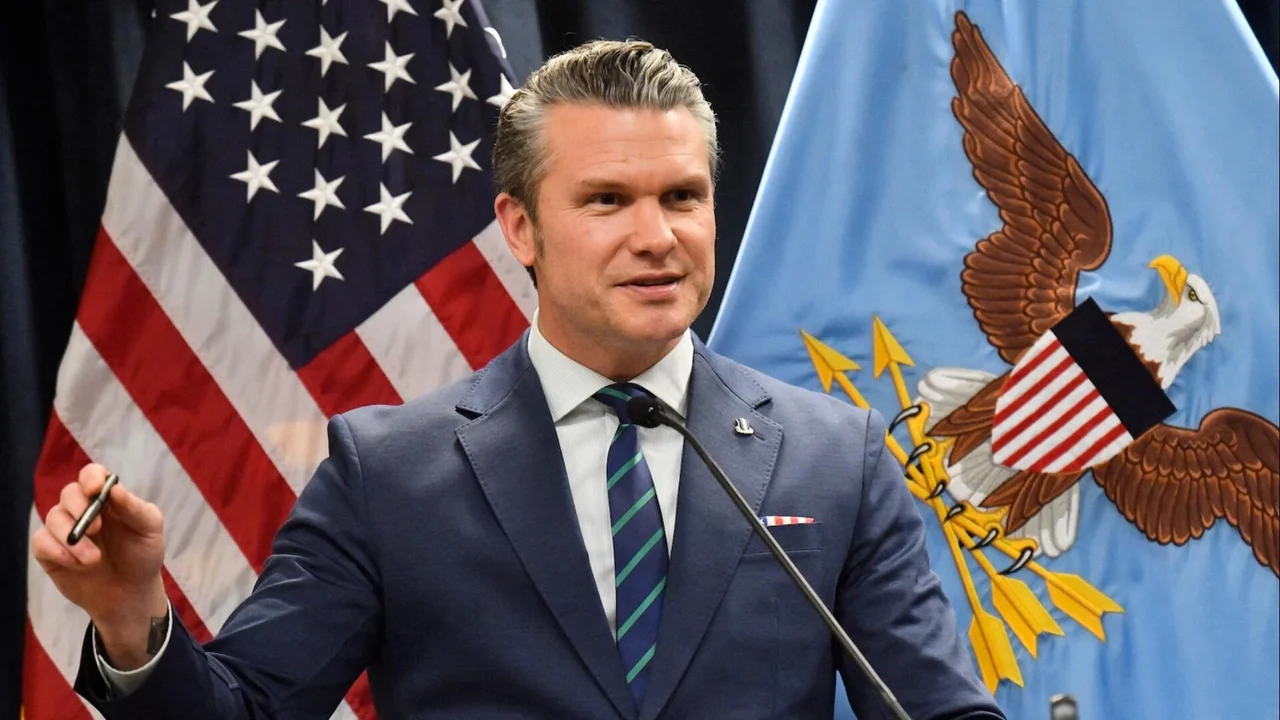
US Senate Democrats have written to Defence Secretary Pete Hegseth seeking answers over a strike on a primary school in Iran that Iranian officials say killed 168 people, including roughly 110 children. Reports indicate that US military investigators believe American forces may have unintentionally hit the school at the start of a joint US-Israeli operation, though no final conclusion has been reached. The Pentagon said it will respond directly to the senators, as it does with all congressional correspondence. The letter, signed by nearly all Senate Democrats, raises detailed questions about the incident in Minab, including whether the US carried out the strike and whether outdated or faulty target analysis could have contributed to the school being hit. It also references Hegseth’s recent comments about avoiding “stupid rules of engagement,” asking if proper procedures to prevent potential war crimes were followed. If US involvement is confirmed, the strike would represent one of the deadliest cases of civilian casualties in decades of American military action in the Middle East. Senator Gary Peters, a member of the Armed Services Committee and one of the letter’s signatories, described the incident as “a horrific tragedy” and called for a thorough investigation. The episode underscores growing partisan divides over the war, with no Republican senators signing the letter. Only one Democrat, John Fetterman, did not sign; he has supported the military action but endorsed an investigation into the school strike. According to reports from US media outlets, a preliminary assessment suggests the US was “likely” responsible, though the school was not intentionally targeted. Faulty or outdated intelligence may have led to the area being incorrectly identified as a military site. Former President Donald Trump, without citing evidence, has suggested Iran might have carried out the attack. Asked recently about the matter, he said he did not know enough but was willing to accept the findings of the ongoing military investigation. Expert analysis of video footage shows a Tomahawk missile exclusively used by the US striking a nearby Islamic Revolutionary Guard Corps (IRGC) base. Analysts say the presence of the Tomahawk, combined with multiple strikes, points to US involvement. Iran has blamed both the US and Israel, while Israel maintains it was unaware of any operations in the area. Since the US-Israeli operation began on February 28, civilian sites including hospitals and historic landmarks have suffered significant damage, with reports of growing civilian casualties. In response, Iran has launched attacks on Israel and US-allied states in the Gulf, including strikes on non-military targets such as energy facilities. Meanwhile, former CIA Director and US Central Command leader General David Petraeus said the US “tragically, were probably the ones” responsible, noting that Tomahawk missiles were the only type used in the exercise and that old intelligence may have mistakenly identified the school as part of an Iranian naval compound.

zz-4.avif

5min13050
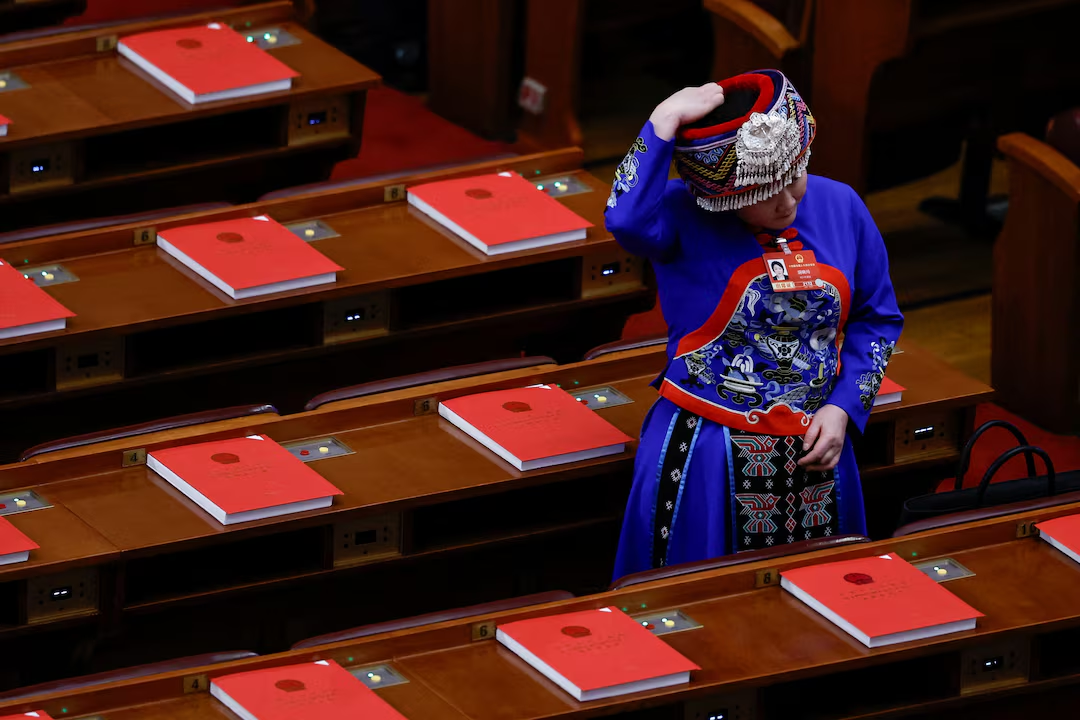
China has approved a far-reaching new law aimed at promoting what authorities describe as “ethnic unity,” a move that critics warn could further weaken the cultural and linguistic rights of minority groups. The legislation seeks to strengthen integration among China’s 56 officially recognised ethnic groups, the majority of which are dominated by the Han Chinese population. While the policy focuses on areas such as education and housing, critics argue that it may limit the ability of minority communities to preserve their languages and cultural traditions. Under the new law, children will be required to learn Mandarin from before kindergarten through the end of high school. In the past, many students in minority regions were able to study most subjects in their native languages, including Tibetan, Uyghur, or Mongolian. The measure was approved on Thursday at the National People’s Congress in Beijing, as the country’s annual parliamentary session concluded. Scholars and analysts say the policy reflects a broader shift in government strategy toward reducing ethnic diversity in favour of stronger national integration. Some academics argue that the approach may isolate younger generations from their traditional languages and cultural heritage. Chinese authorities, however, say promoting Mandarin will improve employment opportunities and social mobility for minority communities. Officials also describe the law on “Promoting Ethnic Unity and Progress” as essential to advancing modernisation and strengthening national cohesion. The legislation also allows authorities to take action against parents or guardians accused of promoting ideas considered harmful to ethnic harmony. In addition, it encourages the creation of “mutually embedded community environments,” a concept that some analysts believe could lead to the restructuring of neighbourhoods largely populated by minority groups. China began emphasising what it calls the “sinicisation” of minority communities in the late 2000s as part of efforts to build a stronger national identity centred on integration with the dominant Han culture. Han Chinese account for more than 90 per cent of the country’s population of about 1.4 billion people. For years, the Chinese government has faced accusations of restricting the rights of minority populations in regions such as Tibet, Xinjiang and Inner Mongolia. Critics say assimilation policies in these areas have often been implemented through state-led initiatives that intensified under President Xi Jinping’s leadership. In Tibet, authorities have taken control of monasteries and detained monks as part of efforts to limit influence from exiled spiritual leader the Dalai Lama. In Xinjiang, human rights organisations have reported the detention of large numbers of Uyghur Muslims in facilities the Chinese government describes as “re-education” centres. The United Nations has accused Beijing of serious human rights violations in the region, allegations the Chinese government denies. Protests have also occurred in Inner Mongolia. In 2020, ethnic Mongolians staged demonstrations after authorities introduced policies reducing the use of the Mongolian language in schools in favour of Mandarin. Some parents kept their children out of school in protest, arguing that the change threatened their cultural identity. Authorities responded by moving quickly to suppress the demonstrations. China’s constitution states that ethnic groups have the right to use and develop their own languages and exercise a degree of regional self-governance. However, critics argue that the new legislation may reinforce policies aimed at deeper assimilation into the dominant national culture. Some analysts believe the law reflects a broader vision of building a unified and powerful Chinese nation centred on the Han majority, with minority groups expected to integrate more closely into that framework. They warn that the policy could lead to increased control over minority communities and further pressure on traditional languages and cultural practices.

zz-38.jpg

3min2630
The Islamic Movement of Nigeria, popularly known as the Shi’ite group, on Wednesday dismissed allegations that it plans to attack American citizens or institutions in the country, maintaining that its activities are peaceful and lawful. The group also announced that it would mark this year’s Quds Day on Friday, March 13, 2026, while also observing the death of Iranian leader Ayatollah Ali Khamenei. The announcement follows a recent security advisory issued by the United States Embassy in Nigeria warning of a possible terrorist threat targeting American diplomatic facilities and US-affiliated schools in the country. In the alert released on Tuesday, the embassy advised American citizens in Nigeria to remain vigilant when visiting US diplomatic premises and institutions associated with the American government. Speaking with journalists in Abuja, the head of the IMN Resource Forum, Prof. Abdullah Danladi, rejected claims that the group or its members were planning attacks, insisting that the movement has never engaged in violence. He said the Islamic Movement, which began around 1977, has never directed its members to attack anyone. Danladi also questioned the decision of the US Embassy to issue a public warning rather than report its concerns to Nigerian security agencies for investigation. According to him, the movement’s annual processions are usually peaceful and only become violent when security agencies intervene. He explained that last year’s procession ended peacefully because it was not disrupted. Danladi said the planned Quds Day procession would involve members moving along designated routes, displaying placards and raising awareness about the Palestinian cause. He added that if security agencies allow the group to carry out the procession without interference, it would proceed peacefully. Danladi also maintained that the group does not need police permission to organise religious gatherings, arguing that the Constitution guarantees freedom of association and assembly. He assured residents of the Federal Capital Territory that the procession would remain peaceful, stressing that the group has always conducted its activities without violence. Security agencies had earlier increased deployment in parts of Abuja last week amid concerns that members of the Shi’ite movement might stage protests following developments in Iran, although the expected demonstrations did not take place. The Islamic Movement of Nigeria has previously clashed with security operatives during protests in the Federal Capital Territory. During a similar procession last year marking International Quds Day near Banex Roundabout in Wuse 2, a confrontation occurred between security personnel and members of the group. The movement claimed that several of its members were killed in the incident, while the police confirmed the death of one officer.

zz-37.jpg

6min4420
Oil prices climbed above $100 per barrel on Thursday while global stock markets declined, as renewed Iranian attacks on energy facilities in the Middle East and mounting concerns over the global economy overshadowed a record release of emergency crude reserves by the International Energy Agency. The IEA announced on Wednesday that its member countries had agreed to release 400 million barrels of oil from their strategic reserves the largest coordinated stock release in the agency’s history. Despite the move, markets remained uneasy about potential disruptions to oil supplies from the Middle East, particularly with the Strait of Hormuz a key passage for about one-fifth of the world’s crude shipments effectively shut. As tensions escalated, two tankers in Iraqi waters were reportedly struck on Thursday. Baghdad had earlier indicated plans to reduce oil production due to the crisis, a step that Kuwait and Saudi Arabia were also reported to be considering. Bahrain also said Iran carried out an attack on fuel storage tanks in the country. Saudi Arabia reported intercepting drones heading toward the Shaybah oil field, while drones struck fuel tanks at Oman’s Salalah port, forcing authorities to suspend operations there. In a separate development, the United Kingdom Maritime Trade Operations agency reported that a container ship near the United Arab Emirates had been hit by an “unknown projectile.” Brent crude climbed to a high of $101.59 per barrel, while West Texas Intermediate rose to nearly $96. Both benchmarks had previously surged by as much as 30 per cent on Monday, approaching $120 before easing somewhat. Although prices later moderated, analysts warned that continued hostilities could keep oil trading between $90 and $100 per barrel for an extended period. Iran signalled it was prepared for a prolonged confrontation, warning that a drawn-out conflict could severely damage the global economy and threatening vessels connected to the United States and its allies. The Islamic Revolutionary Guard Corps said it could target economic centres and financial institutions linked to US and Israeli interests. An adviser to the Guards’ commander-in-chief, Ali Fadavi, warned in comments broadcast on state television that a long war of attrition could damage both the American and global economies. Iran’s Tasnim news agency also published a list of potential technology-related targets, including offices belonging to major companies such as Amazon, Google, Microsoft and Nvidia located in Gulf countries and Israel. Analysts say any prolonged disruption to shipping through the Strait of Hormuz which also carries about one-third of the fertiliser used globally for food production could trigger a major economic shock, particularly for Asia and Europe. Airlines have been among the hardest hit sectors, with several carriers reconsidering routes through the Middle East while also dealing with rising fuel costs. Air New Zealand announced it would cancel about 1,100 flights over the next two months, while Hong Kong’s Cathay Pacific introduced new fuel surcharges on most routes, roughly doubling existing fees. New Zealand’s government said it was considering invoking emergency legislation that could restrict vehicle use if fuel shortages worsen. In Australia, authorities announced plans to temporarily ease fuel quality standards by allowing higher sulphur levels for about two months, a move expected to release around 100 million litres of fuel into the domestic market. The jump in oil prices has also revived fears of another surge in global inflation and the possibility that central banks may have to raise interest rates again, after many had been considering rate cuts only weeks earlier. Those concerns weighed on global equities, with markets across Asia declining on Thursday. Major indices in Tokyo, Hong Kong, Shanghai, Sydney, Seoul, Mumbai, Wellington, Singapore, Taipei, Manila and Jakarta all recorded losses, while European markets in London, Paris and Frankfurt opened lower. Stephen Innes of SPI Asset Management said the emergency oil release was unlikely to significantly calm markets while tensions around the Strait of Hormuz remained high. He noted that releasing oil from reserves may only briefly ease volatility but would not address the underlying risks posed by threats to one of the world’s most important shipping routes. US President Donald Trump, however, claimed recent military strikes had significantly weakened Iran. Speaking to reporters after addressing supporters, he said the conflict had already been largely decided in the early stages. Israel’s military, meanwhile, suggested the confrontation could continue, saying it still had a wide range of targets. Oil prices remained elevated in early trading on Thursday, with West Texas Intermediate rising to $90.72 per barrel and Brent North Sea crude reaching $96.04. Stock markets reflected investor caution. Japan’s Nikkei 225 fell 1.0 per cent to close at 54,452.96, Hong Kong’s Hang Seng dropped 0.7 per cent to 25,716.76, and the Shanghai Composite slipped 0.1 per cent to 4,129.10. In Europe, London’s FTSE 100 declined 0.6 per cent to 10,296.02, while the Dow Jones Industrial Average in New York had earlier ended 0.6 per cent lower at 47,417.27. Currency markets also showed signs of caution, with the euro trading at $1.1542, the pound at $1.3379, and the dollar at 158.89 yen.

Tech & Tools Desk12 March 2026
zz-36.jpg

11min4840
Stakeholders, including energy experts, economists, and labour representatives, have expressed concern over the Federal Government’s suspension of petrol imports, urging authorities to consider urgent price regulation as the Dangote Petroleum Refinery assumes a dominant position in Nigeria’s N14.4tn petrol market. The development signals a major shift in the country’s energy landscape. The Nigerian Midstream and Downstream Petroleum Regulatory Authority recently confirmed that no petrol import licences have been issued this year, explaining that imports were no longer necessary as local production now meets national demand. Data released by the regulator showed that the Dangote refinery supplied about 92 per cent of Nigeria’s daily petrol consumption in February, following the halt in imports. According to the agency’s February 2026 fact sheet, local refineries supplied about 36.5 million litres of petrol daily during the month, while imports accounted for roughly three million litres per day. This brought the total daily supply to 39.5 million litres, with domestic refining providing around 92 per cent of the volume a significant departure from Nigeria’s long-standing dependence on imported fuel. The figures also reflect a sharp decline in imports compared to the previous month. At present, the Dangote refinery is the only facility producing petrol in the country, while other modular refineries focus mainly on diesel production. Using an estimated petrol price of N1,000 per litre and a daily consumption of 39.5 million litres, the Nigerian petrol market is valued at more than N14.4tn annually, although the value may fluctuate depending on global crude oil prices. The regulator’s confirmation that petrol imports have been suspended because domestic production can meet demand has triggered mixed reactions among industry stakeholders. Meanwhile, the Minister of Finance, Wale Edun, said the government would not interfere with market-based pricing of petroleum products, stressing that intervention would only be considered as a last resort. He stated that rather than reversing reforms, the government would explore other measures to ease the cost-of-living pressures on Nigerians without returning to price controls. Energy expert Professor Emeritus Wumi Iledare noted that while the policy signals a shift toward domestic refining, it could also encourage speculation among market players. According to him, participants in a transitioning market may reposition themselves to gain advantages in supply, logistics, or pricing. He explained that such behaviour could involve precautionary stockpiling, opportunistic pricing strategies, or efforts to secure greater control over distribution networks. Iledare also observed that the drop in imports alongside a reduction in total petrol supply suggests the market is still adjusting to a new equilibrium between domestic refining capacity, inventory management, and distribution infrastructure. For the policy to succeed, he said, regulators must provide clear communication and ensure reliable supply mechanisms that sustain national demand. Another energy scholar, Professor Dayo Ayoade, said the regulator is best positioned to determine whether the country has sufficient petrol supply. He added that the agency must ensure Nigeria does not rely on costly imports when domestic refining can meet demand. However, he cautioned that regulators must also guard against potential supply disruptions if the Dangote refinery experiences operational challenges. According to Ayoade, Nigeria’s heavy reliance on the refinery reflects structural weaknesses in the country’s refining sector rather than deliberate market dominance by the operator. He stressed that the responsibility lies with regulators to ensure transparency in pricing and to prevent potential exploitation of market power. He added that authorities have the legal powers under the Petroleum Industry Act to penalise any abuse of market dominance if it occurs. Ayoade expressed optimism that competition would gradually increase as additional refineries become operational. Similarly, the Chief Executive Officer of petroleumprice.ng, Jeremiah Olatide, warned that relying heavily on a single refinery for petrol supply could expose the country to supply shocks. He noted that the refinery currently supplies around 50 million litres of petrol daily, accounting for roughly 90 per cent of Nigeria’s estimated consumption. While acknowledging the progress made in boosting local refining, he warned that such concentration creates significant energy security risks. Olatide suggested that a more balanced supply structure combining local refining and imports would strengthen national energy security. In his view, a ratio of about 70 per cent local supply and 30 per cent imports would provide a safer balance. He also criticised restrictions on petrol import licences, arguing that the policy artificially boosted the refinery’s market share. While supporting local refining, he said market competition should be allowed to develop naturally, noting that competitive pricing combined with access to crude oil in naira could gradually eliminate the need for imports. Nigeria has struggled for decades with fuel supply challenges due to the poor performance of state-owned refineries in Port Harcourt, Warri, and Kaduna, which forced the country to depend heavily on imported petrol. However, the commissioning of the 650,000-barrel-per-day Dangote refinery in Lagos has significantly reshaped the downstream petroleum sector by increasing domestic refining capacity and reducing reliance on imports. Amid the shift, calls for government intervention are growing. The Nigeria Labour Congress warned that the dominance of a single supplier in such a critical sector could expose consumers to price exploitation if left unchecked. The labour union argued that monopolies are harmful to economic stability and called for temporary price regulation to protect consumers. According to the union, government engagement with the refinery operator could help establish a controlled pricing framework while other policy measures such as reducing taxes and levies on petroleum products could help lower pump prices. Labour leaders also urged the government to revive public refineries and support other private refiners to encourage competition in the sector. Economist Aliyu Alias similarly warned that Nigeria risks drifting into a market structure where a single supplier largely determines petrol prices due to the absence of strong competition. He explained that even though recent price reductions have been welcomed by consumers, market dominance allows suppliers to adjust prices at their discretion. Alias urged the government to accelerate efforts to restore domestic refining capacity to ensure multiple suppliers compete in the market. Members of the organised private sector also

Zara Lianne12 March 2026
zz-35.jpg

4min5370
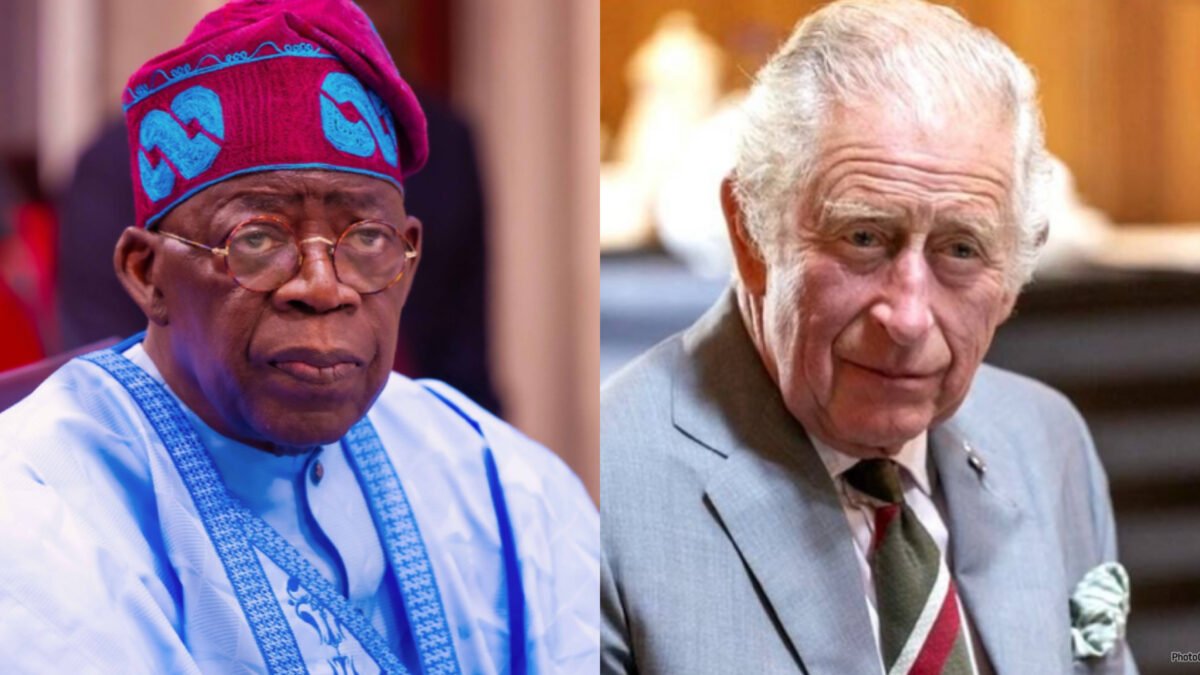
Britain will enforce temporary airspace restrictions and deploy armed police officers in Windsor next week as President Bola Tinubu visits the United Kingdom for a state engagement hosted by King Charles III. Tinubu is expected to begin the visit alongside his wife, Oluremi Tinubu, on Wednesday, March 18, with a reception scheduled to hold at Windsor Castle. In a statement published on its website on Wednesday, Thames Valley Police said it is working closely with the Royal Borough of Windsor and Maidenhead, the Royal Household, and other security partners to coordinate arrangements for the visit. According to the police, existing airspace restrictions over Windsor Castle which remain in place throughout the year will be extended on Wednesday, March 18, covering the period from 7am to 11:59pm. Chief Superintendent Adrian Hall of the Thames Valley Police Joint Operations Unit said the airspace limits form part of a wider security operation for the presidential visit. “The air restrictions are just one element of our comprehensive security operation for the state visit of Nigerian President Tinubu next week, with several measures visible to the public and others carried out behind the scenes,” Hall said. He noted that the force has extensive experience managing security during royal events in Windsor, adding that significant planning and preparation had gone into the upcoming visit. Hall warned that authorities would strictly enforce the airspace restrictions, stating that any violation would constitute a criminal offence under the Air Navigation Order and could result in arrest. “We will take a firm approach in enforcing these restrictions; anyone who breaches them will be committing a criminal offence under the Air Navigation Order and could face arrest,” he said. The police chief also revealed that officers with specialised capabilities including search teams, mounted units, road policing officers, and armed units — would be deployed across Windsor. Neighbourhood policing teams and Project Servator resources will also be on ground to interact with members of the public. Authorities will additionally make use of Windsor’s extensive closed-circuit television network, hostile vehicle mitigation barriers, and other security measures to ensure the event proceeds safely. Hall urged residents and visitors to support the operation by staying alert and reporting suspicious activities. He advised members of the public to report anything unusual by calling 101 or speaking to nearby officers, while emergencies should be reported through 999. Road closures and parking restrictions will begin from Tuesday, March 17, with possible temporary disruptions expected on roads in and around Windsor during the visit. Thames Valley Police added that enforcement of the flight restrictions will be carried out with support from the Civil Aviation Authority and National Air Traffic Services. Individuals with legitimate reasons to operate drones were asked to submit requests via email to TVPAirspaceRequests@thamesvalley.police.uk.

zz-3.avif

1min8140
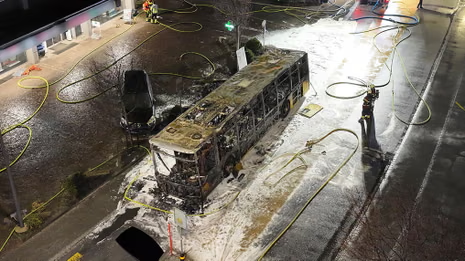
At least six people have died and several others injured after a bus caught fire in western Switzerland, authorities say. The incident occurred around 18:25 local time (19:25 GMT) on Tuesday in the centre of Kerzers known in French as Chiètres in Fribourg canton, roughly 20 km (12 miles) from Bern. Police reported that at least three victims were taken to hospital, and a rescuer was also reportedly injured. The cause of the fire remains unknown, though investigators are examining whether it may have been deliberately set. There have been unverified reports that someone may have doused themselves in gasoline, but authorities have not confirmed this. Local media videos show the bus engulfed in flames, and residents described seeing a thick column of smoke rising from the scene. The bus was reportedly travelling from the Düdingen municipality, about 17 km south of Kerzers. Swiss President Guy Parmelin expressed his sorrow on X, saying the tragedy “shocks and saddens me that people have lost their lives in a serious fire in Switzerland.” The incident comes amid memories of a deadly fire at a Swiss ski resort on New Year’s Eve, which claimed 41 lives.

Tech & Tools Desk11 March 2026
zz-33.jpg

2min7910
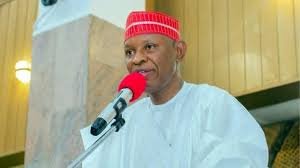
The Governor of Kano State, Alhaji Abba Yusuf, has relieved the state Head of Service, Alhaji Abdullahi Musa, of his position with immediate effect. This was disclosed in a statement issued on Tuesday by the governor’s spokesperson, Sanusi Tofa. According to the statement, the decision is part of ongoing efforts by the administration to reposition the state civil service to enhance efficiency, discipline, and improved service delivery across government institutions. It stated that the move forms part of broader reforms aimed at strengthening the operations of the state’s public service. The governor also commended the outgoing Head of Service for his contributions and dedication to the development of Kano State during his time in office. He wished him success in his future endeavours and prayed for continued progress in all aspects of his life. Yusuf further directed the Permanent Secretary, Administration and General Services at the Cabinet Office, Hajiya Bilkisu Shehu Maimota, to serve in an acting capacity pending the appointment of a substantive Head of Service. The statement added that Musa had been instructed to hand over the responsibilities of the office to the acting Head of Service not later than Wednesday, March 11, 2026. The development comes amid recent political realignments in the state following the governor’s defection from the New Nigeria Peoples Party to the All Progressives Congress, a move that has prompted adjustments within the state’s political and administrative structures. The shift has also led to changes among political appointees and government officials as the administration aligns with the new party structure while pursuing reforms within the civil service.

Zara Lianne11 March 2026
zz-31.jpg

3min6320
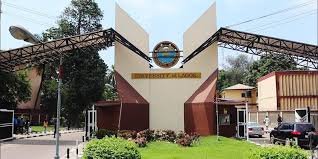
The management of the University of Lagos has criticised the institution’s chapter of the Academic Staff Union of Universities for declaring an industrial action without adhering to established procedures. ASUU-UNILAG, after a congress held on Tuesday, directed its members to withdraw their services from Wednesday over what it described as reduced salaries for January and February. The chairman of the union in the university, Prof. Idou Keinde, said lecturers did not receive the full components of their earnings, including the Consolidated Salary Structure for Academics, the Consolidated Academic Tools Allowance, and the Professorial Allowance. Keinde added that lecturers would not return to work until their complete salaries are paid. Responding, the university, through its Head of the Communication Unit, Adejoke Alaga-Ibraheem, said the management would continue to engage with the ASUU leadership to resolve the concerns raised, particularly the unpaid Consolidated Academic Teaching Allowances. In a statement issued on Wednesday, the university said it had taken note of reports that the union directed its members to suspend services following its congress. The management, however, maintained that the declaration of the strike did not follow due process. Despite the development, the university reaffirmed its commitment to the welfare of staff and students, noting that it would sustain dialogue with the union to address all outstanding issues. UNILAG also stated that the ongoing examinations for students scheduled for Wednesday would proceed as planned. According to the statement, the institution is mindful that students are currently at a crucial stage of the academic session, with semester examinations already in progress. It warned that any disruption could negatively affect students, particularly those preparing for the Students’ Industrial Work Experience Scheme, internships, or admission into the Law School. However, the university noted that examinations for courses where students have already been informed by their Deans or Heads of Department that tests will not hold would be rescheduled. The management further stated that all examinations would continue as scheduled from Thursday, March 12, 2026, while directing deans to ensure proper arrangements for the smooth conduct of the examinations. It also urged members of the university community to remain calm and continue their academic activities while discussions with the union continue toward resolving the issues.

zz-30.jpg

5min3840
The Chief of the Air Staff, Sunday Aneke, has acknowledged the difficulties of securing Nigeria’s vast territory while emphasising the need to safeguard students in tertiary institutions. Speaking during a visit to the headquarters of the Tertiary Education Trust Fund (TETFund) in Abuja on Tuesday, Aneke said the Nigerian Air Force was collaborating with relevant authorities to ensure swift response to security threats in schools. According to him, the Air Force is working on a system that would allow the nearest military unit to be activated instantly in the event of a security emergency. “Security is not something to be fully discussed in public, but Nigeria is a very large country with difficult terrain. However, children must go to school,” Aneke said. He noted that reducing response time remains a key challenge, especially in remote areas where incidents may occur. “The major issue is usually the time between when an incident happens and when help arrives. Fortunately, the Air Force has speed and reach,” he added. The Air Chief explained that arrangements were being made with relevant authorities to ensure that, in the event of a crisis, the closest Air Force unit could be deployed immediately “with the push of a button.” Aneke also appealed to Nigerians to remain patient and appreciate the sacrifices made by security personnel across the country. “While many Nigerians sleep, our officers and men are risking their lives, flying at night and responding to emergencies. I urge Nigerians to be patient because many people are making significant sacrifices,” he said. Meanwhile, the Executive Secretary of TETFund, Sonny Echono, outlined measures being implemented to strengthen security in universities and other higher institutions. Echono said efforts are focused on improving basic security infrastructure across campuses, including perimeter fencing, better lighting systems and enhanced communication equipment for security personnel. He disclosed that the Fund was also developing a comprehensive security master plan in collaboration with the Office of the National Security Adviser and other security agencies. According to him, the government is expanding the Safe Schools Initiative initially introduced for primary and secondary schools to include tertiary institutions. Echono further revealed that security coordination units have been created within institutions to work with agencies such as the Army, Navy, police, Civil Defence and the Air Force. He added that TETFund has established a special intervention fund dedicated to strengthening security infrastructure and supporting security agencies operating within educational institutions. Security concerns have intensified in recent years following incidents of kidnappings and violent attacks targeting schools, which have disrupted academic activities and heightened fear among students and staff. Authorities say expanding the Safe Schools Programme to universities and colleges is part of broader efforts to improve surveillance, emergency response and overall safety across Nigeria’s education sector.