

 Edupreneur Editorial Team
China’s Xi Jinping unusually addresses recent military purge
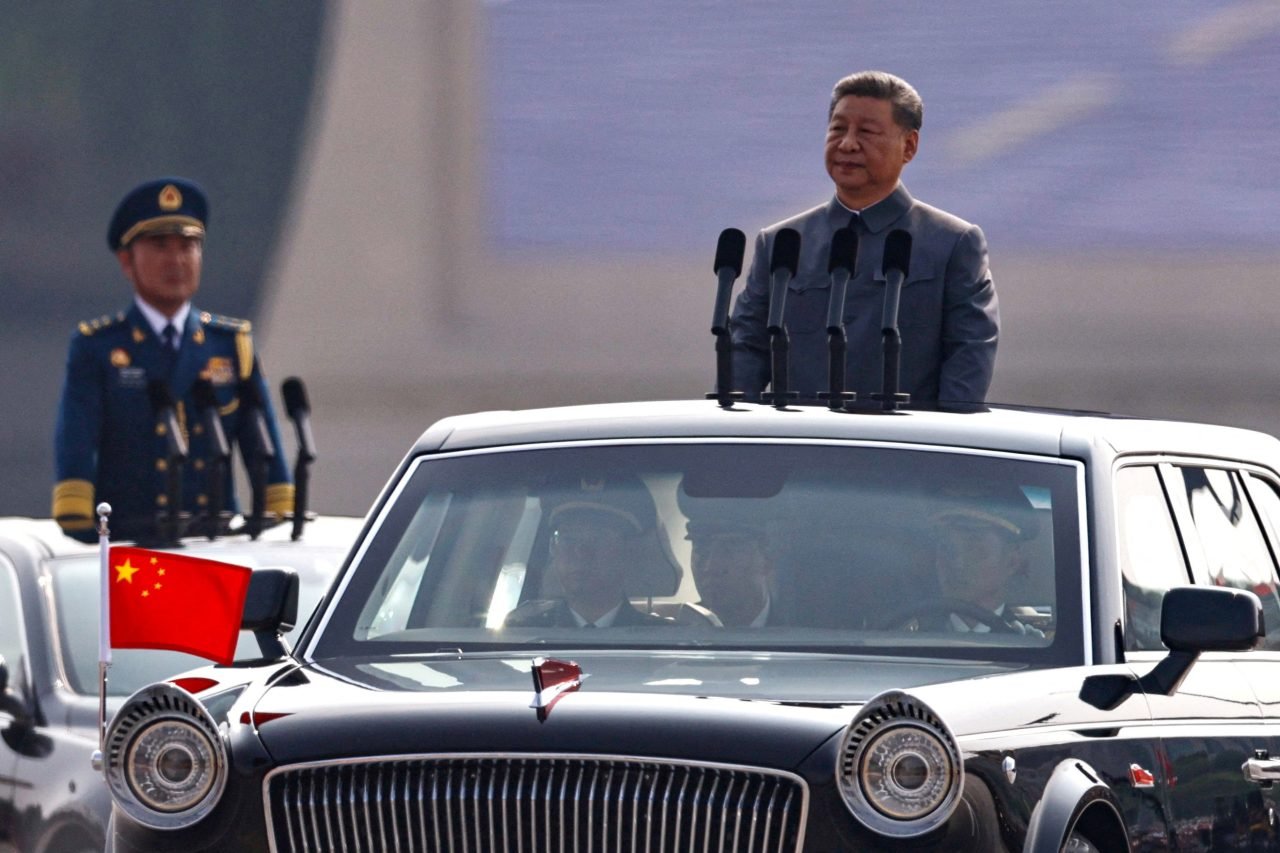
Chinese President Xi Jinping has made a rare public reference to a recent military crackdown that saw the country’s top general removed from his post.
General Zhang Youxia, widely regarded as one of Xi’s closest military allies, was dismissed in January over “serious violations of discipline and law,” a term often used to indicate corruption. Another senior officer, General Liu Zhenli, was also removed.
In a virtual address on Tuesday, Xi described the past year as “unusual and extraordinary,” saying the People’s Liberation Army (PLA) had undergone “revolutionary tempering in the fight against corruption.” He added that the army had addressed “various risks and challenges” and that many personnel had gone through “in-depth political rectification,” while emphasizing that PLA troops remained “loyal to the Party” and “capable and dependable.”
The remarks were part of Xi’s annual Chinese New Year greetings to the PLA and mark the first time since 2022 that he publicly referenced corruption in this context.
Zhang, 75, was vice-chairman of the powerful Central Military Commission (CMC), which Xi heads. The latest dismissals follow a previous purge in October 2025 that removed nine top generals, including some CMC members, as part of an anti-corruption campaign. Over the past three years, 14 full-rank generals have been sacked or investigated, leaving the seven-member CMC with only two members, including Xi himself.
Observers note that Xi rarely speaks publicly, making these comments highly unusual. Analysts suggest that addressing the crackdown serves to reassure Party officials and the public that the measures are part of a broader plan, especially given the impact of the purges on the military’s operational capacity.
Xi has made anti-corruption efforts a central pillar of his leadership, calling corruption the “biggest threat” to the Communist Party and describing the fight as “grave and complex.” Experts say the public messaging is intended more as an internal signal within the Party, demonstrating the consequences of disloyalty or corruption, rather than providing detailed explanations of the internal dynamics.

