

 Zara Lianne
Harvard Barred from Enrolling International Students Amid Federal Sanctions
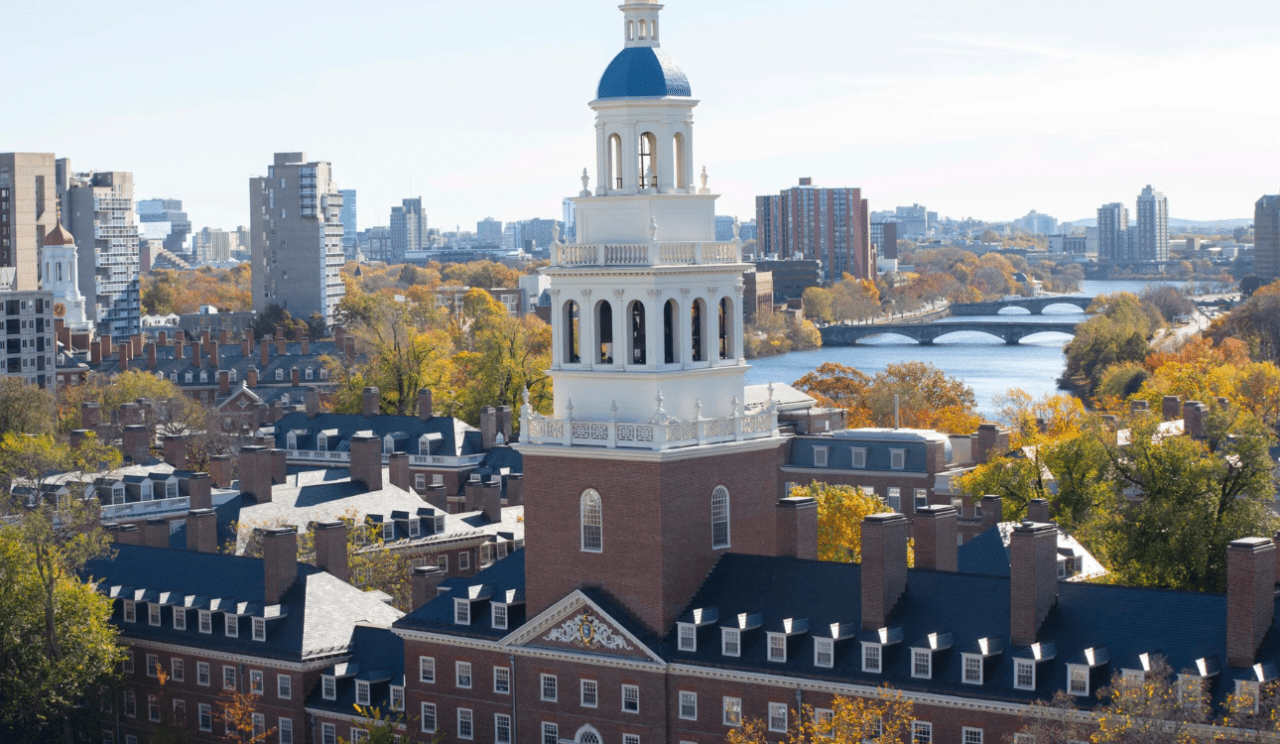
In a move that has sent shockwaves through the global academic community, the U.S. Department of Homeland Security has revoked Harvard University’s ability to enroll international students for the 2025–2026 academic year.
The decision, announced on May 22, 2025, follows the suspension of Harvard’s certification under the Student and Exchange Visitor Program (SEVP)—a federal requirement for U.S. institutions that admit international students. As a result, nearly 6,800 foreign students at Harvard now face uncertainty, with some potentially needing to transfer schools or leave the country to maintain their legal status.
Federal officials, including Homeland Security Secretary Kristi Noem, claim that the university failed to meet certain federal requirements. Allegations include tolerating antisemitic activity and having undisclosed ties to the Chinese government. Harvard has strongly denied these accusations, calling the decision politically motivated and a violation of federal procedures.
The university is pursuing legal action to reverse the decision and has pledged full support to affected students during this challenging period.
International response has been swift. China’s Ministry of Foreign Affairs criticized the U.S. government’s move and promised to protect the rights of Chinese students studying abroad.
This development raises major questions about academic freedom, international cooperation, and the politicization of higher education in the United States.

