

 James Obasi
Lagos Residents Decry Rising Air Pollution, Urge Stricter Enforcement of Environmental Laws
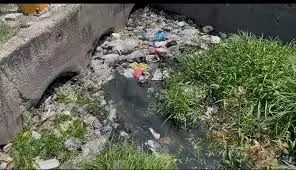
As Lagos continues to grapple with environmental challenges linked to its rapid urbanisation, residents across the state have voiced growing concern over worsening air quality caused by indiscriminate waste burning, vehicular emissions, and poor sanitation practices.
In interviews with the News Agency of Nigeria (NAN) on Sunday, residents from Ikorodu, Shasha, Oshodi, Alagbado, and other parts of the metropolis lamented the choking fumes that now hang over many communities, posing serious threats to public health and the environment.
Mrs. Itunu Dada, a civil servant in Ikorodu, attributed the poor air quality in her area to rampant waste burning.
“Instead of engaging PSP operators, many residents prefer to burn their refuse. The smoke causes cough and chest irritation. Around the markets, refuse piles emit offensive odours it’s terrible,” she said.
She urged the Lagos State Government to shut down unsanitary markets and strengthen waste collection systems.
“Those evacuating waste from drains often leave it for weeks before removal. When it rains, the waste flows back into the gutters. The government should set up a task force to monitor illegal dumping and burning,” she added.
In Shasha, Alimosho Local Government Area, a teacher, Mrs. Stella Lawrence, said air pollution has become a daily struggle for residents.
“Many commercial vehicles are not roadworthy and emit thick fumes. Frequent power outages also force people to rely on generators. The government should phase out unfit vehicles, ensure regular waste evacuation, and improve power supply to reduce pollution,” she said.
Similarly, Miss Chioma Ndukwe, a communications professional living in Okota, described Oshodi as one of the worst-hit areas.
“When you walk through Oshodi Market, it’s difficult to breathe. Industrial emissions, traffic fumes, and waste burning create a choking environment,” she said, urging authorities to provide public toilets, enforce vehicle emission tests, and regulate industrial discharges.
In Lekki, businessman Mr. Bruno Ajede noted that while parts of the area remain relatively clean, congestion in Ajah and nearby markets still fuels pollution.
“Vehicle fumes are the major problem. Air pollution can trigger asthma and other respiratory illnesses,” he said.
Mr. Ajibola Ajayi, a marketer in Alagbado, blamed the situation on weak regulation.
“Many vehicles here emit heavy smoke because there’s little or no enforcement,” he said.
Speaking on the issue, Mr. Friday Oku, President of the Association of Wastepickers of Lagos, said Nigeria’s dependence on fossil fuels is worsening environmental and health hazards.
“Fossil fuel use is damaging both our health and the planet. That’s why we advocate renewable energy and cleaner alternatives,” he said.
Oku criticised inconsistent government policies, citing the recent ban on waste pickers using carts known locally as “cart pushers” as counterproductive.
“Banning cart pushers while replacing them with more polluting tricycles shows a lack of policy direction,” he argued.
He added that private groups are promoting renewable energy and Compressed Natural Gas (CNG), but government actions often contradict climate goals.
“We need to move away from fossil fuels. The solution lies in renewable energy and behavioural change,” he stressed.
Experts warn that prolonged exposure to polluted air increases the risk of respiratory infections, heart disease, and lung cancer.
Meanwhile, the Lagos State Government says it remains committed to improving air quality through its Blue and Green Economy Initiative and Air Quality Monitoring Network, which deploys mobile sensors across the city to track emissions and enforce compliance.
Despite these efforts, residents and environmental advocates insist that Lagos will not achieve clean air until waste burning stops and environmental laws are effectively enforced.
(NAN)

