

 Edupreneur Editorial Team
Public Health Association and Labor Union Sue Trump Administration Over NIH Grant Cancellations
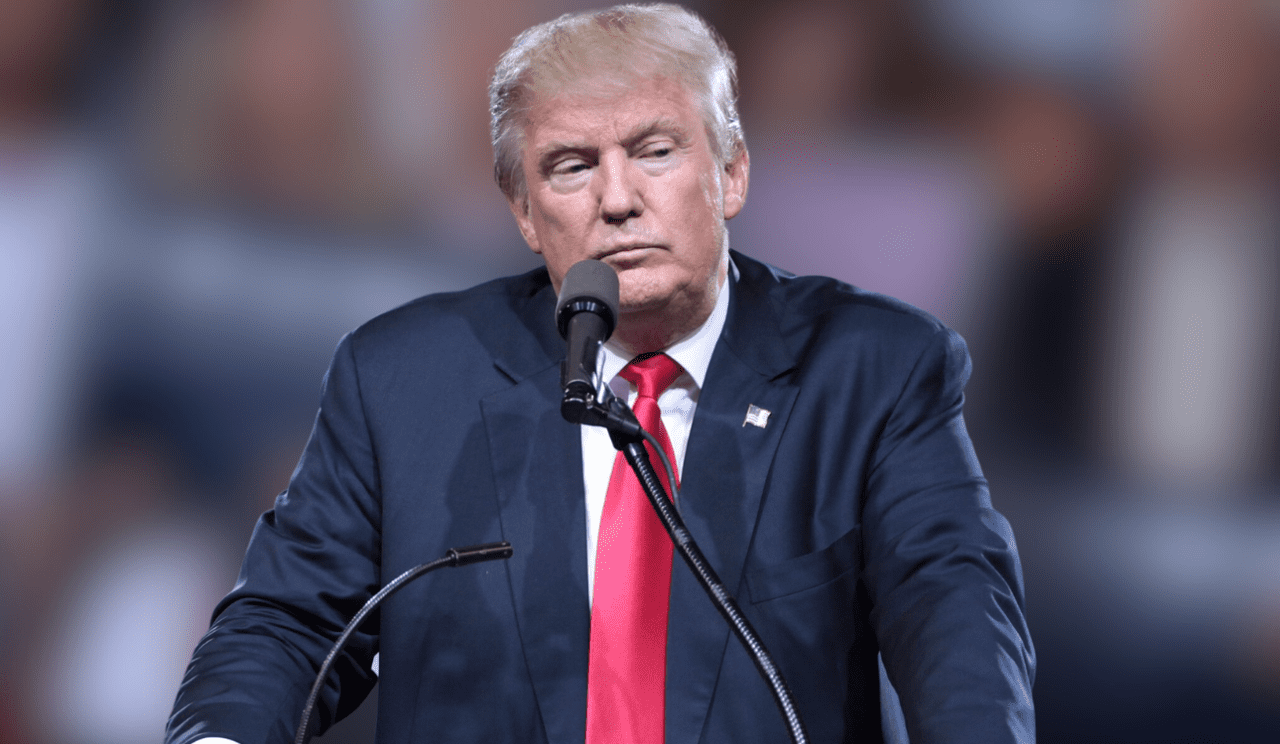
A coalition of public health experts, researchers, and a major labor union has filed a lawsuit against the Trump administration, challenging the sudden cancellation of hundreds of federally funded research grants. The lawsuit, brought by the American Public Health Association (APHA), the United Auto Workers (UAW) union, Ibis Reproductive Health, and four individual researchers, alleges that the National Institutes of Health (NIH) acted arbitrarily in revoking over $1.1 billion in research funding.
Allegations of Political Interference
The plaintiffs argue that the administration’s decision was politically motivated and targeted projects related to LGBTQ+ health, COVID-19, vaccine hesitancy, and minority health issues. They claim that the NIH bypassed established scientific review procedures and violated federal regulations by canceling these grants without proper justification.
One of the affected researchers, Dr. Brittany Charlton, an associate professor at Harvard University, expressed concerns that the funding cuts could significantly hinder medical research. “The abrupt termination of these grants not only affects ongoing studies but also sets a dangerous precedent for how science is funded in this country,” she stated.
Government’s Defense
The Department of Health and Human Services (HHS), which oversees the NIH, has not issued an official response to the lawsuit. However, previous statements from the administration suggest that these grant cancellations are part of broader efforts to cut federal spending and reevaluate programs related to diversity, equity, and inclusion (DEI), as well as transgender healthcare initiatives.
Officials have also pushed back against claims of ideological bias, arguing that the administration has the right to reassess funding priorities. However, the lawsuit insists that the cancellations were not based on scientific merit but rather on political considerations.
Potential Impact on Research and Policy
Legal experts believe this case could set an important precedent for the future of federal research funding. If the court rules in favor of the plaintiffs, it may limit the government’s ability to interfere with scientific grants based on political motives.
The lawsuit underscores the ongoing tension between political leadership and the scientific community over research autonomy. Advocacy groups and researchers warn that such interference threatens scientific progress and public health initiatives nationwide.
The case is expected to be closely watched by academics, healthcare professionals, and policymakers as it moves forward in federal court.

