

 Edupreneur Editorial Team
South Korea’s Constitutional Court Ousts Impeached President Yoon Suk Yeol
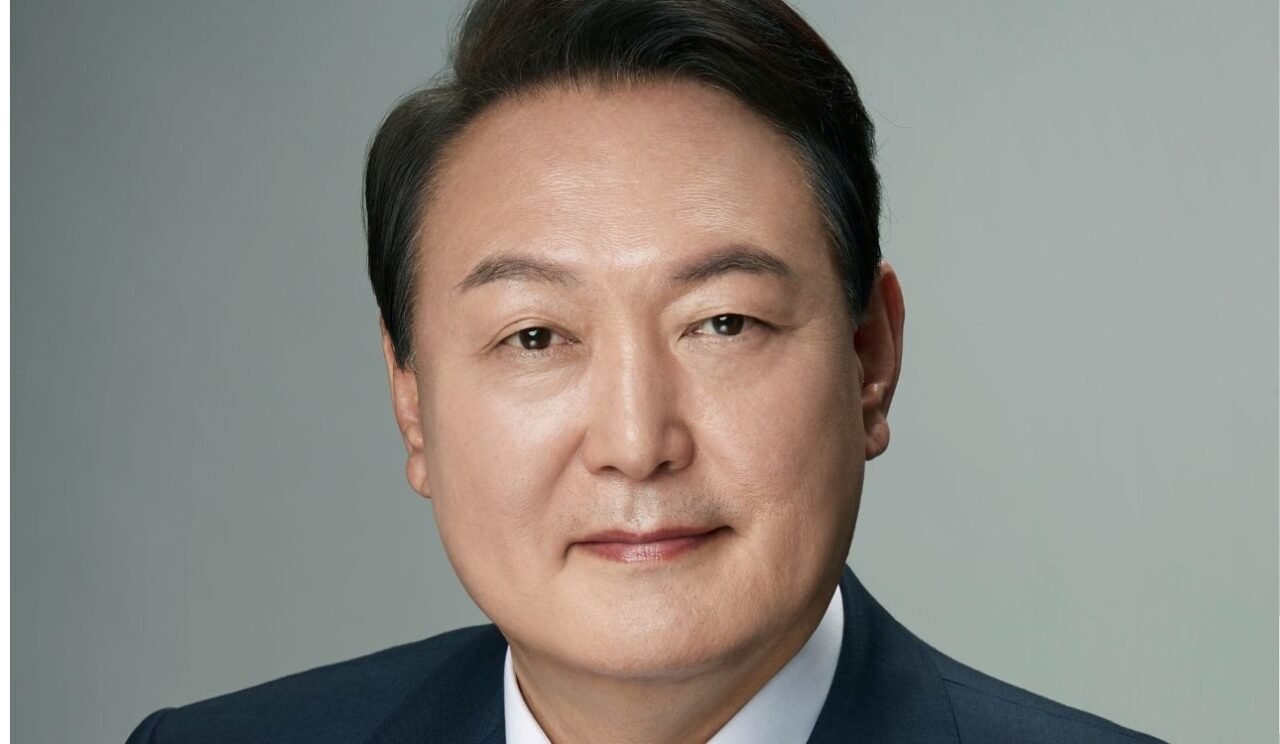
South Korea’s Constitutional Court on Friday unanimously ruled to remove impeached President Yoon Suk Yeol from office following his controversial martial law declaration in December 2024. The decision, which comes after months of political turmoil, paves the way for fresh presidential elections to be held within the next 60 days.
Martial Law Sparks Political Crisis
The crisis began when President Yoon declared martial law, deploying military forces to the opposition-dominated National Assembly in an effort to quash dissent and legislative gridlock. Although the measure lasted only a few hours, it sent shockwaves through both domestic and international communities, with critics arguing that it was an overreach of executive power that undermined democratic norms.
Court Ruling and Its Implications
In a decisive ruling, the Constitutional Court found that Yoon’s actions violated the constitutional framework by interfering with the nation’s legislative process. The unanimous decision not only removed him from office but also signaled a stern warning against the politicization of state power. Following the ruling, President Yoon issued a public apology through his legal team, although he now faces serious criminal charges related to his actions.
Interim Leadership and Upcoming Elections
With the presidency now vacant, Prime Minister Han Duck-soo has stepped in as acting president. The court’s order mandates that a new presidential election be organized within 60 days, setting the stage for a highly anticipated and closely watched electoral contest. Political analysts expect the election to reflect deep-seated divisions in South Korean society and to be a crucial test of the country’s commitment to democratic accountability.
A Historic Precedent
This marks only the second time in South Korea’s recent history that a sitting president has been removed from office through impeachment, the first being the 2017 removal of President Park Geun-hye. The ruling reinforces the nation’s determination to uphold constitutional principles and safeguard democratic processes, even amid severe political challenges.
As South Korea enters this new phase, the upcoming elections and the ongoing legal proceedings are expected to have lasting impacts on the country’s political landscape and its international standing.

