Blog - Edupreneur Select

Bring to the table win-win survival strategies to ensure proactive domination. At the end of the day, going forward, a new normal that has evolved from generation.
multichoice-1.jpg

4min4180
MultiChoice Nigeria has extended its anti-piracy campaign to schools as part of its continuous efforts to safeguard intellectual property and inspire originality among young Nigerians. In a statement issued on Thursday, the company announced that it hosted an Anti-Piracy Sensitisation Programme at Kuramo Senior College, Victoria Island, Lagos. The event aimed to educate secondary school students on the dangers of piracy and the need to respect creative works from an early age. The interactive session featured legal professionals, creative industry experts, and representatives from the Nigerian Copyright Commission, who used storytelling, games, and discussions to engage the students. According to MultiChoice, the initiative seeks to build “a generation that values creativity and rejects content theft,” stressing that piracy poses a major threat to the growth and sustainability of Nigeria’s creative industries. Highlighting the event, intellectual property and entertainment lawyer Obafemi Agaba explained key concepts such as copyright, trademarks, and creative ownership in simple terms students could relate to. “Each time you stream a movie illegally or share a song without permission, you take away from the people who created it,” Agaba said. “If you love Nollywood, Afrobeats, and Nigerian creativity, then protecting it is your responsibility.” Students enthusiastically participated in the discussions and pledged to become “cultural heroes” who promote originality and reject piracy. Caroline Oghuma, Executive Head of Corporate Affairs at MultiChoice Nigeria, described the school outreach as a strategic step toward nurturing young minds that respect creative ownership. “The fight against piracy must start early — in classrooms,” she said. “The future of Nollywood and Nigerian music lies in the hands of these students. Teaching them to value originality ensures the sustainability of our creative economy.” Deputy Director of Operations at the Nigerian Copyright Commission, Charles Amudipe, commended MultiChoice for expanding its campaign to schools, noting that awareness remains one of the most powerful tools against piracy. “By bringing this discussion to students, we’re not only enforcing laws but also instilling values that safeguard creativity for generations to come,” Amudipe stated. Vice Principal of Kuramo Senior College, Mr. Oyewale Taofik, praised the programme, describing it as an enlightening experience for both students and staff. “Many of our students never realised that forwarding movie links or buying pirated CDs amounts to stealing,” he said. “Today, they’ve learnt that creativity deserves protection and that they can be ambassadors of originality.” The sensitisation campaign is part of MultiChoice Nigeria’s broader nationwide effort to combat piracy through advocacy, education, and collaboration. The initiative will continue next month with the “Walk Against Piracy” in Lagos on November 27, ahead of National Anti-Piracy Day on November 30, 2025.

Tech & Tools Desk31 October 2025
s2.png

5min2270
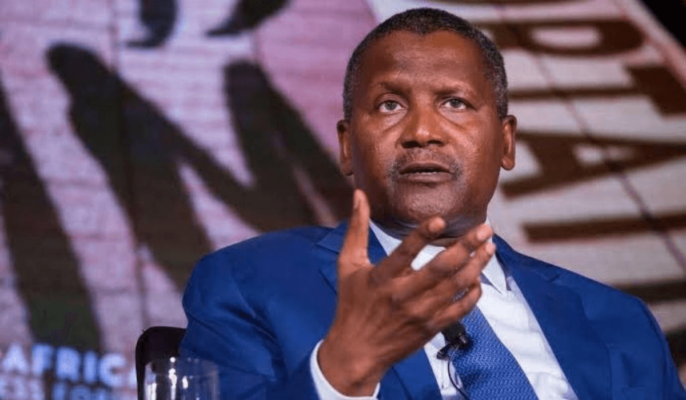
The President of Dangote Group, Alhaji Aliko Dangote, has dismissed suggestions that he should purchase one of Nigeria’s idle government-owned refineries rather than expand the capacity of his privately owned refinery in Lekki, Lagos. Dangote made this known while announcing the planned expansion of his $20 billion refinery from 650,000 barrels per day to 1.4 million barrels per day, a move he said would make it the largest in the world within three years. Responding to questions about why he chose expansion over acquisition, Dangote, who spoke alongside his longtime associate, Femi Otedola, said he preferred to grow his own facility rather than face accusations of monopolizing the industry. He urged other wealthy individuals and groups—particularly the Depot and Petroleum Products Marketers Association of Nigeria (DAPPMAN)—to consider acquiring or constructing refineries themselves. “Buying those refineries? The moment we do that, there’ll be noise everywhere. There are others with even more resources than we have—let them take their shot so that nobody complains about monopoly,” Dangote stated. “DAPPMAN and similar groups should buy some of the refineries. And if they’re not for sale, they should build their own. It’s better for others to invest too so that we’re not the only ones supporting the President’s policies.” He added that President Bola Tinubu had pledged to back the local refining sector with crude oil supply, saying the government’s support would help boost domestic production. “For us, we already have the infrastructure, so expanding our refinery makes more sense than taking over another facility,” he explained. “We’re doubling our capacity from 650,000 to 1.4 million barrels per day because the environment is now favorable for such investment.” Dangote emphasized that achieving the government’s vision of a $1 trillion economy would require collective effort, urging other investors to take initiative in the refining sector rather than relying on one player. The billionaire industrialist also recalled that he had once attempted to acquire the refineries during former President Olusegun Obasanjo’s administration in 2007, but was forced to return them after the late President Umaru Musa Yar’Adua reversed the sale. “We bought the refineries in January 2007, but when the new administration came in, we had to return them. They claimed Obasanjo sold them too cheaply. Since then, over $18 billion has reportedly been spent on them, yet they’re still not functioning. I doubt they ever will,” Dangote remarked. Meanwhile, the Group Chief Executive Officer of the Nigerian National Petroleum Company Limited (NNPC), Bayo Ojulari, has insisted that the country’s refineries—Port Harcourt, Warri, and Kaduna—will be restored to operation. Calls for privatisation have grown louder following the repeated shutdowns of the Port Harcourt and Warri refineries, both of which had recently been declared operational after major rehabilitation projects. Industry stakeholders, including the Manufacturers Association of Nigeria, have described the facilities as a financial burden on the nation, urging the government to sell them off to improve efficiency and accountability. Despite multiple rounds of funding—$1.4 billion for Port Harcourt, $897 million for Warri, and $586 million for Kaduna—the refineries have remained non-functional for years. Ojulari revealed that the NNPC is currently conducting a “Technical and Commercial Review” to determine whether the refineries should be overhauled or repurposed for improved performance and long-term sustainability. According to him, the review is part of a broader effort to reposition the refineries into profitable, globally competitive assets capable of meeting Nigeria’s fuel needs.

James Obasi31 October 2025
1.6.jpeg

6min7990
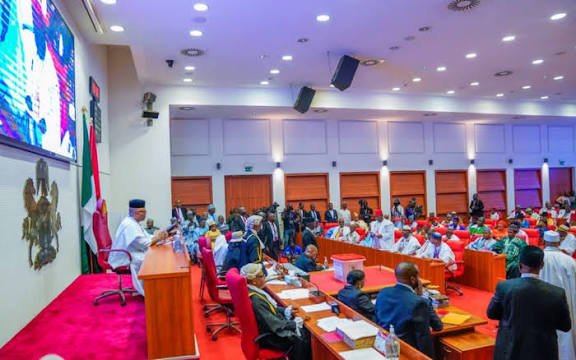
The House of Representatives has set up an ad-hoc committee to investigate mounting complaints over excessive tax deductions from the earnings of civil and public servants, alongside multiple and unclear charges imposed by commercial banks on customers. The committee, chaired by Hon. Kelechi Nwogu from Rivers State, was inaugurated in Abuja on Thursday by Speaker Tajudeen Abbas. Across the country, Nigerians have continued to express frustration over unexplained deductions from their salaries and bank accounts. Civil and public servants, in particular, lament being subjected to overlapping taxes, levies, and charges that further strain their limited incomes. Experts have linked the issue to Nigeria’s complicated tax system, where overlapping deductions by federal, state, and local agencies often result in double taxation and poor accountability. In addition, some workers allege that deducted funds—such as pensions and housing contributions—are not fully remitted to the relevant authorities. Meanwhile, commercial banks have faced backlash for a variety of service charges, including stamp duty, VAT, card maintenance, and transfer fees, often applied simultaneously on the same transaction. Responding to these widespread concerns, the House inaugurated the Nwogu-led committee to look into the allegations and ensure transparency in both public and private financial dealings. The investigation will seek clarifications from the Central Bank of Nigeria, the Federal Inland Revenue Service, and commercial banks, with the goal of promoting fairness, consumer protection, and trust in Nigeria’s financial system. In his remarks, Hon. Nwogu said the committee’s creation was a response to the growing outcry from Nigerians over persistent, unexplained deductions by government bodies and financial institutions. He described the probe as a vital step in reinforcing the National Assembly’s dedication to fairness, transparency, and accountability. “It is with great honour and responsibility that I address you as Chairman of this ad-hoc Committee,” Nwogu said. “Our goal is to ensure that financial operations in both public and private institutions align with principles of equity and justice.” He explained that the committee would review the nature, legality, and implementation of taxes, levies, and deductions affecting public workers, while also examining potential cases of non-remittance. Additionally, the committee will scrutinize various bank charges and VAT applications on service fees to guarantee fairness and transparency in financial transactions. “Our objective is to identify irregularities, propose reforms, and protect the rights of all Nigerians,” Nwogu emphasized. “We are committed to making far-reaching recommendations—no matter whose interests are affected.” He called for cooperation from government agencies, banks, regulatory institutions, and civil society organizations, stressing that the committee’s work would go beyond identifying problems to delivering practical solutions that restore public confidence in the financial system. Also speaking, the Speaker, Tajudeen Abbas—represented by Chief Whip Bello Kumo—reaffirmed the commitment of the 10th National Assembly to safeguarding citizens from exploitative financial practices. He noted that the establishment of the committee reflects the legislature’s responsiveness to citizens’ complaints about arbitrary deductions from salaries and accounts. “Public servants who diligently serve this nation should not be burdened by unfair financial practices that reduce their already strained earnings,” Abbas said. He expressed concern over the growing problem of multiple and unclear bank charges, warning that such actions erode public trust and worsen the economic difficulties faced by Nigerians. “The persistence of multiple bank charges undermines confidence in our financial institutions and imposes an unnecessary strain on citizens,” he said. “Demands for transparency and fairness in banking must be treated with urgency.” The Speaker urged committee members to carry out their assignment with integrity and diligence, engaging all relevant stakeholders to ensure a thorough, solution-driven investigation. “This is an opportunity to rebuild public trust and reinforce financial justice in Nigeria,” Abbas concluded.

donald-trump_b06ef1.webp

4min2510
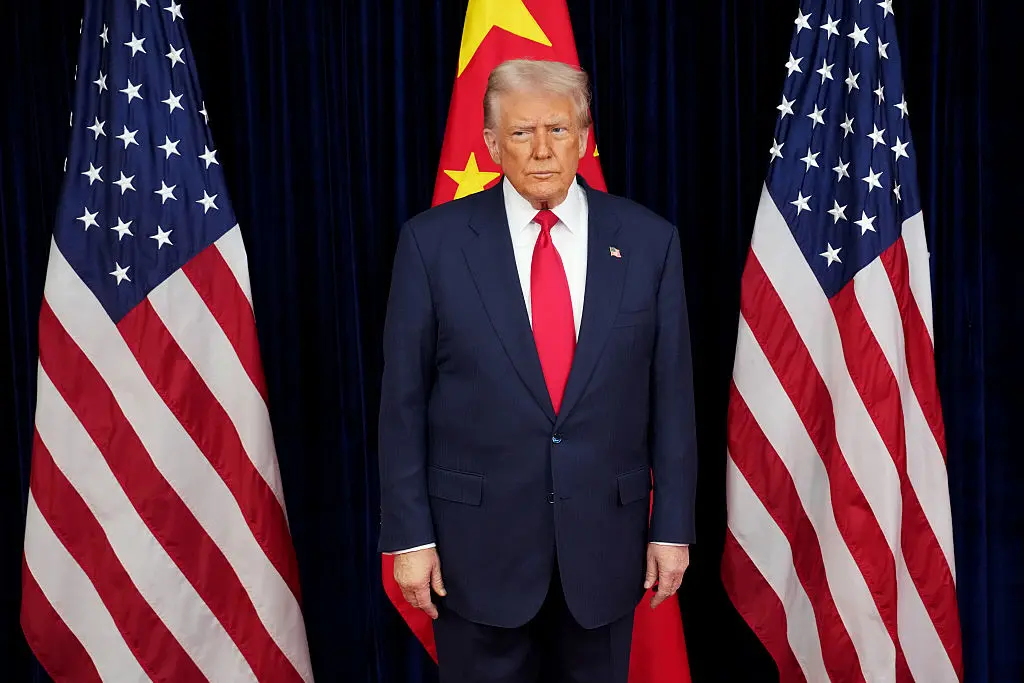
U.S. President Donald Trump announced on Thursday that he has directed the Pentagon to resume nuclear weapons testing at a level comparable to that of China and Russia — just minutes before a crucial summit with Chinese leader Xi Jinping. The decision follows Russian President Vladimir Putin’s declaration on Wednesday that Moscow had successfully tested a nuclear-capable, nuclear-powered underwater drone, defying warnings from Washington. “In response to other nations’ testing programs, I have instructed the Department of War to begin testing our nuclear weapons on an equal basis,” Trump wrote in a social media post referencing Russia and China. Trump emphasized that the United States possesses more nuclear weapons than any other country, crediting his administration for a “complete modernization and renovation of existing weapons.” He noted, “Russia is second, and China is a distant third, but will catch up within five years.” According to the International Campaign to Abolish Nuclear Weapons (ICAN), nine nations currently possess nuclear arsenals — the United States, Russia, China, France, the United Kingdom, Pakistan, India, Israel, and North Korea. Of approximately 12,331 nuclear warheads globally, Russia holds about 5,580 while the U.S. possesses around 5,044. Trump did not specify the nature of the planned nuclear tests but said the process would “begin immediately.” Putin had earlier announced the successful testing of a nuclear-powered underwater drone known as “Poseidon,” claiming it could travel faster than conventional submarines, dive to extreme depths, and strike any target across continents. After Russia’s missile tests, Trump criticized Putin, urging him to end the war in Ukraine “instead of testing missiles.” Historically, the United States conducted 1,054 nuclear tests between 1945 and 1992, including two wartime detonations in Japan during World War II. The last U.S. nuclear test occurred in September 1992 at the Nevada Nuclear Security Site before President George H.W. Bush imposed a moratorium, later upheld by subsequent administrations. Since then, nuclear testing has been replaced with advanced non-nuclear and computer-simulated experiments. Trump is currently in South Korea for a high-level meeting with Xi Jinping, marking the first direct encounter between the leaders of the world’s two largest economies in his second term.

Nigeria-UK.jpg

3min2270
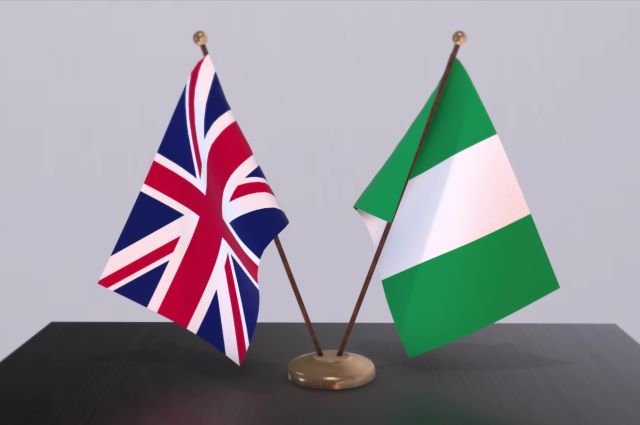
The Federal Ministry of Industry, Trade and Investment, in partnership with the UK Department for Business and Trade, has commenced a sensitization programme to educate Nigerian exporters on opportunities within the United Kingdom market. Both parties, on Wednesday in Lagos, convened a workshop focused on the UK’s Developing Countries Trading Scheme (DCTS), drawing a large turnout of exporters and key stakeholders. Speaking at the event, Mrs. Orji Gertrude, Director of Trade and Investment, representing Ambassador Abba Nura Rimi, Permanent Secretary of the Ministry, highlighted the longstanding bilateral ties between Nigeria and the UK, which have continued to foster mutual economic growth. One of the key outcomes of this relationship, she noted, is the DCTS initiative. Established in June 2023, the DCTS replaces the UK’s former Generalized Scheme of Preferences (GSP) and aims to strengthen trade partnerships with developing nations by offering simplified and more generous trade preferences. Mrs. Gertrude explained that the workshop seeks to build exporters’ capacity and raise awareness about the benefits, eligibility criteria, and procedures under the scheme. “This initiative comes at a time when Nigeria is deepening efforts to diversify its exports beyond oil and strengthen participation in global value chains,” she stated. “To maximize these opportunities, stakeholders need a clear understanding of the rules of origin, documentation, product standards, and trade facilitation measures under the DCTS.” She added that the scheme provides duty-free and quota-free access to thousands of products from eligible countries, opening new opportunities for Nigerian non-oil exports such as agricultural produce, textiles, leather, processed foods, and manufactured goods. Also speaking, Mujina Kaindama, UK Head of Trade Policy and Market Access for Nigeria, explained that the British Standards Institute is collaborating with Nigerian regulatory bodies such as NAFDAC and other agencies to ensure local certifications meet international recognition standards. According to her, the UK government is building a supportive ecosystem around the DCTS to ensure it serves not just as a policy framework but as a practical tool that enables Nigerian exporters to access and thrive in the UK market.

naira-to-dlor.webp

2min2960
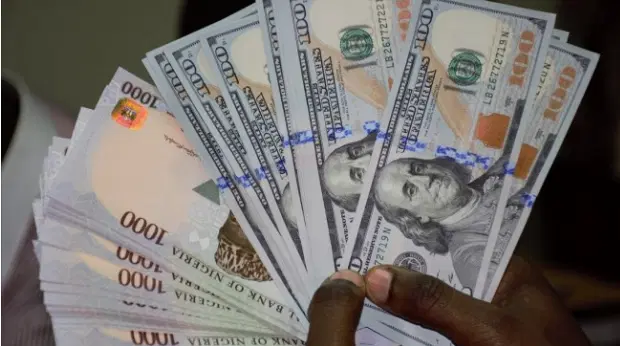
The naira appreciated in official trading today, while the parallel (black) market remained weaker, highlighting the ongoing disparity between electronic foreign exchange platforms and street dealers. At the Daily Nigerian Foreign Exchange Market (NFEM) — the official interbank benchmark rate — the dollar traded around ₦1,452.8/$ on October 30, 2025. This reflects a steady strengthening trend in the official market compared to earlier October levels. In contrast, Lagos parallel-market dealers quoted the dollar between ₦1,480 and ₦1,495, buying at ₦1,480 and selling up to ₦1,495. This leaves the parallel market roughly ₦25–₦40 weaker than the NFEM rate. Despite improvements in official FX liquidity, the parallel spread remains a key reference for importers and retailers. Reasons for the gapRecent Central Bank policies and better FX liquidity — supported by electronic matching platforms — have stabilized and boosted the naira in the official market. The CBN’s decision to trim its policy rate in September, alongside signs of easing inflation, has further strengthened the currency’s position. However, ongoing structural challenges, restricted access to official FX for some businesses, and high retail demand continue to sustain the parallel market and its wide spreads. Reports indicate the naira hit record highs earlier in the week before stabilizing at today’s levels. Implications For importers and consumers: When official FX is scarce, importers rely on parallel-market rates, which keeps import and retail prices elevated. For investors: A narrower official rate and clearer monetary direction boost investor confidence, though the gap between markets signals lingering inefficiencies that warrant close attention.

Tech & Tools Desk30 October 2025
gtb.jpeg

3min2500
Guaranty Trust Holding Company Plc (GTCO) has announced its unaudited financial results for the third quarter of 2025, reporting a 39% year-on-year increase in Profit Before Tax (PBT) to ₦299.9 billion. The report showed that gross earnings for the period rose by 15.5% year-on-year to ₦532 billion, compared to ₦461 billion in Q3 2024. GTCO’s nine-month PBT stood at ₦900.8 billion, driven by strong growth in interest and fee income, which rose by 25.6% and 16.8% respectively. The company noted that its solid core earnings helped mitigate the 26% year-on-year decline in PBT, following the non-recurrence of ₦523.2 billion fair value gains recorded in Q3 2024. GTCO’s unaudited consolidated and separate financial statements as of September 30, 2025, submitted to the Nigerian Exchange Group (NGX) and the London Stock Exchange (LSE), showed growth across all asset categories. The Group maintained a strong, liquid, and diversified balance sheet across its banking, payments, pension, and fund management businesses. Total assets stood at ₦16.7 trillion, while shareholders’ funds closed at ₦3.3 trillion. The Capital Adequacy Ratio (CAR) remained strong at 36.5%. Asset quality also improved, with IFRS 9 Stage 3 Loans declining to 3.3% and 4.4% at the Bank and Group levels, respectively, compared to 3.5% and 5.2% in December 2024. The Cost of Risk (COR) also improved to 2.2% from 4.9% at the end of 2024. The Group’s loan book (net) expanded by 16.5% from ₦2.79 trillion in December 2024 to ₦3.24 trillion in September 2025, while customer deposits grew by 16% from ₦10.4 trillion to ₦12.06 trillion during the same period. Commenting on the results, GTCO Group Chief Executive Officer, Mr. Segun Agbaje, said:“Our third-quarter performance highlights the strength and consistency of our business model. We continue to see sustainable growth across our banking and non-banking operations, driven by disciplined execution and a strong focus on operational efficiency.”

James Obasi30 October 2025
6.webp

3min2440
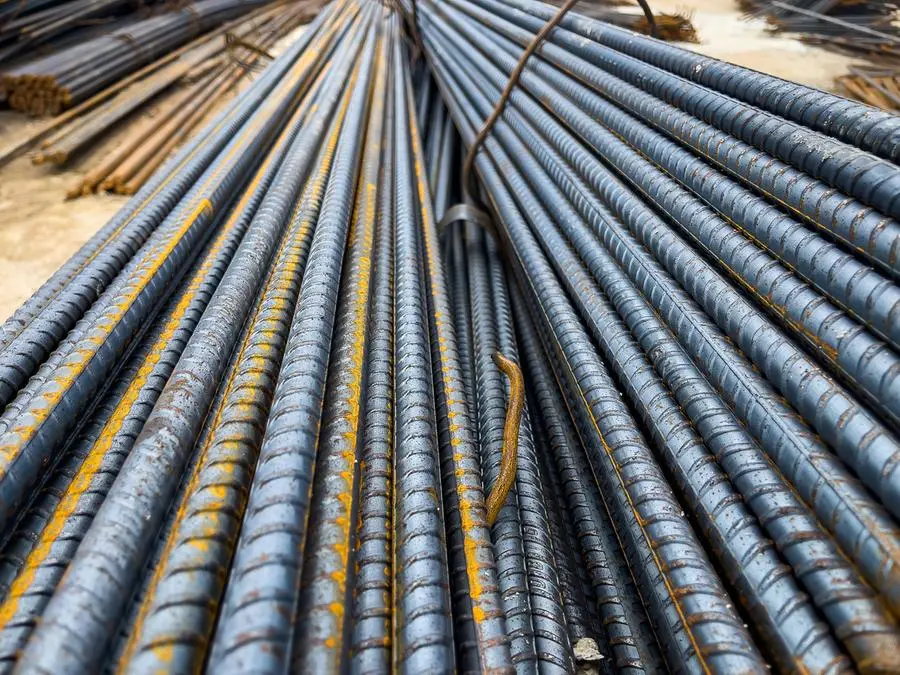
In a move to boost and modernize Nigeria’s steel production, the Federal Ministry of Steel Development has signed a $400 million Joint Strategic Cooperation Declaration with Stellar Steel Company Limited for the construction of a state-of-the-art steel plant in Ewekoro, Ogun State. The Ministry, in a statement, explained that the project will be executed in three phases, with the first phase expected to commence production by 2026. The Minister of Steel Development, Prince Shuaibu Abubakar Audu, signed the agreement during a meeting with Mr. Li, President of Inner Galaxy Group, and other executives of Stellar Steel Company Limited at the Ministry’s headquarters in Abuja. According to the Minister, the partnership supports the Federal Government’s target of producing 10 million tonnes of crude steel annually by 2030 — a milestone toward achieving industrial self-sufficiency and diversifying the nation’s economy. He noted that the Ministry will provide policy and infrastructure support, including integrating Stellar Steel’s logistics projects into the National Infrastructure Plan and ensuring access to available fiscal incentives. Key highlights of the collaboration include the development of a local iron ore supply chain to reduce import dependence and save over $1 billion in foreign exchange yearly, the creation of over 2,000 direct and 20,000 indirect jobs, the promotion of green steel production through energy-efficient technologies, and the strengthening of Nigeria’s position as West Africa’s steel manufacturing hub. Audu added that Stellar Steel will prioritize local employment and capacity building by partnering with Nigerian universities to develop technical and managerial expertise in the steel industry. He described the partnership as a significant milestone that signals a new era for Nigeria’s steel sector and reaffirms the government’s commitment to sustainable industrialization and economic growth. In his remarks, Mr. Li assured that Stellar Steel Company Limited would uphold all terms of the agreement, ensure timely project completion, and adhere to the highest safety and operational standards.

55.webp

3min5290
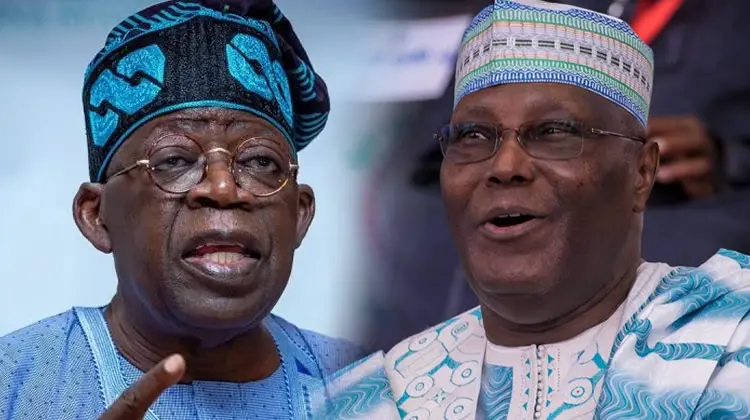
The Senior Special Assistant on Public Communication to former Vice President Atiku Abubakar, Mr. Phrank Shaibu, has criticised President Bola Tinubu for what he described as a “reactionary” and “embarrassing” reversal of the presidential pardon earlier granted to convicted drug traffickers, kidnappers, and other serious offenders. In a statement issued yesterday, Shaibu accused the administration of lacking foresight and moral conviction, noting that the decision to revoke the clemency came only after widespread public outrage. “Once again, Nigerians have witnessed a government that doesn’t lead but reacts. President Tinubu has rescinded his own pardon for drug traffickers, kidnappers, and other hardened criminals — but only after Nigerians shouted loud enough to wake him from his moral slumber,” he said. He described the President’s move as “an act of shame, not wisdom,” and questioned the process that produced the controversial list of pardoned individuals. Shaibu demanded clarification on who compiled the list, the criteria used to select beneficiaries, and the role of the Attorney-General of the Federation in the exercise. “This pattern has become too familiar — announce the unthinkable, wait for public outrage, then reverse course as if governance were a game of trial and error,” he added. According to him, a presidential pardon “is not a social experiment” but a constitutional duty that should embody justice, mercy, and national interest. Shaibu further urged the government to publish the names and offences of those initially slated for pardon, arguing that transparency was the only way to regain public confidence. “If the President truly means well, let him release the list of those meant to benefit from this scandal. Until then, this reversal remains mere damage control — too little, too late,” he stated. He concluded that the incident reflects what he called the administration’s “governance without foresight, without empathy, and without shame.”

4-2.jpg

5min6600
A new economic review by Quartus Economics has called on the Central Bank of Nigeria (CBN) to introduce higher-value currency denominations — such as ₦10,000 and ₦20,000 notes — to restore the naira’s portability and curb the increasing cost of cash transactions. The report, titled “Is Africa’s Eagle Stuck or Soaring Back to Life?”, noted that the persistent depreciation of the naira has rendered the current ₦1,000 note, Nigeria’s highest denomination, almost ineffective in terms of purchasing power. “To make the naira portable again, Nigeria can introduce higher-value bills such as ₦10,000 or ₦20,000 notes, or redenominate the currency entirely,” the report stated. According to Quartus analysts, a ₦5,000 note proposed in 2012 would now have the same value as a ₦50,000 note today, highlighting a 94% decline in the naira’s real value over the past two decades. They dismissed fears that higher denominations could fuel inflation, describing such claims as a “myth unsupported by evidence.” “Inflation is either cost-push or demand-pull — neither is driven by currency denomination,” the report explained. “Countries typically introduce higher-value notes to preserve portability after prolonged depreciation, not to cause inflation.” When the ₦1,000 note debuted in 2005, it was worth nearly $7 at the official exchange rate. Today, it’s valued at less than 60 cents, reflecting the sharp erosion in the naira’s purchasing power. Quartus Economics further observed that this depreciation has made day-to-day transactions cumbersome, especially in the informal sector, where cash remains dominant. Traders, artisans, and rural dwellers now move around with large bundles of cash to complete simple transactions that could easily be handled with a few higher-value notes. The report also highlighted the rising cost of printing, transporting, and securing lower-value notes, calling it a financial burden on the CBN.“Outside the formal sector and the urban elite, the naira’s heavy weight is slowing economic activity. The cost of producing and moving low-value notes is now unsustainable,” it stated. Quartus argued that introducing ₦10,000 and ₦20,000 notes—or undertaking a broader redenomination exercise—would enhance transaction efficiency, reduce operational costs, and bring Nigeria’s currency structure in line with other emerging economies. The report recalled that the CBN had once proposed a ₦5,000 note in 2012 under then-Governor Sanusi Lamido Sanusi, but the idea was abandoned after public backlash. Quartus now contends that the economic rationale for that policy remains valid, given the naira’s steep decline in value. The firm clarified that the proposed measure was not about printing more money, but about modernising the naira’s denominations to suit current realities and make financial transactions more practical. To illustrate the naira’s decline, Quartus compared the 2005 prices of essential items — a kilogram of imported rice and a one-way Lagos–Abuja flight — with current costs. The price of rice rose from ₦150 to ₦2,500, while flight fares jumped from ₦12,000 to over ₦150,000, indicating a 94% loss in value. “These figures clearly show how much purchasing power the naira has lost,” the report concluded. “Introducing higher-value notes is now essential to make the naira portable again.”