Blog - Edupreneur Select

Bring to the table win-win survival strategies to ensure proactive domination. At the end of the day, going forward, a new normal that has evolved from generation.
aaa3-1.webp

7min2750
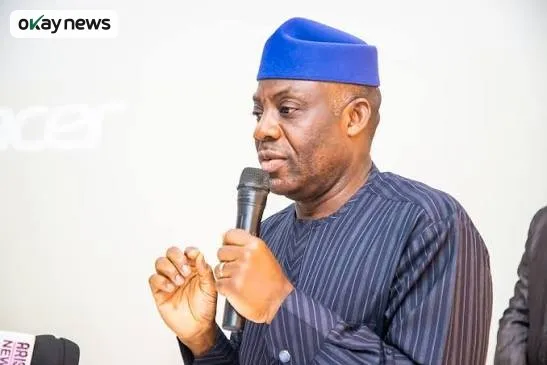
As Nigeria continues to grapple with the world’s highest burden of sickle cell disease, a senior registrar in community medicine and primary care at the Federal Medical Centre, Abeokuta, Ogun State, Dr. Solomon Olorunfemi, has said that the country must confront the disorder not only as a medical challenge but also as a societal one. Olorunfemi, who is also the founder of the Dr. Olorunfemi Life Foundation (DOLF), a non-governmental organisation focused on healthcare advocacy and support for vulnerable groups, stated that sickle cell disease could become a story of hope and resilience if society confronts it with knowledge and coordinated action. He noted that sickle cell disease could be mitigated through awareness, prevention, and timely medical intervention. Speaking in Abeokuta, the medical expert described SCD as one of the most common inherited blood disorders globally, with Nigeria bearing a disproportionate share of the global burden. He disclosed that an estimated 150,000 babies are born with the condition in Nigeria every year, the highest figure for any country in the world. This alarming statistic, he said, demands urgent national attention. According to Olorunfemi, SCD occurs when red blood cells that are typically round and flexible become rigid, sticky, and shaped like sickles or crescent moons. He explained that these malformed cells tend to block blood flow in the body, causing episodes of severe pain, chronic anaemia, organ damage, and other life-threatening complications. He added, “The disease manifests in different genetic forms, the most severe being HbSS, also known as sickle cell anaemia. “Other variants include HbSC and HbS beta-thalassaemia, both of which vary in severity but still require continuous medical care and emotional support.” The physician emphasised that SCD is not contagious but inherited when both parents carry the abnormal haemoglobin gene (HbS). According to him, a child stands a 25 per cent chance of inheriting the disease when both parents are carriers (AS genotype), while there is a 50 per cent chance the child will be a carrier, and another 25 per cent chance the child will be completely free (AA genotype). He noted that when one parent is AA and the other AS, none of their children will inherit the disease, although they may still be carriers. Olorunfemi stressed that this clear pattern of inheritance underscores the critical importance of genotype testing before marriage, adding that many families continue to suffer avoidable pain due to ignorance or disregard for this medical counsel. He noted that beyond personal responsibility, the government and stakeholders in the health sector must make genotype awareness and pre-marital counselling a public health priority. Describing the daily reality of those living with SCD, the public health expert said symptoms usually begin in early childhood and include unpredictable episodes of severe pain (known as pain crises), general fatigue due to chronic anaemia, swelling of the hands and feet in children, frequent infections, delayed growth, and eye complications. He noted that these symptoms are often aggravated by factors such as dehydration, infection, or exposure to extreme weather, all of which make regular hospital visits, proper hydration, and preventive care essential for survival. He warned that, without appropriate management, the disease can lead to devastating complications, including strokes (particularly in children), acute chest syndrome, a potentially fatal lung condition, kidney problems, leg ulcers, eye damage, priapism in males, and severe pregnancy-related complications in women living with the condition. While there is currently no universal cure for SCD, Olorunfemi highlighted that it is a condition that can be effectively managed, provided individuals and families are armed with the right knowledge and access to quality healthcare. He called for urgent expansion of newborn screening programmes, saying early diagnosis is crucial in preventing many of the diseases’ long-term complications. He urged schools, religious institutions, and community leaders to be active participants in educating the public about SCD, calling on them to incorporate genotype awareness and sickle cell education into their community engagements. The physician also noted that although scientific and medical advancements have significantly improved life expectancy for people with SCD, the real transformation must come from a society that is informed, empathetic, and proactive. He explained that many individuals living with SCD today are not just surviving but thriving, building families, pursuing careers, and becoming advocates for others. These stories, he said, are proof that the disease, though painful, can become a platform for strength, faith, and resilience. He stressed that sickle cell disease should no longer be seen as a curse but a condition that can be controlled and even overcome through informed decisions, early intervention, and communal support. “Nigeria can no longer afford to ignore the burden of this disease. “We must start with education, move to prevention, and build a healthcare system that supports those living with it. Sickle cell is not a death sentence. It is a challenge, yes, but one we can defeat, one family at a time,” he said.

Tech & Tools Desk20 October 2025
aa-3.jpeg

4min2210
The National Agency for Food and Drug Administration and Control (NAFDAC) has urged Nigerian pharmaceutical companies to invest in local vaccine manufacturing to strengthen the country’s preparedness for future public health emergencies. NAFDAC Director-General, Prof. Mojisola Adeyeye, made the appeal in a statement on Sunday, emphasizing that Nigeria must not wait for another pandemic before developing essential health infrastructure and production capacity. She noted that during the COVID-19 pandemic, Nigeria’s heavy dependence on international donors exposed the nation’s vulnerability—a situation that should not be repeated. “The country must not be caught unprepared again,” she cautioned. Adeyeye explained that NAFDAC had enhanced its regulatory framework for vaccines, biologics, and medical devices through restructuring and participation in the World Health Organisation’s global benchmarking programme for national regulatory authorities. She highlighted that the agency achieved WHO Maturity Level 3 status in 2022 for medicines and imported vaccines and had since created a dedicated unit for vaccines and biologics, as well as a specialised directorate to align Nigeria’s vaccine regulation with international standards. The Director-General expressed optimism that Nigeria would begin producing its own vaccines before the end of her tenure—an achievement she described as a personal commitment and a key step toward national pharmaceutical self-sufficiency. Adeyeye revealed that NAFDAC had established clear guidelines for epidemic and pandemic preparedness, stressing the need for Nigeria to reduce dependence on foreign aid during global health crises. She challenged local drug manufacturers to take bold action, asserting that Nigeria must assume full responsibility for its vaccine production capabilities. “To produce WHO-prequalified vaccines, a nation must attain at least Maturity Level 3 in regulatory oversight—an achievement Nigeria has already secured for imported medicines and vaccines,” Adeyeye said. According to her, NAFDAC has met eight of the nine WHO Global Benchmarking Tool modules, with local vaccine manufacturing being the final step to complete the process. She also noted that NAFDAC remains the only regulatory body in sub-Saharan Africa with an in-house laboratory for vaccines, biologics, and medical devices, unlike South Africa’s outsourced model. “Last year, WHO inspectors assessed our capacity for vaccine lot release and quality control,” Adeyeye added. “However, local production is essential to enable full facility inspections and complete WHO evaluation.” She concluded by expressing confidence that Nigeria is close to meeting the final requirement for full WHO recognition. “Once local vaccine production begins, we will achieve the last milestone. I am hopeful it will happen very soon,” she said.

James Obasi20 October 2025
aaa1.jpg

2min3870
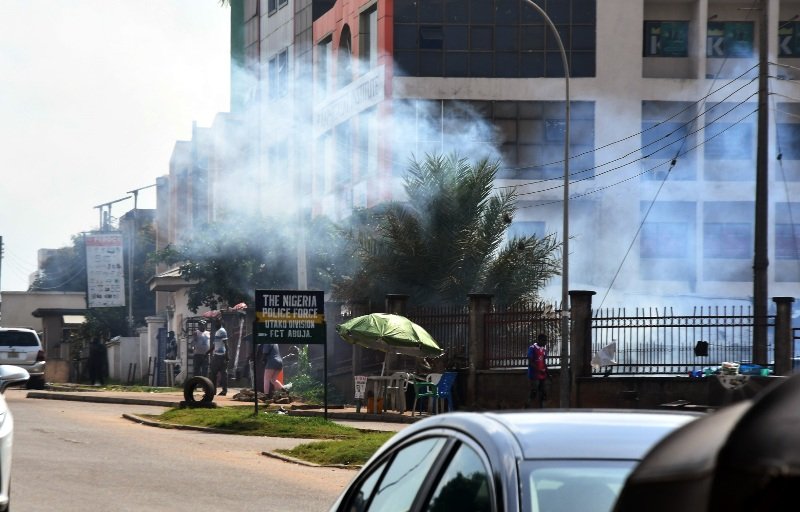
Police officers on Monday dispersed demonstrators calling for the release of the detained leader of the Indigenous People of Biafra (IPOB), Nnamdi Kanu, in the Utako area of Abuja. The protesters, who had earlier fled after police fired tear gas at them near the Maitama area, regrouped at Utako to resume their demonstration. Armed officers later arrived at the scene and dispersed the crowd once again. The group, comprising civil rights activists and members of pro-democracy organizations, participated in the #ReleaseNnamdiKanuNow campaign, urging the Federal Government to enforce the 2022 Court of Appeal judgment that discharged and acquitted Kanu. Earlier in the day, multiple rounds of tear gas were fired at protesters and passersby around the Transcorp Hilton and nearby streets in Maitama, causing panic and prompting traders, motorists, and commuters to flee. After regrouping at Utako, the protesters sang solidarity songs and displayed banners before being dispersed once more by security agents. Security across the Federal Capital Territory has since been intensified, with soldiers, police, and operatives of the Department of State Services deployed to key locations, including Eagle Square, the Federal Secretariat, and the Three Arms Zone. At the Berger roundabout, a large number of soldiers were also observed, with a gun truck positioned in the area.

aa-1.jpg

3min2070
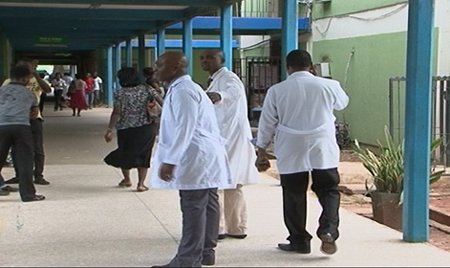
Health workers in Edo State have vowed to continue their ongoing strike action, despite the state government’s disapproval and efforts to resume negotiations. The Medical and Health Workers Union of Nigeria (MHWUN), Edo State Chapter, began a seven-day warning strike at midnight on Friday, following what it described as the government’s failure to respond to its demands after a 14-day ultimatum expired last Thursday. In a message circulated to members on Sunday, the union’s Public Relations Officer, Iduwe Endurance, reiterated the need for total compliance, warning that any deviation from the directive would not be accepted. “Total compliance is required, and anything short of that will not be tolerated,” the message stated. The union had earlier, in a statement signed by Chairman Osagie Ogbeide and Secretary Barivure Kpakol, instructed members to withdraw their services from all state and local government health facilities, pending a “genuine and concrete” response from the state government on their outstanding welfare-related demands. However, the Edo State Government, through a statement by Governor Monday Okpebholo’s Chief Press Secretary, Fred Itua, condemned the strike, calling it “ill-timed, unpatriotic, and unjustified.” The government expressed disappointment that the action came even as negotiations were ongoing. “The strike undermines the spirit of dialogue and reflects a lack of sincerity on the part of the union’s leadership,” the statement read. “Some of the issues raised, including the renovation of doctors’ quarters, are already receiving attention from the current administration. Many of these concerns were inherited from the previous government.” The government accused a section of the union leadership of pursuing personal financial interests, claiming that the refusal to meet “unlawful financial demands” led to the industrial action. “The strike seems driven by ulterior motives known only to a few individuals in the union’s leadership, rather than the broader interests of its members,” the government stated. “This action endangers the lives of vulnerable citizens in need of medical care and amounts to a betrayal of the medical profession’s core ethics.” Despite the backlash, union members remain resolute. Some workers who spoke anonymously on Sunday said they would only return to work if directed by the union leadership. “We stand with our leaders and hope that discussions will lead to a resolution before the end of the warning strike,” one member said. The state government has scheduled a meeting with union representatives for Monday (today) to continue discussions.

aa-5.jpeg

5min5090
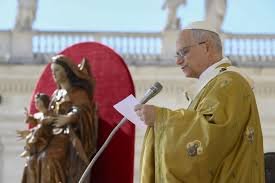
Vatican City – The bells of St. Peter’s Basilica rang out on Sunday as Pope Leo XIV canonised seven new saints in a landmark ceremony that drew tens of thousands of faithful to the Vatican, marking World Mission Day with a powerful celebration of global Catholic witness. Among those elevated to sainthood were the first saint from Papua New Guinea, a Venezuelan physician known as the “doctor of the poor,” an Armenian archbishop martyred during the 1915 genocide, and Bartolo Longo, a former Satanic priest who later returned to the Catholic faith and founded the Pontifical Shrine of the Blessed Virgin of the Rosary of Pompeii. The Pope, dressed in a ceremonial white cassock and mitre, presided over the solemn rite under clear skies in St. Peter’s Square, where large portraits of the seven newly canonised individuals were displayed from the surrounding windows. According to Vatican estimates, around 55,000 people were in attendance. “Today we honour seven new saints witnesses who, by God’s grace, kept the flame of faith alive,” Pope Leo said in his homily. “May their lives inspire us in our common calling to holiness and their intercession guide us through life’s trials.” Cardinal Marcello Semeraro, Prefect of the Dicastery for the Causes of Saints, formally presented the biographies of each candidate. The Pope then pronounced the official canonisation formula, declaring them saints of the Catholic Church prompting applause and prayerful celebration across the square. In his address, Pope Leo described the new saints as “martyrs,” “missionaries,” “founders,” and “benefactors of humanity,” praising their service, sacrifice, and enduring faith. This marked Pope Leo’s second canonisation ceremony since his election as pontiff on May 8. His first was held last month, when he canonised Carlo Acutis, the teenage internet evangelist known as “God’s Influencer,” and Pier Giorgio Frassati, an early 20th-century Italian known for his deep charity and social activism. The New Saints Among the newly canonised: Peter To Rot – A lay catechist from Papua New Guinea, martyred by Japanese forces during World War II for defending the Christian faith and opposing polygamy. Ignazio Choukrallah Maloyan – An Armenian Catholic bishop killed during the Armenian genocide in 1915 by Ottoman forces for refusing to convert to Islam. Jose Gregorio Hernandez Cisneros – A revered Venezuelan physician and layman who died in 1919. Known for his care for the poor, he was affectionately dubbed “doctor of the poor.” Maria Carmen Elena Rendiles Martinez – A Venezuelan nun born without a left arm, who founded the Congregation of the Servants of Jesus and dedicated her life to religious service. She becomes Venezuela’s first female saint. Bartolo Longo – An Italian lawyer and former Satanic priest who returned to Catholicism and became a lay Dominican. He is best known for founding a major Marian shrine in Pompeii. Vincenza Maria Poloni – Founder of the Institute of the Sisters of Mercy of Verona, which focused on serving the sick in hospitals in 19th-century Italy. Maria Troncatti – A missionary nun with the Daughters of Mary Help of Christians, who spent decades working with indigenous communities in Ecuador during the 1920s. The Path to Sainthood Canonisation is the final stage in the process of recognising sainthood in the Catholic Church. It typically requires evidence of at least two miracles, a demonstration of heroic Christian virtue, and that the candidate has been deceased for at least five years. Martyrs may be canonised with fewer requirements. Sunday’s event reflects Pope Leo’s stated commitment to highlighting diverse models of holiness from around the world men and women whose lives demonstrate the Church’s mission of faith, service, and compassion across cultures and continents.

Tech & Tools Desk19 October 2025
aa-4.webp

2min4290
The Federal Government has reaffirmed that English Language and Mathematics remain compulsory subjects for all students taking their Senior School Certificate Examinations (SSCE), despite recent changes to admission requirements into tertiary institutions. In a statement released on Sunday by the Federal Ministry of Education, the government clarified that the revised admission policy does not exempt any candidate from registering for or sitting the two core subjects. The clarification, signed by Boriowo Folasade, Director of Press and Public Relations, became necessary following public misinterpretations of the new O’Level admission framework. Minister of Education, Dr. Maruf Tunji Alausa, explained that the reform aims to enhance flexibility, fairness, and inclusivity in tertiary education admissions. According to him, the goal is to ensure that qualified candidates are not denied admission because of credit deficiencies in subjects not directly relevant to their intended fields of study. “The streamlining ensures that deserving students are not denied access to higher education due to credit deficiencies in unrelated subjects,” Alausa stated. He emphasized that while the new framework may relax credit pass requirements in English or Mathematics for specific programmes, all students are still required to register for and take both subjects in their SSCE. “All students must continue to take both subjects as part of their Senior School Certificate Examinations, as they remain vital components of a sound educational foundation,” the ministry stressed. The policy, the ministry said, supports the broader national objectives of inclusive education, equitable access, and human capital development, while maintaining high standards of quality and integrity in the education system. Parents, students, and other stakeholders were also advised to rely only on official channels and verified platforms of the Ministry of Education for accurate updates regarding reforms and policy changes. The ministry reiterated its commitment to building a credible, inclusive, and globally competitive education system, rooted in integrity, excellence, and equal opportunity for all learners.

James Obasi19 October 2025
aa-3.webp

3min5370
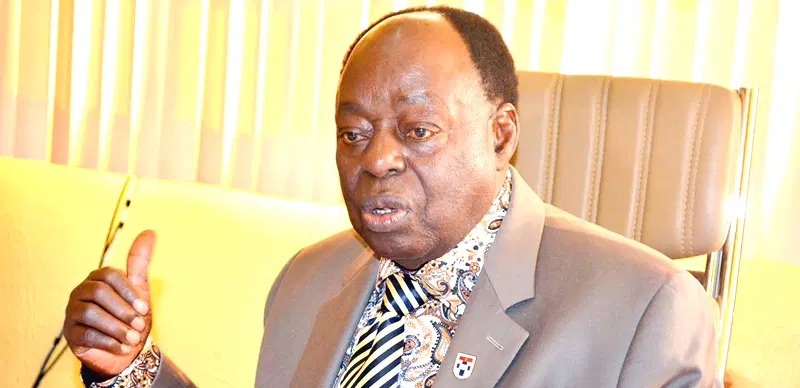
Renowned legal icon and founder of Afe Babalola University, Ado-Ekiti (ABUAD), Aare Afe Babalola, has raised alarm over Nigeria’s escalating debt profile, warning that it is tarnishing the country’s economic image and deterring foreign investment. Babalola made the remarks during the 2025 International Leadership Conference on Leadership, Governance, Sustainable Change, and Wealth Creation (2.0), held over the weekend in Ado-Ekiti. The event was jointly organised by ABUAD, Nigeria; Trinity Western University (TWU), Vancouver, Canada; and the African Centre for Leadership, Strategy, and Development (CentreLSD). Speaking on the conference theme, “Shaping Transformational Leaders for a Changing World: Tackling Insecurity, Governance and Development,” Babalola described it as timely, noting that Nigeria’s current financial situation is deeply concerning. He stated: “Records show that Nigeria is now a heavily indebted country, with total public debt reaching N152.4 trillion, or $99.7 billion. As a result, many foreign companies are reluctant to invest here. Banks have also raised concerns, stating that the Central Bank of Nigeria (CBN) is unable to honour government-issued promissory notes due to the Federal Government’s inability to meet its financial obligations.” Babalola warned that the country’s worsening debt crisis is eroding investor confidence and putting additional pressure on the domestic financial system. He called for urgent fiscal reforms and more responsible economic management to restore investor trust and promote sustainable development. He also referenced the Nigerian Constitution, stressing the government’s obligation to uphold democracy and ensure the welfare and security of its citizens: “Section 14 of the Constitution clearly states that sovereignty belongs to the people, and that the security and welfare of the people shall be the primary purpose of government.” In a keynote lecture titled “Transformational Leadership in an Insecure and Disruptive Era: Building Ethical, Resilient and Impactful Leaders for Africa,” Dr. Otive Igbuzor, founding Executive Director of CentreLSD, emphasised that transformational leadership is key to overcoming Nigeria’s challenges including corruption, poor governance, youth unemployment, gender inequality, and environmental degradation. According to Igbuzor, Africa needs a new wave of visionary leaders who can challenge outdated systems and drive innovation. He urged the Nigerian government to integrate leadership education across all levels of schooling, making it as fundamental as literacy. He added that ethical leadership, institutional integrity, inclusive governance, and continental collaboration must form the bedrock of Africa’s development strategy. In her remarks, ABUAD Vice-Chancellor, Professor Smaranda Olarinde, described the conference as timely and crucial. She highlighted the importance of global, regional, and public-private partnerships in addressing pressing issues such as insecurity, poverty, hunger, infrastructural deficits, and economic volatility.

aa-1.png

2min4530
The Lagos State Health Facilities Monitoring and Accreditation Agency (HEFAMAA) has issued a warning to residents, urging them to avoid patronising unregistered health facilities and unaccredited healthcare providers across the state. The warning was delivered during a public sensitisation programme held at the Oshodi/Isolo Local Government Secretariat, where the agency sought to educate residents on how to identify approved healthcare providers. Speaking on behalf of HEFAMAA’s Permanent Secretary, Dr Abiola Idowu, the agency’s Deputy Director of Inspection and Monitoring, Oladuni Omitola, emphasized that only HEFAMAA-accredited facilities should be used, noting that the agency was established to address serious gaps in healthcare delivery. “Health is wealth. We urge everyone to prioritise their well-being by visiting only government-accredited health centres,” she said. To enhance transparency and patient safety, she introduced a digital barcode system now available in all accredited facilities, allowing patients to verify registration status, lodge complaints, and offer feedback. Dr Idowu noted that since its inception in 2006, over 4,000 healthcare facilities have been documented in HEFAMAA’s registry. She also encouraged residents to enroll in the state’s health insurance scheme to gain easier access to medical care. Also speaking at the event, HEFAMAA’s Director of Administration and Human Resources, AbdulAzeez Jimoh, stressed that sanctions await facilities that violate professional standards. “Accredited facilities bear the symbol of Lagos State. If a facility fails to meet standards or performs exceptionally well, residents can scan the QR code displayed and report accordingly,” Jimoh explained. The agency reaffirmed its commitment to ensuring safe, quality healthcare delivery and urged the public to be vigilant and proactive when choosing healthcare providers.

aa-2.webp

1min4290
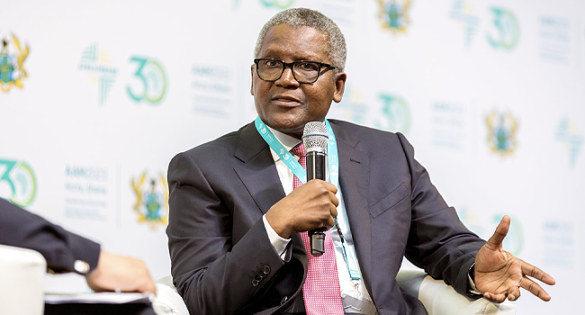
President and CEO of Dangote Group, Aliko Dangote, has called on Nigerians to prioritise locally made products as a crucial step toward strengthening the economy and creating employment. In a video message shared on Saturday by former presidential aide Reno Omokri via X (formerly Twitter), the billionaire industrialist urged citizens to choose Nigerian-made goods over imports, emphasizing that such choices promote self-sufficiency and national prosperity. “I want to encourage all Nigerians to buy only made-in-Nigeria. When you buy anything made in Nigeria, you are helping to create jobs,” Dangote said. “The only way for us to be a stronger nation is to patronise ourselves.” A longtime advocate for local production, Dangote’s business empire spans cement, sugar, salt, and now oil refining all aimed at reducing Nigeria’s reliance on foreign goods and boosting domestic industry. He concluded his message with a note of gratitude and hope, saying: “Thank you for watching, and may God bless you.”

Tech & Tools Desk18 October 2025
aa-1.webp

2min1680
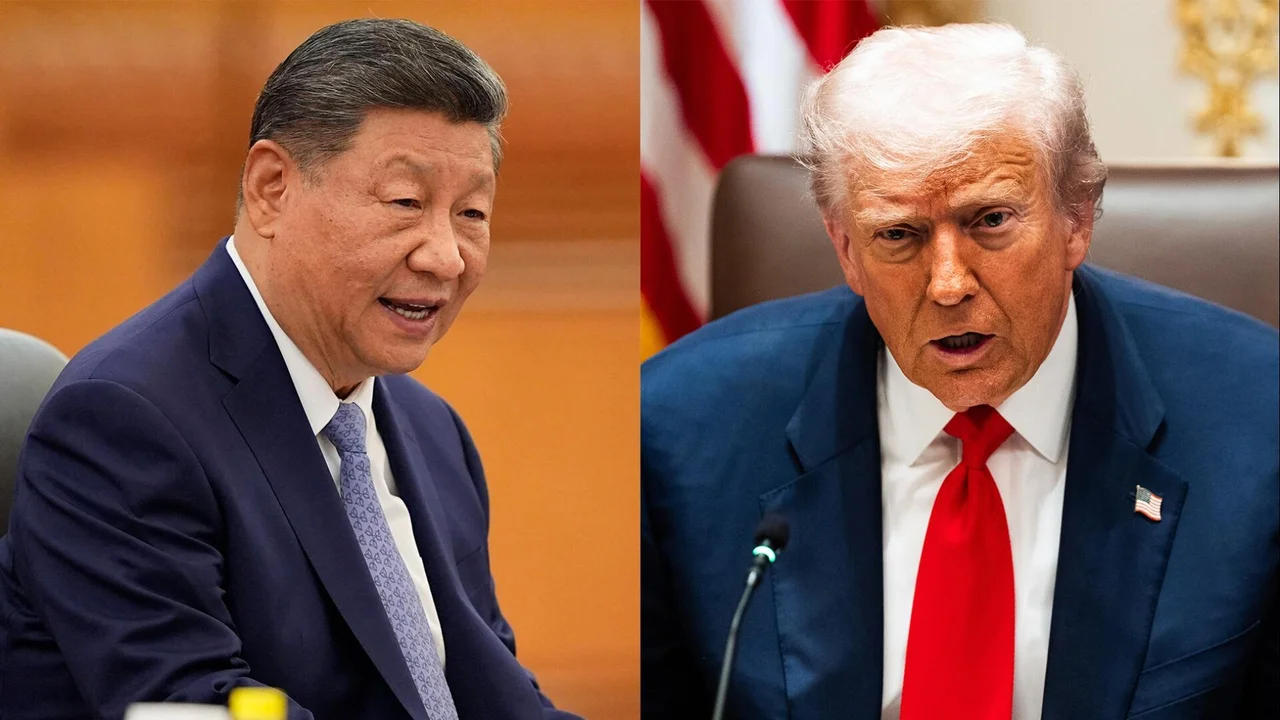
China and the United States have agreed to restart trade negotiations next week in a bid to ease mounting economic tensions and avoid a renewed tariff war between the world’s two largest economies. The decision follows a tense week, during which Beijing announced sweeping restrictions on rare earth exports, prompting US President Donald Trump to threaten 100% tariffs on Chinese imports. Trump had also hinted at cancelling a planned meeting with Chinese President Xi Jinping at the upcoming Asia-Pacific Economic Cooperation (APEC) summit in South Korea. However, hopes of de-escalation rose after Chinese Vice Premier He Lifeng and US Treasury Secretary Scott Bessent held what was described as a “candid and constructive” video call on Saturday. Both sides agreed to meet in person next week to continue discussions, according to reports from Chinese state media and Bessent’s own social media statement. US Trade Representative Jamieson Greer also joined the conversation, which reportedly focused on rare earth restrictions a key issue, as these materials are essential for everything from smartphones to military technology. Meanwhile, the US is working with G7 finance ministers to coordinate a response to China’s export controls. EU Economy Commissioner Valdis Dombrovskis confirmed that member nations would share intelligence and seek alternative suppliers, though he warned that diversifying rare earth sources could take years. German Finance Minister Lars Klingbeil voiced hope that a face-to-face meeting between Trump and Xi during the APEC summit could help ease tensions, noting G7 countries have taken a unified stance against China’s recent actions. IMF Managing Director Kristalina Georgieva also expressed optimism that both countries could reach a new understanding to prevent further economic fallout. The US-China trade dispute flared up again earlier this year after Trump’s return to office, with both sides imposing and later reducing high tariffs. While tensions have eased slightly, the underlying issues remain unresolved making the upcoming negotiations critical for the future of global trade stability.