Blog - Edupreneur Select

Bring to the table win-win survival strategies to ensure proactive domination. At the end of the day, going forward, a new normal that has evolved from generation.
bdd.jpeg

4min3430
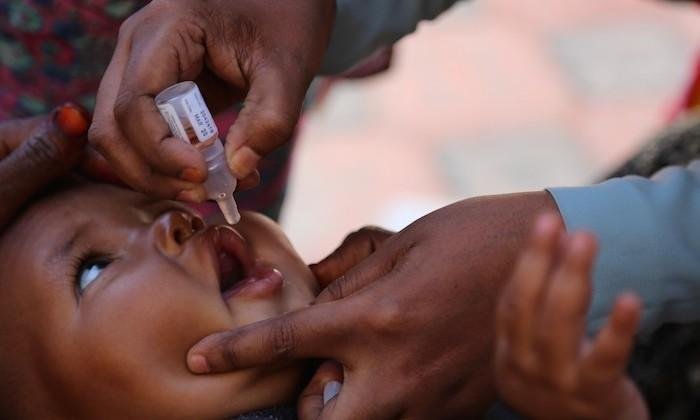
More than 46,842 children aged between nine months and 14 years have been vaccinated against Measles-Rubella in Makurdi Local Government Area within the first two days of the ongoing 10-day Integrated Immunisation Campaign, which began on October 18. According to the Makurdi Local Government Immunisation Officer, Andrew Tartenger, the exercise will run until October 27, with two additional days set aside for mop-up activities. Tartenger revealed that within the same period, over 47,305 children aged zero to 59 months also received the Novel Oral Polio Vaccine Type 2 (nOPV2). He added that the council received 228,980 doses of the Measles-Rubella vaccine, which were distributed across the 11 council wards. Commending parents and caregivers for their impressive turnout, Tartenger attributed the success to the massive mobilisation and sensitisation efforts carried out before the campaign began. “The acceptance of the vaccines has been encouraging. With the level of turnout, we are confident of meeting and possibly surpassing our target,” he stated. At the Makurdi Ultra Modern International Market, which currently shelters internally displaced persons (IDPs) from Yelewata in Guma LGA, over 766 children were vaccinated within the first three days. Supervisor of the vaccination post at the camp, Benedicta Aboh, said, “We started on Saturday and immunised 250 children. On Sunday, we had 251, and by Monday, 264. The turnout is impressive, and there has been no resistance.” Similarly, the Ward Focal Person for Ankpa/Wadata Ward, Grace Ande, noted that community engagement strategies helped eliminate past resistance to immunisation in Wadata. “We started mobilisation early, and religious leaders were key in spreading the message, especially in mosques,” she said. “Our projected target is 40,911 children, and we’re confident we will exceed it. We’re also visiting schools and worship centres to ensure no child is left out.” She emphasised the significance of the campaign, stating, “This is the first time Rubella vaccination is being administered in Benue, and its benefits are enormous. I encourage all parents to bring out their children.” The Executive Secretary of the Benue State Primary Health Care Board, Mrs. Grace Wende, represented by the State Immunisation Officer, Innocent Adega, described the programme as an integrated immunisation campaign covering both Measles-Rubella and routine immunisations. Adega disclosed that the state deployed 1,110 fixed teams and 1,274 house-to-house teams across the 23 LGAs to ensure full coverage. In total, 2.7 million doses of Measles-Rubella vaccines and 2.3 million doses of Oral Polio Vaccines were received for the exercise across Benue State. A mother, Mrs. Hadisa Adamu, who brought her baby for immunisation at Wadata Primary Health Centre, expressed gratitude to UNICEF, the Federal Government, and other partners for supporting the programme. “We’ve been told about the dangers of Rubella, including the risk of giving birth to children with health challenges,” she said. “That’s why we are ensuring every child within the age bracket is vaccinated. We appreciate everyone who made this possible.”

Tech & Tools Desk21 October 2025
bc-1280x874.avif

3min4130
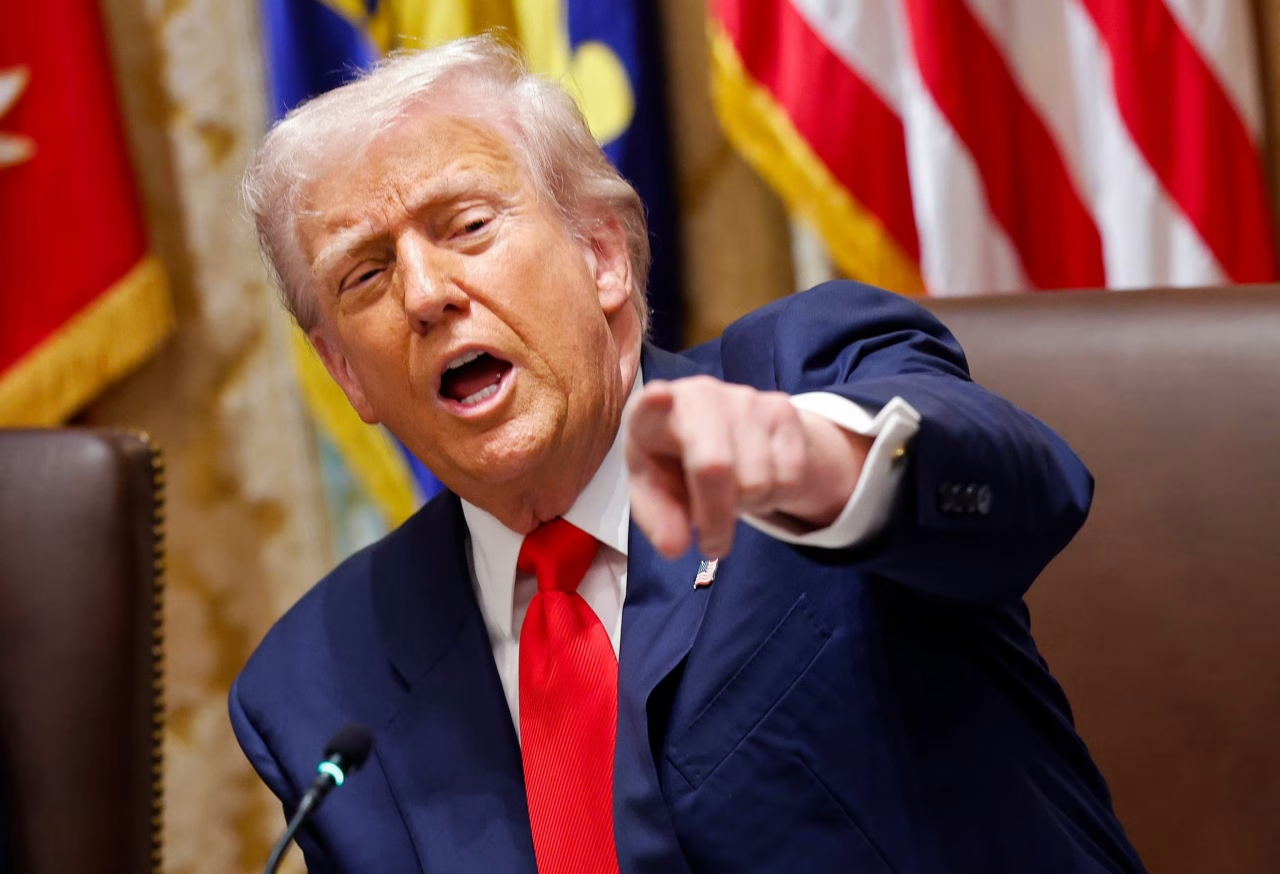
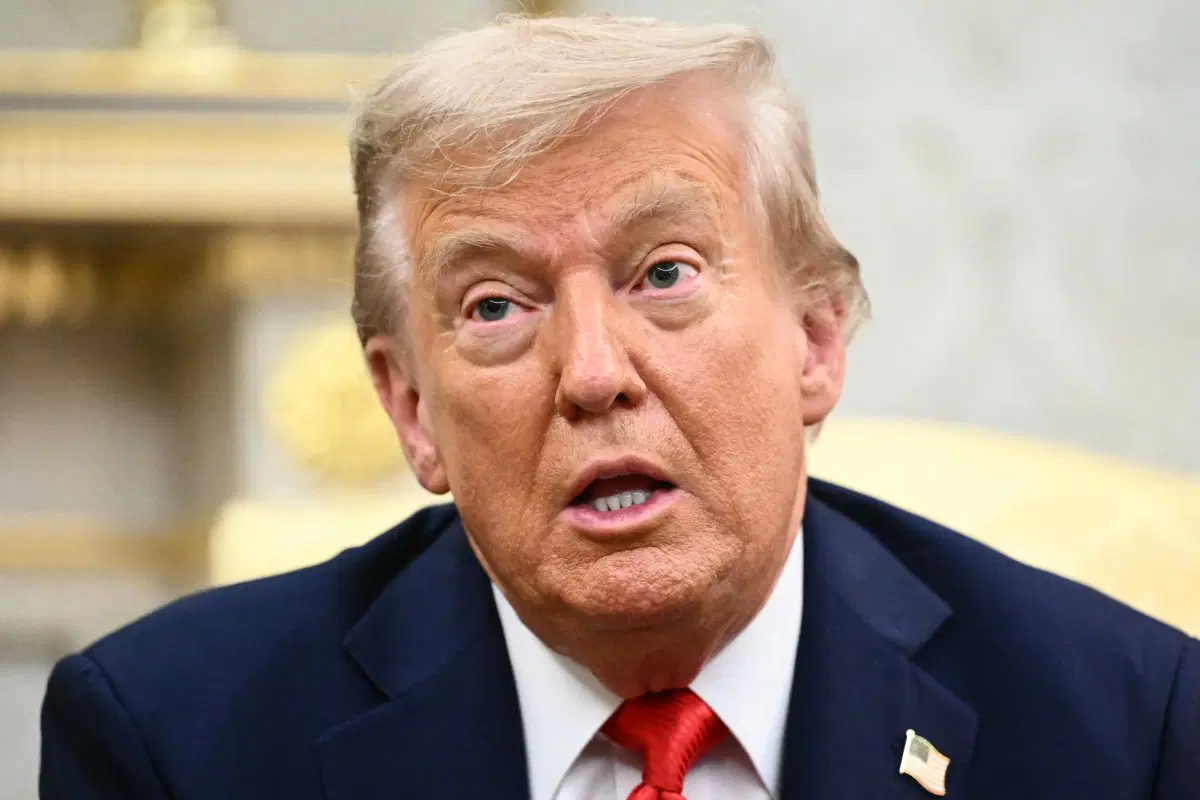
U.S. President Donald Trump on Monday warned that Hamas would be “eradicated” if it breaches the Gaza ceasefire agreement with Israel but said he would give the group a chance to honor the truce. Vice President J.D. Vance traveled to Israel shortly after Trump’s remarks, joining two top U.S. envoys already in the region, as renewed violence threatened the fragile peace deal. Speaking at the White House while hosting Australian Prime Minister Anthony Albanese, Trump said, “We made a deal with Hamas — they’re going to behave, they’re going to be nice. And if they’re not, we’re going to eradicate them. They’ll be eradicated, and they know that.” The Gaza deal, brokered nearly two weeks ago, has faced repeated challenges, with Israel accusing Hamas of delaying the handover of hostages and continuing attacks. Trump also warned Hamas against carrying out public executions of rivals or alleged collaborators as it seeks to regain control over the war-torn territory. He clarified that American troops would not take direct part in any action against Hamas, noting that several countries had agreed to contribute to an international stabilization force for Gaza. “Israel would go in within minutes if I asked them to,” he said. “But we’re giving this a little time, hoping for less violence.” According to Trump, Hamas is now significantly weaker, and Iran — its key regional ally — is unlikely to intervene following U.S. and Israeli strikes earlier in the year. “They don’t have the backing of anybody anymore,” Trump added. “They have to be good. And if they’re not, they’ll be eradicated.” Trump’s special envoy Steve Witkoff and adviser Jared Kushner met with Israeli Prime Minister Benjamin Netanyahu on Monday to discuss developments in the region. Vice President Vance and his wife, Usha, later departed Washington for Israel for additional talks with Israeli officials.

James Obasi21 October 2025
ba.jpg

6min3660
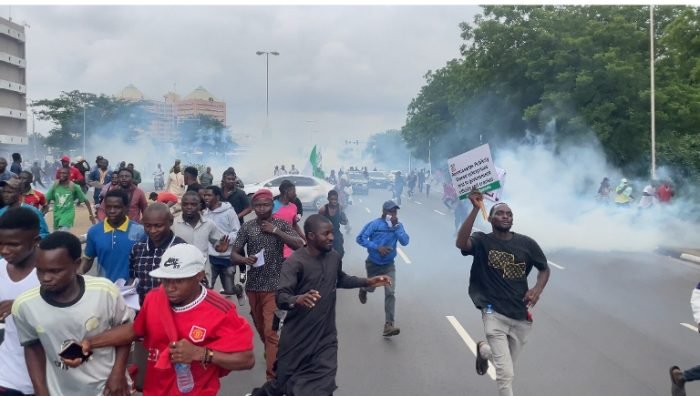
A coordinated wave of demonstrations demanding the release of the detained leader of the Indigenous People of Biafra (IPOB), Nnamdi Kanu, swept through the Federal Capital Territory and major cities across the South-East on Monday, disrupting commercial activities and grounding transportation networks. The protest, organized by activist and former presidential candidate Omoyele Sowore, leader of the #RevolutionNow movement, triggered a massive deployment of security personnel around critical government facilities, including the Three Arms Zone — home to the Presidential Villa, National Assembly, and Supreme Court. By early morning, heavily armed security operatives had cordoned off major access routes to the area, restricting movement and intensifying stop-and-search operations. Armoured vehicles and patrol trucks were stationed at key intersections, while federal civil servants faced temporary delays accessing ministries within the central business district. In Abuja, protesters who converged at the Unity Fountain were dispersed by combined teams of police, soldiers, and operatives of the Department of State Services (DSS) as they attempted to march towards the Presidential Villa. The dispersal operation led to significant traffic gridlock across the capital city, especially along the Nyanya–Mararaba axis and Airport Road. Security presence was also heightened around Eagle Square, the Federal Secretariat, and other strategic points to prevent a possible escalation. The protest was part of renewed calls for the Federal Government to comply with existing court rulings ordering Kanu’s release. The IPOB leader, arrested and extradited from Kenya in 2021, has remained in DSS custody despite multiple court decisions granting him bail. Supporters of Kanu have repeatedly expressed concern over his health, urging the government to allow him access to medical care. However, the Federal Government maintains that Kanu faces serious charges bordering on treasonable felony and terrorism. Speaking on the motive behind the demonstration, Sowore said the protest aimed to highlight the government’s “blatant disregard for the rule of law,” adding that peaceful assembly is a constitutional right. The Nigeria Police Force later defended its dispersal of protesters, stating that officers acted lawfully in enforcing a court order that restricted access to sensitive government zones, including the Presidential Villa and National Assembly. Force Public Relations Officer, Benjamin Hundeyin, clarified that only tear gas was used to control the crowd and that no live ammunition was fired. The Nigeria Security and Civil Defence Corps (NSCDC) also condemned the demonstration, describing it as an “anti-government protest disguised as a campaign for justice.” The agency confirmed that over 50 individuals had gathered at its national headquarters, prompting the deployment of additional security operatives nationwide to protect critical infrastructure. Across the South-East, the impact of the protest was widespread. Cities such as Enugu, Aba, Owerri, and Onitsha experienced total lockdowns, with banks, schools, and markets shut down. In Umuahia and Aba, supporters of the movement sang solidarity songs and called for Kanu’s release through peaceful dialogue. Several Igbo socio-cultural leaders appealed to the Federal Government to resolve the issue through negotiation and reconciliation. They stressed that releasing Kanu would promote peace, unity, and national healing. In Anambra State, residents observed a total sit-at-home, with major markets like Onitsha Main Market and Nkwo Nnewi closed. Although authorities had earlier discouraged the practice, traders and transport operators stayed indoors in solidarity. The Commissioner of Police, Ikioye Orutugu, assured residents of adequate security and reiterated the command’s commitment to maintaining peace and order. Similar scenes were recorded in Ebonyi, where economic activities were halted despite the absence of physical marches. Major streets and markets were deserted as security personnel maintained patrols to forestall possible unrest. In Ondo State, many Igbo traders joined the protest symbolically by shutting their shops. In Akure, commercial areas such as Arakale and Oyemekun roads were quiet, with traders saying the action was a show of solidarity for Kanu’s release. Security agencies across the affected states maintained heavy patrols throughout the day, ensuring that the demonstrations did not degenerate into violence.

aaa12.webp

1min5010
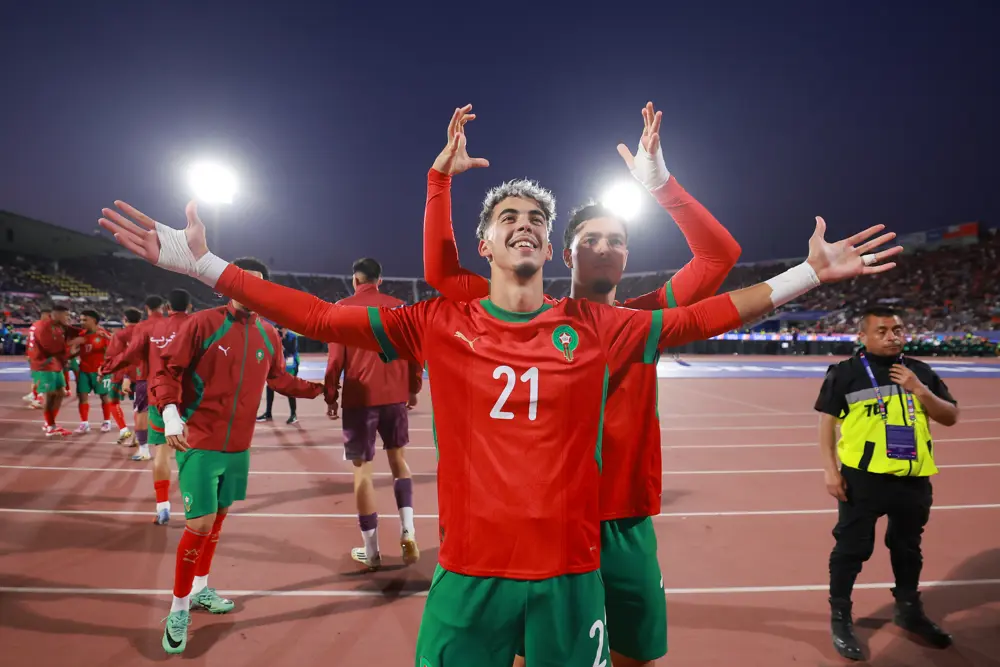
The FIFA U-20 World Cup in Chile concluded with Morocco making history as champions after a 2–0 victory over Argentina, powered by a stunning brace from teenage star Mohamed Zabiri. This triumph marks Morocco’s first-ever U-20 World Cup title, making them only the second African nation—after Ghana in 2009—to lift the trophy. The North Africans enjoyed an impressive campaign, winning all their matches except a narrow loss to Mexico in the group stage. Below is the complete list of award recipients from the tournament: Othmane Maamma (Morocco) – Golden Ball (Best Player of the Tournament) Yassir Zabiri (Morocco) – Silver Ball (Second Best Player) Milton Delgado (Argentina) – Bronze Ball (Third Best Player) Benjamin Cremaschi (USA) – Golden Boot (Top Scorer, 5 goals) Neyser Villareal (Colombia) – Silver Boot (Second Highest Scorer, 5 goals) Lucas Michal (France) – Bronze Boot (Third Highest Scorer, 4 goals) Santino Barbi (Argentina) – Golden Glove (Best Goalkeeper, 4 goals conceded in 7 matches) USA – Fair Play Award (Outstanding Sportsmanship and Discipline)

Donald-Trump-2-1.webp

4min3060
U.S. President Donald Trump said Sunday that the ceasefire in Gaza remains in effect, despite a series of Israeli airstrikes following accusations that Hamas violated the truce. Israel launched dozens of strikes on Hamas targets in southern Gaza after alleging that its troops were attacked in what it called a “clear breach” of the nine-day-old ceasefire. When asked by reporters if the truce was still in place, Trump replied, “Yeah, it is.” The U.S. president, who helped mediate the agreement, suggested that any ceasefire violations were carried out by “rebels within” rather than Hamas leadership. “We want to make sure it’s peaceful with Hamas,” Trump said. “It’ll be handled firmly but properly.” Gaza’s civil defense agency reported that at least 45 people were killed across the territory in the strikes, a figure confirmed by four local hospitals. The Israeli military said it was verifying reports of casualties. The army stated it had “renewed enforcement of the ceasefire” but warned it would respond firmly to any violations. Hamas denied targeting Israeli forces, accusing Israel of creating “false pretexts” to restart hostilities. According to a security official, Israel has also paused the entry of humanitarian aid into Gaza, citing the alleged ceasefire violations. The ceasefire, which took effect on October 10, ended more than two years of intense conflict between Israel and Hamas. It included terms for hostage and prisoner exchanges and a roadmap for Gaza’s reconstruction, though its implementation has faced challenges. Israel confirmed that two of its soldiers were killed in clashes in Rafah, prompting retaliatory airstrikes and artillery fire. Witnesses in Gaza said fighting resumed in the city, with one resident describing the situation as “as if the war has returned anew.” Images from central Gaza showed residents fleeing bombardments and wounded civilians arriving at hospitals. Israel’s defense minister warned Hamas would “pay a heavy price for every attack,” while Hamas reiterated its commitment to the ceasefire, accusing Israel of violating the deal. Meanwhile, U.S. Vice President JD Vance urged Gulf nations to help build a “security framework” ensuring Hamas’s disarmament — a key component of Trump’s peace plan. Under the arrangement, Israeli forces have withdrawn from parts of Gaza but still control about half the territory, including its borders. Hamas has released 20 hostages and is returning the bodies of those who died, while Israel has handed over 15 Palestinian bodies, bringing the total to 150. The war, which began after Hamas’s October 7, 2023 attack on Israel, has killed more than 68,000 people in Gaza, according to the territory’s health ministry — figures the United Nations considers credible. Over half of the victims are women and children. In Israel, 1,221 people, mostly civilians, were killed in the Hamas attack, according to official figures.

aaa10-1280x790.jpg

4min3850
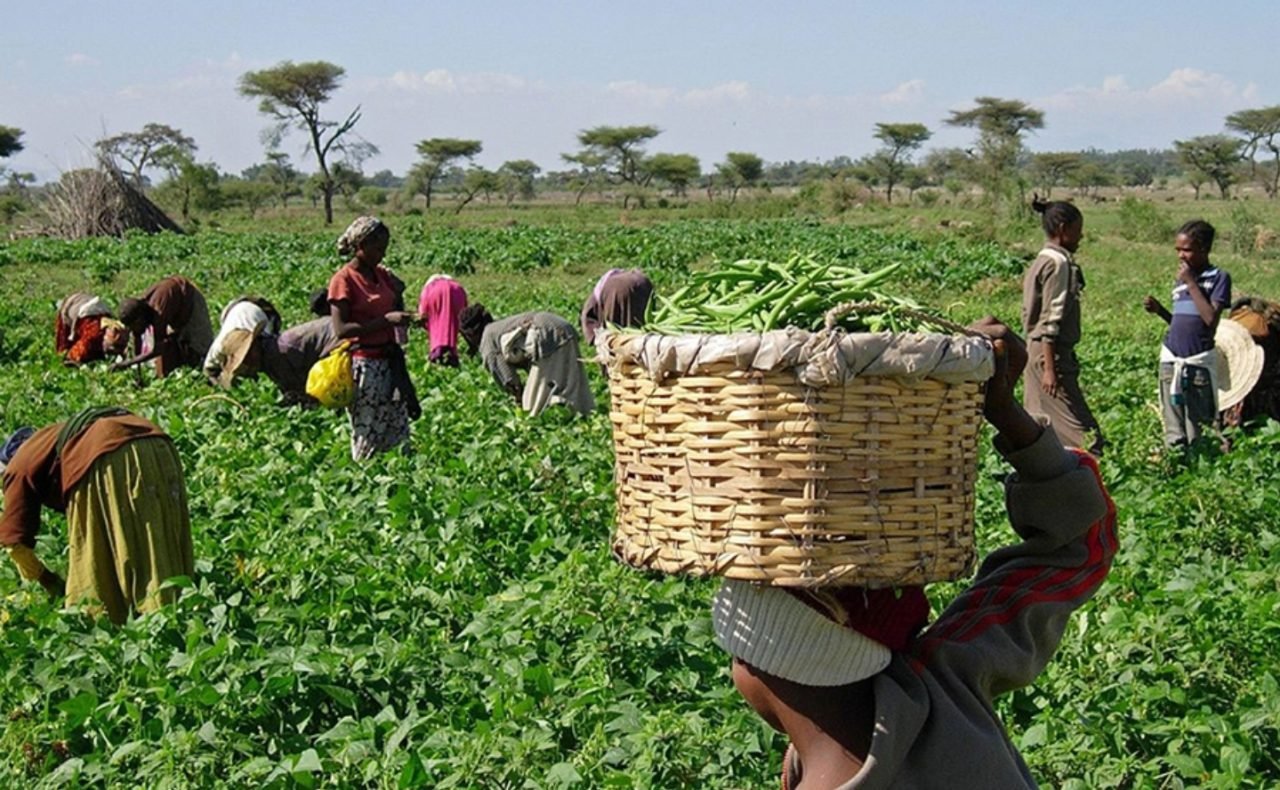
It appears that the era when Nigerians relied heavily on banks or investment firms for saving money is gradually fading. Many people are now turning to traditional methods of investment, particularly in farm produce storage, as a more profitable alternative. Recent findings show that a growing number of Nigerians are buying agricultural products in bulk, storing them until they become scarce and prices rise, and then selling for profit. For some, this approach has become a lifeline in the face of economic hardship. Ahmedu Memunat, a tailor, shared her experience:“Before now, I used to save all my money in the bank throughout the year and earned almost nothing in return. But this year, a friend introduced me to the palm oil business. I invested ₦400,000, and within a few months, my money doubled. Many of my friends are doing the same to survive. I plan to continue with this alongside my tailoring work.” This age-old saving method, once common in rural communities, is now being revived by modern Nigerians seeking better returns. While it requires patience — since stored goods may take months to appreciate — the eventual profit keeps investors motivated. Mrs. Sadiat Akhigbe, a civil servant, also adopted the idea:“I never thought I’d go into such a business. A few months ago, a colleague gave me ₦500,000 to keep for her until December. Around that time, a friend told me about buying and reselling Ogbono (African bush mango). I decided to try it with the money. Thankfully, it paid off — I made enough profit to return the capital and still had gains. I plan to do it again next year.” Further investigation revealed that many participants fund these ventures through thrift contributions (locally known as ajo or esusu), which allow them to collect lump sums to invest in goods. One hairdresser, Mrs. Okoli Judith, explained:“I join two thrift groups and take an early turn so I can collect the money, buy goods, and store them. It’s not easy — I have to sacrifice a lot — but when I finally sell, I can take care of my family and bills. My husband also contributes, and together we reinvest. It’s about teamwork and survival.” She added that limited access to credit facilities has forced many small business owners to explore such alternatives.“The banks won’t give small individuals like us loans without collateral, and even if they do, the interest rates are too high. So, this is the best way for us to make our money work,” she said.

Tech & Tools Desk20 October 2025
aaa8.jpeg

2min3380
The Director of Public Affairs and Consumer Protection at the Nigerian Civil Aviation Authority (NCAA), Michael Achimugu, announced on Monday via his official X handle that Ethiopian Airlines has paid its sanction fee for consumer protection violations. He noted that with this payment, all three international airlines penalized by the NCAA in 2025 have now fully complied with the Authority’s directives. Achimugu clarified that the sanctions were not meant to punish but to correct lapses and enhance service delivery, ensuring that all airlines operating in Nigeria comply with established consumer protection regulations. “The sanctions are designed to help operators improve their services, not to punish them,” he stated. Reiterating the agency’s commitment to fair regulation, Achimugu emphasized that the NCAA remains dedicated to protecting the rights and interests of all aviation stakeholders — including passengers and operators. Earlier in the year, the Authority had sanctioned three international airlines for violations related to poor customer service and infringement of passenger rights.

James Obasi20 October 2025
aaa6.png

2min8140
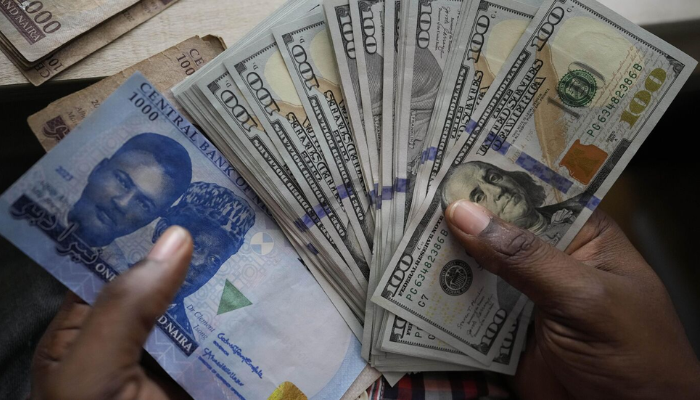
The naira showed a mixed performance on Monday, with official exchange rates holding steady while the parallel market remained weaker, reflecting persistent dollar scarcity and strong demand from importers and retail traders. Exchange Rates: Official (CBN/NFEM volume-weighted average): ₦1,467.43 per US$1 Interbank/Spot Market: Around ₦1,468–₦1,475 per US$1 Parallel/Black Market: Buy at ₦1,480 — Sell at ₦1,500 per US$1 Market Overview:At the official market, the Central Bank’s Daily Nigerian Foreign Exchange Market (NFEM) rate — the benchmark used for official transactions — hovered in the mid-₦1,400 range on Monday. Data from interbank sources showed the dollar trading between ₦1,467 and ₦1,475, depending on market timing. However, in the parallel market, street traders offered weaker rates, buying the dollar at about ₦1,480 and selling around ₦1,500, underscoring the continued pressure from limited foreign currency supply. Reasons Behind the Gap:Experts attribute the persistent gap between the official and street market rates to ongoing dollar shortages amid high demand from businesses and individuals. While recent monetary policy adjustments — including the Central Bank’s September rate cut and tighter FX management — have helped stabilize trading, structural supply constraints continue to drive up parallel market prices. Implications: For consumers: Prices of imported goods and services may remain high due to elevated parallel market rates. For businesses: Companies reliant on foreign exchange may face increased costs when sourcing dollars from the street market. For households receiving remittances: Recipients may get higher naira value through the parallel market, though official channels remain more secure and traceable for large transactions.

aaa7.jpg

4min5770
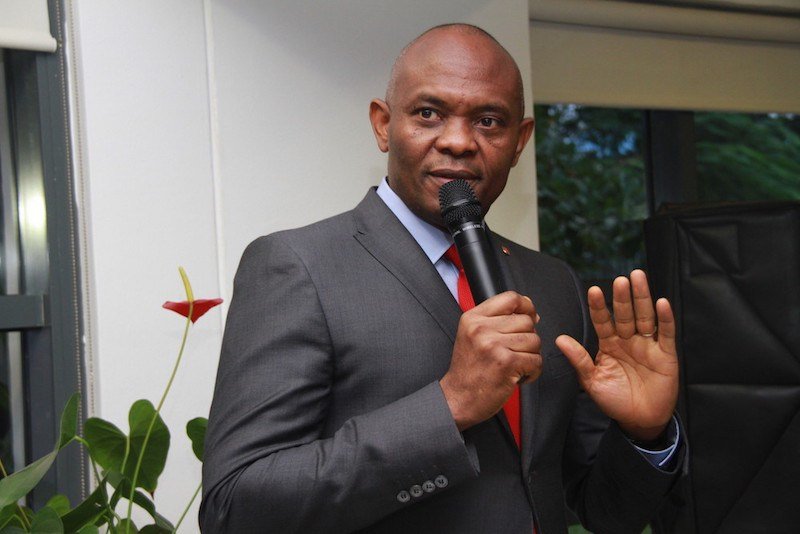
During the ongoing annual meetings of the World Bank and International Monetary Fund (IMF) in Washington, D.C., Chairman of United Bank for Africa (UBA) Plc and Founder of the Tony Elumelu Foundation, Tony Elumelu, emphasized the urgent need for Africa’s inclusion in the global digital and artificial intelligence (AI) revolution. Speaking at a seminar themed “Boosting Productivity Growth in the Digital Age,” Elumelu underscored that Africa must not be left behind as global systems for digital governance and AI frameworks are being designed. “My message is simple — Africa must be included. The world must be intentional about ensuring Africa has a seat at the table where the rules and protocols for AI are shaped,” he said. “Digital inclusion is economic inclusion. Transformation should not only drive productivity but also democratize prosperity.” Elumelu noted that Africa has shown great potential in past technological shifts, citing the mobile money revolution as an example, and urged the continent to seize the current opportunity presented by the digital and AI era. However, he stressed that reliable electricity supply remains a major obstacle to progress. “Over half of our population still lacks access to electricity — this is unacceptable. African governments must fix the power challenge if they truly want to address youth unemployment and drive transformation,” he added. The UBA Chairman also highlighted findings from the newly released UBA White Paper, “Banking on Africa’s Future: Unlocking Capital and Partnerships for Sustainable Growth,” which was launched on the sidelines of the meetings. The report shows that Africa holds over $4 trillion in untapped economic potential. Elumelu explained that mobilizing domestic financial resources is key to unlocking growth: “Nations that developed did so by leveraging internal capital first. If we can mobilize our $4 trillion effectively, we will attract even greater foreign investment.” He emphasized that execution, not discussion, should now take center stage. “Talking is less than one percent of the work. What matters is getting things done. We’ve said ‘Africa is rising’ for over 25 years — now is the time to act, starting with solving the power crisis,” he stated. Commenting on the role of sovereign and pension funds, Elumelu pointed out that much of Africa’s wealth is currently invested in low-risk instruments rather than productive sectors. “Pension funds helped build great economies like the U.S. It’s time ours did the same. Investing only in treasury bills won’t develop Nigeria. We must channel funds into infrastructure, energy, and manufacturing — even if there are initial risks,” he advised. Elumelu concluded by reiterating that Africa’s progress depends on Africans taking ownership of their development agenda. “No one will build Africa for us. We must do it ourselves. Our capital, our resources, our commitment — that’s what will drive sustainable growth on the continent.”

aaa5-1.jpg

2min5130
ABUJA — Several residents were left stranded and frustrated on Monday morning following the heavy security barricades mounted at key locations across the Federal Capital Territory, leading to severe traffic congestion. The gridlock affected commuters from areas such as Bwari, Ushafa, Dutse, and parts of Kubwa, leaving many unable to reach the city centre. The security presence was heightened after activists, including Sahara Reporters publisher Omoyele Sowore, mobilised for a demonstration demanding the release of the detained leader of the Indigenous People of Biafra (IPOB), Nnamdi Kanu. The protesters had planned to march to the State House, the official residence of President Bola Tinubu. Traffic was also brought to a standstill along the Nyanya-Mararaba axis due to multiple security checkpoints. At Sokale, a motorist, Usman Jibrin, lamented being stuck in the same spot for over an hour. “If people are heading to the Villa, why should it affect those of us coming from the outskirts? Are they afraid protesters will be brought in from other areas? This is pure suffering, and God is watching,” he said.