Blog - Edupreneur Select

Bring to the table win-win survival strategies to ensure proactive domination. At the end of the day, going forward, a new normal that has evolved from generation.
James Obasi18 October 2025
aa-3.jpeg

2min4800
The Director General of the National Agency for Food and Drug Administration and Control (NAFDAC), Prof. Mojisola Adeyeye, has reaffirmed that mental health is a fundamental human right and stressed the need for robust regulation of psychotropic drugs to ensure safe, stigma-free access to care in Nigeria. Speaking at the 3rd Vanguard Mental Health Summit in Lagos, Prof. Adeyeye highlighted the critical link between mental health care and the strict oversight of controlled substances, warning that poor regulation could lead to abuse and erode public trust. “Mental health is a state of well-being that helps people manage life’s stress. Regulation goes beyond policy it’s about protecting lives,” she said. She noted that stigma remains a major barrier, preventing many from accessing effective medications for conditions like depression and anxiety. “People avoid treatment due to stigma, even when effective drugs exist,” she said. Prof. Adeyeye emphasized that strong, transparent regulation is not only essential for public safety but also for building confidence in Nigeria’s mental health system. She also called for cross-sector collaboration to address the dual challenges of drug abuse and mental health neglect. “We must all work together to end drug abuse and support mental health,” she added. Highlighting NAFDAC’s youth-focused efforts, she spoke about the “Catch Them Young” initiative, which targets schoolchildren nationwide to promote early education on drug misuse and mental health. “We train students to become ambassadors against drug abuse and stigma. We also partner with faith-based groups to foster a stigma-free environment,” she said. Prof. Adeyeye reaffirmed NAFDAC’s commitment to science-driven regulation, public awareness, and ensuring safe, equitable access to mental health care for all Nigerians.

14.png

4min4080
Nearly 900 million of the world’s poorest people about 80% of the global poor are directly exposed to climate-related hazards intensified by global warming, according to a new United Nations report released on Friday. These populations are bearing a “double and deeply unequal burden,” said Haoliang Xu, acting administrator of the United Nations Development Programme (UNDP), in a statement to AFP. “While no one is immune to the increasing impacts of climate change such as droughts, floods, heatwaves, and air pollution the poorest communities are suffering the most,” Xu said. He urged global leaders to treat climate action as a vital part of the fight against poverty, ahead of COP30, the UN climate summit scheduled for November in Brazil. The warning comes alongside an annual report co-published by the UNDP and the Oxford Poverty and Human Development Initiative. The study shows that 1.1 billion people in 109 countries approximately 18% of a population of 6.3 billion live in acute multidimensional poverty, measured by indicators such as child mortality, inadequate housing, limited access to education, electricity, clean water, and sanitation. Notably, half of this group are children. The report illustrates the grim reality of multidimensional poverty through real-life examples, including Ricardo, a day labourer from Bolivia’s Guarani Indigenous community near Santa Cruz de la Sierra. Ricardo lives in a crowded single-family home with 18 relatives, including three children, and lacks access to basic services like schooling, clean cooking, and sanitation. “This household’s daily life exemplifies the interconnected challenges of poverty,” the report stated. Sub-Saharan Africa, South Asia Face the Greatest Risks The report identifies sub-Saharan Africa and South Asia as the two regions most affected by multidimensional poverty and also among the most vulnerable to climate change impacts. Researchers analysed four major environmental risks: extreme heat, floods, drought, and air pollution. Poor households are disproportionately affected due to their dependence on sectors like agriculture and informal work, which are highly sensitive to climate shocks. “When environmental hazards occur repeatedly or simultaneously, they worsen existing poverty,” the report said. Key findings include: 608 million poor people face extreme heat 577 million are affected by air pollution 465 million live in flood-prone areas 207 million suffer from drought conditions 651 million are exposed to at least two of these risks 309 million experience three or more 11 million poor individuals are exposed to all four risks within a single year “These overlapping threats highlight that climate vulnerability and poverty are globally intertwined,” the report warned. Climate Change Threatens Development Gains The intensification of extreme weather events threatens to undermine decades of progress in development and poverty reduction. South Asia, for instance, has made notable advances in lowering poverty rates, yet 99.1% of its poor population remains exposed to at least one climate hazard. The report urges countries in vulnerable regions to adopt a new development path that integrates aggressive poverty reduction efforts with innovative climate strategies. With the planet continuing to warm, the situation is expected to deteriorate further especially for the world’s poorest nations, which face the highest exposure and have the least capacity to adapt. “Responding to these layered risks means prioritising both people and the planet,” the report concludes. “What’s urgently needed now is a shift from acknowledgment to rapid, coordinated action.” AFP

13-6.jpeg

5min2210
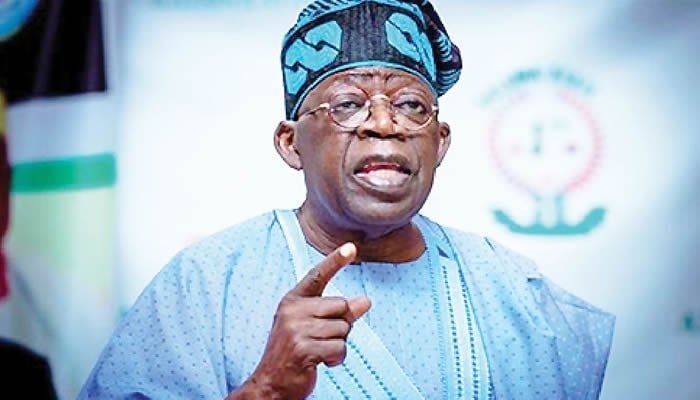
The Federal Government is preparing to roll out a nationwide campaign to promote Made-in-Nigeria goods and services under the “Nigeria First” policy, as part of broader efforts to boost the country’s manufacturing sector. President Bola Tinubu announced the initiative on Thursday during the fifth Adeola Odutola Lecture, hosted by the Manufacturers Association of Nigeria (MAN) in Lagos. The President was represented at the event by the Minister of State for Industry, Trade and Investment, Senator John Enoh. According to Enoh, the campaign is designed to redirect domestic demand toward locally produced goods that meet international quality standards, while also tackling Nigeria’s heavy reliance on imports. He noted that early research suggests the campaign could increase manufacturing output by as much as six percent and generate over 500,000 jobs within three years. Tinubu reaffirmed his administration’s commitment to supporting the growth of the manufacturing sector through targeted policies that encourage local production, consumption, and export. “No nation achieves sustainable prosperity without producing competitively and exporting at scale,” the President said. “Economic resilience begins in the factory and is sustained in the marketplace. We are committed to lowering structural costs and enabling Nigerian manufacturers to thrive both locally and globally.” He also outlined six core policy pillars of the “Nigeria First” agenda: Reforms in federal procurement Enforcement of quality and standards Export market expansion Improved access to finance Enhancements in energy, logistics, and skills development Strengthening of input security President Tinubu urged manufacturers to maintain high standards and transparency, and to work closely with government agencies by sharing accurate data on production capacity and pricing to help guide policy decisions. In his remarks, President of Dangote Group, Alhaji Aliko Dangote represented by former MAN President, Mr. Mansur Ahmed outlined eight key expectations from the Nigeria First policy. Dangote emphasized that for the policy to be effective, it must be institutionalised as a legally binding national strategy that can endure political transitions and withstand market fluctuations. He stressed that the policy must reflect global best practices while being rooted in Nigeria’s unique industrial context. Among the key expectations he listed were: Enacting the policy into law with enforcement mechanisms Ensuring consistency and stability of implementation Creating a national supplier registry Encouraging consumer engagement and cultural buy-in Incentivising backward integration Addressing infrastructure and energy challenges Expanding access to finance Leveraging the African Continental Free Trade Area (AfCFTA) for regional export growth “The Nigeria First Policy offers a bold path to sustainable industrialisation,” Dangote stated. “But its success hinges on strong legislation, institutional backing, and coordinated implementation across government and industry. It must produce measurable outcomes that focus on local value creation and national development.” He added that every country is competing to improve the living standards of its people, and Nigeria must act decisively to stay competitive. President of MAN, Otunba Francis Meshioye, commended the government’s ongoing reform efforts, including the Nigeria First policy. He said full legislation and rigorous implementation could significantly uplift the manufacturing sector and enhance the welfare of Nigerian citizens. However, Meshioye acknowledged that local manufacturers continue to face severe challenges, both from global economic pressures and domestic policy and macroeconomic constraints. He stressed that the Nigeria First policy is not just an industrial strategy, but a matter of national economic survival. “If we fail to intentionally support our own manufacturers, we risk becoming uncompetitive globally,” Meshioye warned. “MAN views this policy as a foundation for national resilience, job creation, foreign exchange savings, and technological advancement. Its success depends on firm legislation and unwavering execution.” The 5th Adeola Odutola Lecture and Made-in-Nigeria Exhibition took place from October 14 to 16 in Lagos.  NAN

Tech & Tools Desk17 October 2025
Donald-Trump-2-1.webp

4min2040
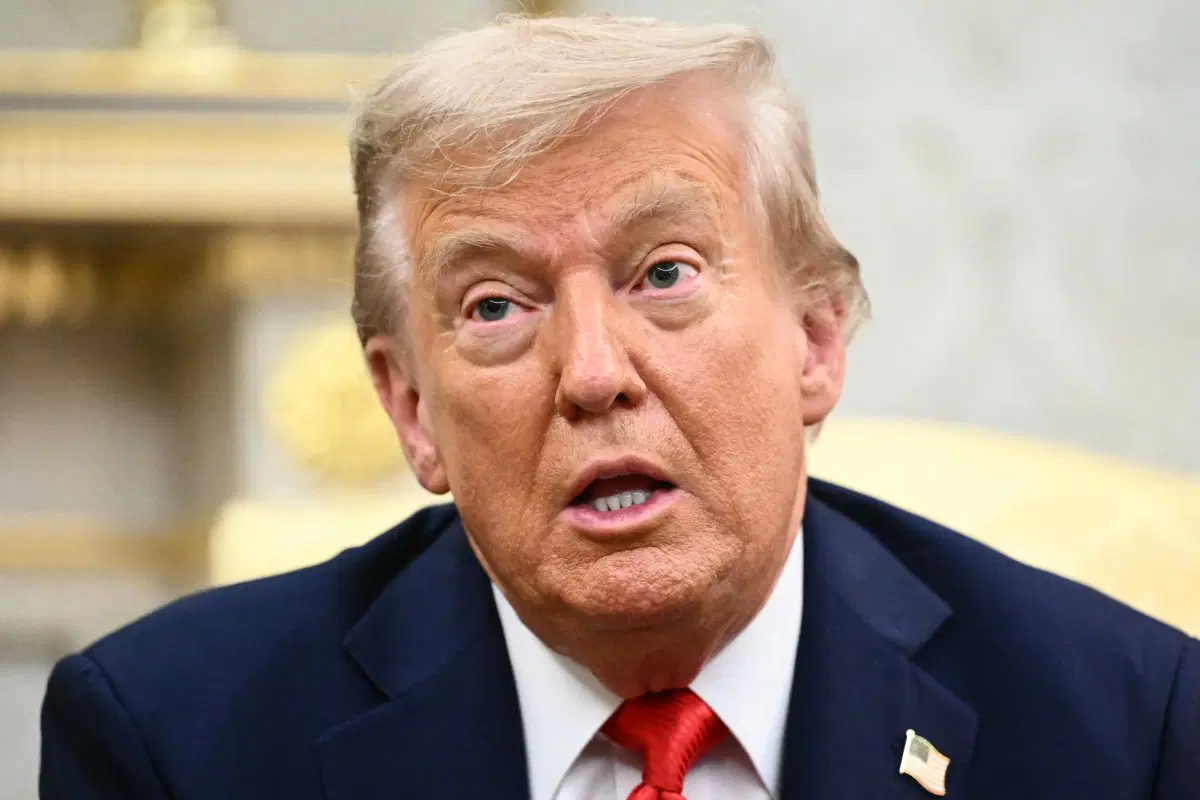
Asian and European stock markets followed Wall Street lower on Friday amid renewed concerns over credit markets, escalating trade tensions, fears of a tech bubble, and the ongoing US government shutdown. After months of steady gains and record highs, investors were shaken this week when US President Donald Trump intensified the tariff dispute with China, triggering retaliatory measures and disrupting a period of relative calm. Credit market worries have compounded investor anxiety, particularly after September bankruptcies by First Brands and subprime lender Tricolor both with significant outstanding debts to lenders. This week’s troubles deepened with Zions Bancorp reporting a $50 million charge-off linked to commercial loans from its California division, and Western Alliance revealing a borrower’s failure to provide promised collateral. These developments sparked a sell-off in mid-sized bank stocks, which spread across Wall Street, pushing all three major indexes into the red. The VIX Volatility Index, a key gauge of market anxiety, surged to its highest point since May, while safe-haven assets like gold reached a new record high of $4,379.93 per ounce. Silver also hit a fresh peak. Thursday’s events undermined the optimism that had driven markets earlier this year, with growing concerns that tech valuations boosted by AI enthusiasm may be unsustainable and vulnerable to a sharp correction. Rodrigo Catril of National Australia Bank noted, “The volatility in regional banks, combined with the collapse of subprime lender Tricolor Holdings, is causing investors to question the overall health of US credit markets.” The losses seen on Wall Street were mirrored across Asia: Hong Kong’s Hang Seng Index plunged 2.5%, Shanghai dropped 2%, while Tokyo and Taipei each fell over 1%. Other markets including Singapore, Sydney, Wellington, Bangkok, and Manila also closed lower. European markets followed suit, with London, Paris, and Frankfurt each declining by more than 1%. Trade tensions remained high after Washington and Beijing exchanged sharp warnings this week, following Trump’s Friday announcement threatening 100% tariffs on Chinese rare earth exports. Despite the uncertainty, Pepperstone analyst Michael Brown offered a cautiously optimistic outlook: “While the latest round of Trump’s tariff threats continues to hang over markets like the ‘Sword of Damocles,’ there has been little new information. My assumption is that these threats are negotiating tactics and that tensions will ease relatively soon.” Meanwhile, the US government shutdown continues with no resolution in sight, resulting in department closures and delays in crucial economic data that the Federal Reserve relies on for policy decisions. However, markets have been somewhat buoyed by expectations of at least one more rate cut by the Fed this year, driven by a series of reports indicating a weakening US jobs market. Crude oil prices extended losses amid worries over Sino-US tensions and news that President Trump plans to meet Russian President Vladimir Putin to discuss ending the Ukraine conflict. Market Snapshot (around 0715 GMT): Tokyo Nikkei 225: Down 1.4% at 47,582.15 (close) Hong Kong Hang Seng: Down 2.5% at 25,253.80 Shanghai Composite: Down 2.0% at 3,839.76 (close) London FTSE 100: Down 1.4% at 9,300.54 Currencies: Euro/USD: Up to $1.1705 from $1.1692 Pound/USD: Up to $1.3443 from $1.3436 Dollar/Yen: Down to 149.54 yen from 150.35 yen Euro/Pound: Up to 87.08 pence from 87.02 pence Oil Prices: West Texas Intermediate: Down 0.7% at $57.05 per barrel Brent Crude: Down 0.7% at $60.62 per barrel US Market Close: Dow Jones: Down 0.7% at 45,952.24 AFP

James Obasi17 October 2025
11.jpg

3min6780
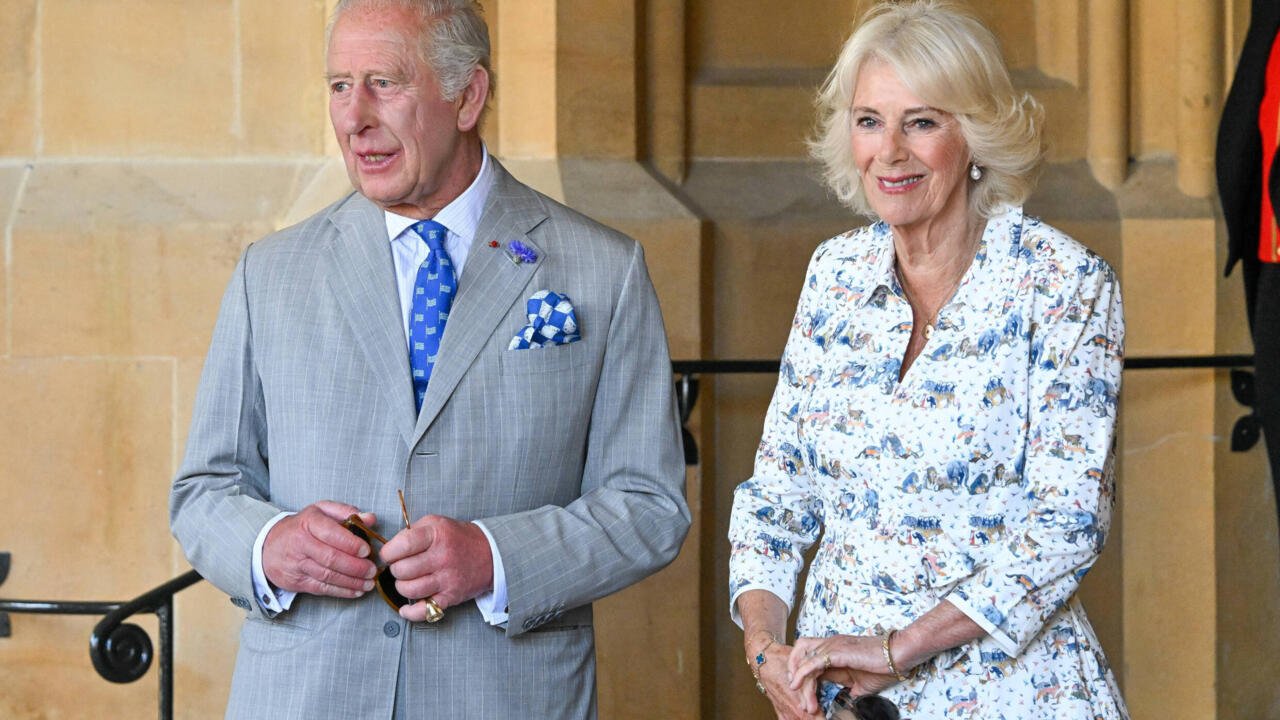
Britain’s King Charles III, the head of the Church of England, along with Queen Camilla, will undertake a historic state visit to the Vatican next week to meet Pope Leo XIV for the first time, Buckingham Palace announced on Friday. “The King and Queen will visit the Holy See from October 22nd to 23rd, 2025. This will be Their Majesties’ inaugural meeting with Pope Leo XIV since his election in May 2025,” the palace statement said. This visit follows approximately six months after the royal couple’s private meeting with Pope Francis, Leo’s predecessor, shortly before his passing. Pope Francis died on April 21 after serving 12 years as the spiritual leader of the world’s 1.4 billion Catholics. His successor, Pope Leo, 70, who has a background in missionary work in Peru and is the first U.S.-born pope, was elected by the cardinals on May 8. During their visit next Wednesday and Thursday, Charles and Camilla will participate in celebrations marking the special Jubilee Year, observed every 25 years, the palace noted. The itinerary includes a service in the Sistine Chapel highlighting both Leo and Charles’ shared dedication to environmental protection. Additionally, the King will tour a seminary that trains priests from Commonwealth nations, while the Queen will meet with Catholic sisters involved in girls’ education programs aimed at addressing issues such as sexual violence, human trafficking, and limited healthcare access. The palace described the visit as “a significant moment” in the relationship between the Catholic Church and the Church of England, acknowledging the ecumenical efforts made and reflecting the Jubilee Year’s theme of “Pilgrims of Hope.” King Charles, 76, leads the Church of England, the mother church of global Anglicanism, which was founded in the 16th century by Henry VIII following his split from the Catholic Church over an annulment dispute. Although the separation once caused centuries of tension, relations between the Catholic Church and the Anglican Church have become increasingly friendly in recent times. Charles last met Pope Francis in Rome this past April, sharing a mutual passion for environmental issues, despite having officially postponed the private audience due to the Pope’s declining health. The King, who is currently receiving treatment for an undisclosed cancer, has visited the Vatican five times as Prince of Wales and has met with three popes prior to this upcoming visit.

Donald-Trump-2-1.webp

6min3680
Former U.S. President Donald Trump has confirmed that he approved covert CIA operations inside Venezuela, triggering strong backlash from Venezuelan President Nicolás Maduro, who accused the U.S. of pursuing regime change under the guise of counter-narcotics operations. Trump’s remarks come amid a wave of U.S. military activity in the Caribbean, including at least five strikes on boats suspected of drug trafficking, which have resulted in the deaths of 27 people. UN human rights experts have condemned the actions, describing them as potential “extrajudicial executions.” Speaking at the White House, Trump said the U.S. was considering expanding operations from the sea to land in its efforts to dismantle drug networks in the region. “We’re looking at land,” Trump said. “They Venezuela have emptied their prisons into the United States, and we have a drug problem coming from there we’re going to stop it.” While Venezuela is not a major player in the global drug trade compared to its neighbors, Trump cited both immigration and narcotics as reasons for greenlighting CIA activity. He declined to confirm whether the ultimate goal of the operations was to oust Maduro, instead replying, “Wouldn’t it be a ridiculous question for me to answer?” According to The New York Times, the authorization gives the CIA leeway to act independently or alongside broader U.S. military efforts. However, it remains unclear whether operations are currently underway or if the agency is preparing for future missions. The CIA has a long history of intervention in Latin America. Maduro Responds: “No to War, No to Coups” In a televised address, Maduro, whose presidency remains contested internationally after disputed elections, appealed directly to the American public: “No war, yes peace. No to regime change, no to CIA-orchestrated coups d’état.” He compared the current tensions to the failed military interventions in Afghanistan, Iraq, and Libya, warning against escalating conflict in the region. In response to rising U.S. military deployments reportedly involving eight warships, a nuclear-powered submarine, and fighter jets Maduro ordered military drills in the Petare district of Caracas and the nearby Miranda state. He also mobilized police forces, the military, and civilian militias, citing national defense. U.S. Expands Military Presence The U.S. military buildup in the Caribbean has raised fears in Caracas of a potential intervention. Around 10,000 U.S. troops are believed to be stationed in the region, either on naval vessels or in Puerto Rico, a U.S. territory. On Tuesday, the U.S. carried out another strike near Venezuela’s coastline, killing six people aboard a boat that Trump later described as part of a narcotics network. In a statement posted on Truth Social, he claimed intelligence confirmed the vessel was linked to drug-trafficking organizations and transiting a known route. U.S. officials have not released details about the individuals on board or the specific drug network involved. Venezuelan Government Condemns U.S. Actions Venezuelan Foreign Minister Yván Gil strongly condemned Trump’s remarks and the increased U.S. military activity. “We reject the warmongering and provocative statements of the U.S. president. The use of the CIA and military deployment in the Caribbean amounts to acts of aggression and harassment,” Gil wrote on Telegram. The U.S. has previously accused Maduro of involvement in the so-called Cartel of the Suns, alleging that high-ranking Venezuelan military officials are complicit in drug trafficking. Maduro has denied these claims. In a leaked memo to U.S. lawmakers, the Trump administration described its operations against drug cartels as part of a “non-international armed conflict” a legal term often used in the context of counterterrorism. Analysts Weigh In Mick Mulroy, a former CIA paramilitary officer and senior Pentagon official, said that CIA covert operations must be authorized through a presidential finding a formal and classified order identifying specific targets and objectives. “Such a finding would represent a significant escalation,” Mulroy said. “Perhaps a real-life Sicario,” he added, referencing the Hollywood film that depicts U.S. agents conducting clandestine operations against Mexican cartels. As tensions mount, observers warn that escalating covert and military operations could lead to broader conflict, deepening instability in an already volatile region. While Washington justifies its actions as part of a crackdown on narcotics, Venezuela views them as an existential threat to its sovereignty.


mm-1.jpeg

3min1370
Nigeria’s inflation rate fell to 18.02% in September 2025, marking a 2.1 percentage point drop from 20.12% in August 2025, according to the National Bureau of Statistics (NBS). This is the first time in three years that the country’s inflation rate has dropped below 20%, and it also marks the sixth consecutive monthly decline since April 2025. The latest figures were released in the NBS’s Consumer Price Index (CPI) report for September 2025, published on Wednesday. While economists and analysts welcomed the continued decline in inflation, many cautioned that consumer purchasing power remains weak. They also noted that the current rate is still significantly above the Central Bank of Nigeria’s (CBN) long-term inflation target of 9%. According to the NBS report: “In September 2025, the headline inflation rate eased to 18.02% from 20.12% in August 2025, reflecting a 2.1 percentage point decline. Year-on-year, this represents a significant drop of 14.68 percentage points from the 32.7% recorded in September 2024.” On a month-on-month basis, inflation was slightly lower at 0.72% in September, compared to 0.74% in August, indicating a modest slowdown in the pace of price increases. “This suggests that the rate of increase in average prices was lower in September than in the previous month,” the NBS explained. Food Inflation Falls Sharply Food inflation, a major driver of headline inflation, also saw a notable decline. The rate dropped by 5.0 percentage points to 16.87% in September, down from 21.87% in August 2025. The decrease was attributed to falling prices of key staples including maize, garri, beans, millet, potatoes, onions, eggs, tomatoes, and fresh pepper. On a year-on-year basis, food inflation was 20.9 percentage points lower than the 37.77% recorded in September 2024. Month-on-month, the food inflation rate was -1.57% in September, a significant drop of 3.22 percentage points compared to 1.65% in August. Regional Breakdown of Food Inflation (YoY) The NBS data also provided a state-by-state breakdown of food inflation on a year-on-year basis: Highest increases were recorded in: Ekiti – 28.68% Rivers – 24.18% Nasarawa – 22.74% Lowest increases were seen in: Bauchi – 2.81% Niger – 8.38% Anambra – 8.41% Despite the downward trend, analysts stress that inflation remains a major concern, especially for low-income households, and called for continued policy focus on stabilizing food supply chains and improving local production to sustain the gains.

Tech & Tools Desk16 October 2025
zz-1.jpeg

4min1830
As Nigeria intensifies efforts to boost renewable energy production and promote local content, the European Union has emphasized the importance of fostering innovative partnerships between the public and private sectors including collaboration with research and innovation institutions to meet the nation’s clean energy ambitions. Speaking at the Nigeria Renewable Energy Innovation Forum in Abuja, the EU highlighted how emerging innovations are transforming the global energy space and underscored Nigeria’s rich human and natural resources as key assets in building a vibrant innovation ecosystem. The EU Ambassador to Nigeria and ECOWAS, Mr. Gautier Mignot, represented by Mr. Zissimos Vergos, Deputy Head of the EU Delegation to Nigeria and ECOWAS, shared these insights during the event. According to a statement from the EU, Mignot revealed that the Union has provided over €200 million in grants to support Nigeria’s power sector since 2008. “Our latest programme, launched in 2021 with a €100 million (₦175 billion) budget, is targeting the addition of 400 megawatts of renewable energy capacity by 2027 a project that will directly impact more than five million Nigerians,” he said. He noted that innovation has become a generational imperative, essential for driving inclusive energy and digital transformation and forming part of legacies that future generations will value. Explaining the synergy needed among stakeholders, Mignot said: “Government provides the policy framework; the private sector contributes agility and expertise; and research institutions bring innovation and data-driven insights.” He added that effective regulation, robust policy implementation, and strengthened capacity building are crucial to scaling up sustainable energy access. “Across rural Nigeria, off-grid renewable solutions like mini-grids and solar home systems are changing lives powering homes, fueling small businesses, and expanding opportunities,” he said. He also called on research institutions to continue delivering evidence-based recommendations on energy demand, consumer behaviour, and resilient business models to ensure innovations meet real community needs. The EU reiterated its commitment to Nigeria’s energy transition through initiatives such as GET.invest Nigeria and the EU Global Gateway, which support research, local skill development, and private sector investment. “Our shared journey whether building large grid-connected solar farms or small decentralised systems relies on harnessing Nigeria’s innovation, industrial capacity, and entrepreneurial drive,” Mignot noted. He praised Nigeria’s progress in embracing green and circular economy principles and concluded that the speed of the country’s energy transition would depend on how well the public sector, private industry, and innovation networks collaborate. Nigeria is positioning itself to become Africa’s renewable energy leader, with a projected $410 billion investment in the sector by 2060. As part of its energy transition plan, the country is working to establish nearly 4 GW of domestic solar manufacturing capacity, reduce dependence on imports, and generate employment. To date, over $400 million in renewable energy agreements have been signed for the development of local manufacturing including solar panels, battery storage systems, and smart meters. The country is also advancing distributed energy solutions, aiming to connect 1.5 to 2 million rural consumers through mini-grid projects. Nigeria’s renewable energy potential, especially in solar and wind, is significant. Key initiatives include the 140 MW Qua Iboe Power Plant and the 10 MW Katsina Wind Farm. Despite challenges such as infrastructure deficits and high investment costs, the country’s renewable capacity is forecast to grow steadily, with an expected compound annual growth rate of 9.88% from 2024 to 2034.

James Obasi16 October 2025
12.jpeg

3min2080
The Nigerian Police Force and the Nigerian Bar Association’s Section on Public Interest and Development Law (NBA-SPIDEL) have agreed to establish a joint committee to review the current regulations governing tinted vehicle permits. This was announced by NBA-SPIDEL Chairman, Prof. Paul Ananaba (SAN), during an interactive session in Ikeja on Thursday. The session was part of the build-up to the NBA-SPIDEL Annual Conference scheduled for December 1–5 in Akwa Ibom. Ananaba stated that the decision followed weeks of dialogue between the association and senior police officials, prompted by growing public concerns over the harassment of motorists with tinted windows. He revealed that NBA-SPIDEL stepped in after numerous reports of indiscriminate arrests and vehicle seizures related to the enforcement of the tinted glass directive. “Following constructive engagements, it was agreed that enforcement of the tinted permit regulation be suspended temporarily, pending the outcome of a joint review by a committee comprising representatives from both NBA-SPIDEL and the police,” Ananaba said. He emphasized that SPIDEL’s approach was not adversarial but aimed at fostering accountability and promoting justice in public policy. According to him, the committee will evaluate the legal and security aspects of the policy and propose revised guidelines that reflect national security priorities while safeguarding civil liberties. Ananaba also disclosed that the association had initiated legal action against the police, challenging alleged discriminatory enforcement practices. “We are not activists,” he added. “Our mandate is to protect the public interest and promote development.” Meanwhile, during the event, Mrs. Adaobi Egboka, Director of the Africa Programme at the Vance Centre (New York City Bar Association), presented a proposal to partner with NBA-SPIDEL in strengthening public interest law and institutionalising pro bono legal services across Africa. Egboka explained that the Vance Centre, a non-profit organisation, works globally to promote justice through cross-border legal collaboration, pro bono service, and institutional reform. She said the proposed partnership would support the NBA in developing a structured pro bono system, including a database of participating law firms and standards for measuring legal aid contributions. She further recommended the adoption of a “Pro Bono Declaration for Africa”, similar to the one in the Americas, to encourage law firms to commit a set number of annual hours to free legal services for disadvantaged populations. Egboka cited the successful launch of a Pro Bono Institute in Kenya created in collaboration with local law schools and firms as a potential model for Nigeria. “We encourage the NBA to support our mission of building a sustainable, data-driven pro bono culture across Africa,” she said.

cc.jpg

3min2400
An Israeli couple abducted during the Hamas attack on 7 October 2023 has finally been reunited after nearly two years in captivity. Noa Argamani and Avinatan Or were kidnapped from the Nova music festival, one of the deadliest scenes during the coordinated assault. Video footage of Ms Argamani being forcibly taken away on a motorbike became one of the defining images of the tragedy. Ms Argamani was rescued on 8 June 2024 during a special forces operation. Her partner, Avinatan Or, was held separately in Gaza for 738 days and was released this week as part of a broader ceasefire deal brokered by U.S. President Donald Trump. In an emotional Instagram post shared shortly after their reunion, Ms Argamani wrote, “Two years since the last moment I saw Avinatan, my love. Two years since terrorists kidnapped us, tore us apart in front of the whole world.” Now reunited, she said they are ready to “begin healing together.” Israeli media reported that the couple shared their first cigarette together since 2023, a small but poignant symbol of reconnection after their long separation. Ms Argamani described her time in captivity held with other women and children in residential buildings while Avinatan, she said, was kept in Hamas tunnels, with little to no contact with the outside world. “Hamas released proof of life from me, but there was complete silence about Avinatan,” she wrote in Hebrew. “We won our personal war, and the world fought with us to reach this moment.” She also thanked President Trump for his role in facilitating the deal that secured the release of hostages, saying his intervention helped them “overcome the darkness.” Avinatan Or’s father, Yaron Or, spoke to Israeli media about the harsh conditions his son endured. He revealed that Avinatan who stands nearly 2 meters tall was held for months in confined underground spaces as small as 1.8 meters high, with minimal food and almost no human interaction. “He had no books, no contact, nothing,” his father said. “At one point, he was given a Rubik’s Cube. That was all.” According to him, Avinatan was once beaten after attempting to escape while being moved through a tunnel. “His guards were people who had lost family members in Israeli airstrikes. It’s a miracle they didn’t harm him more,” Mr. Or added. He noted that his son is slowly beginning to share his experiences: “We’re not pushing him he’s opening up bit by bit. Physically, he’s still recovering. But mentally, thank God, he’s the same Avinatan same humour, same strength.” The couple’s reunion has offered a rare moment of relief in a deeply painful conflict, reminding many of the human stories behind the headlines.