Blog - Edupreneur Select

Bring to the table win-win survival strategies to ensure proactive domination. At the end of the day, going forward, a new normal that has evolved from generation.
aaa6.png

3min1990
The International Monetary Fund (IMF) has stated that the recent depreciation of the Naira should not be viewed entirely negatively, noting that it could serve as a useful tool in helping Nigeria adjust to economic shocks. Speaking at the Global Fiscal Sustainability Report press briefing during the ongoing IMF-World Bank Annual Meetings in Washington, D.C., the IMF’s Financial Counsellor and Director of Monetary and Capital Markets, Mr. Tobias Adrian, said a weaker exchange rate can support macroeconomic stability. “In the context of the Nigerian economy, exchange rates serve as important buffers to absorb shocks,” he said. “A depreciating exchange rate is not necessarily a bad thing in fact, it may help restore economic equilibrium.” Responding to questions on policy advice for Nigeria following the Naira’s significant devaluation over the past two years, Adrian highlighted progress made by Nigerian authorities in implementing stronger monetary policies and moving toward a more flexible exchange rate regime. He added that improved transparency in foreign exchange reserve reporting and better revenue collection had contributed to declining inflation from over 30% last year to 23% this year and more stable FX reserves. “So, the direction of travel appears to be positive,” he said. Sub-Saharan Africa Facing Economic Headwinds Mr. Adrian also commented on broader regional challenges, noting that Sub-Saharan Africa continues to face economic headwinds despite a period of relatively strong growth. “While capital flows are beginning to resume, these economies remain vulnerable,” he cautioned. “If foreign investment retracts, it could expose structural weaknesses. That’s why strengthening fiscal and monetary fundamentals, revenue mobilization, and effective debt management remains crucial.” He added that support from the international community would be important in helping countries like Nigeria build resilience. IMF Welcomes Stablecoin Regulations On digital currencies, Adrian welcomed recent steps taken by various countries to regulate stablecoins, including the U.S., European Union, and Japan. “There are currently about $400 billion in stablecoins globally, most of which are denominated in U.S. dollars,” he said. “We’re seeing progress as jurisdictions begin to establish legal and regulatory frameworks.” He noted that the IMF had published a comprehensive policy framework for crypto assets in February 2023, providing guidance for countries on how to regulate and manage these evolving financial instruments. “While approaches differ across countries, the general direction aligns with our recommendations,” Adrian said.

Tech & Tools Desk15 October 2025
ac.jpg

4min2720
The National Association of Nigerian Students (NANS) has issued a seven-day ultimatum to the Federal Government and the Academic Staff Union of Universities (ASUU) to resolve their ongoing dispute and prevent a looming strike that could derail the academic calendar. In a statement released on Wednesday and signed by NANS President, Olushola Oladoja, the student body expressed serious concern over rising tensions between ASUU and the government, warning that any disruption to academic activities would be unacceptable to Nigerian students. Oladoja acknowledged that the education sector had experienced two uninterrupted academic years under President Bola Tinubu’s Renewed Hope administration a milestone not seen since Nigeria’s return to democracy in 1999. However, he noted that the current threat of strike action could reverse that progress. “In light of this, NANS calls on both ASUU and the Federal Government to reach a workable and lasting resolution within the next seven days,” Oladoja stated. “Many students are now depending on education loans and cannot afford prolonged academic delays or extended time on campus.” While commending recent education sector reforms under President Tinubu including the launch of the Nigerian Education Loan Fund, withdrawal of tertiary unions from IPPIS, the reversal of the 40% IGR remittance policy, and targeted TETFund interventions Oladoja stressed that lapses in communication and delays in implementing prior agreements with ASUU had triggered renewed tensions. He described the looming strike as the result of “avoidable miscommunication and poor crisis management” that now threatens hard-won gains in the education sector. According to NANS, an earlier meeting scheduled to address ASUU’s grievances was boycotted by the union due to procedural disagreements. However, Oladoja disclosed that both parties had expressed readiness to reconvene, provided the meeting is properly arranged. “We urge the Federal Government to reconvene the meeting without delay to bridge the current communication gap,” he said, adding that failure to act swiftly could undo the progress made under the current administration. Oladoja also called on President Tinubu to personally intervene, warning that prolonged inaction could damage the credibility of his education agenda. “Nigerian students remain appreciative of the President’s efforts in the education sector,” he said. “But this dispute must be addressed urgently. If unresolved within seven days, the resulting strike could erode the stability and goodwill achieved so far.” ASUU had declared a warning strike on Monday following the expiration of a 14-day ultimatum issued to the Federal Government. The union’s demands include: Full implementation of the renegotiated 2009 ASUU-FGN Agreement Payment of withheld three-and-a-half months’ salaries Revitalisation of public universities Sustainable funding of tertiary institutions Settlement of 25–35% salary arrears and four-year promotion backlogs Release of withheld cooperative deductions The 2009 agreement, renegotiated several times over the years, remains stalled. The most recent review committee, chaired by Yayale Ahmed, submitted its report in December 2024 yet implementation has not commenced. Meanwhile, the Minister of Education, Dr. Tunji Alausa, has reportedly directed university vice-chancellors to enforce the government’s “No Work, No Pay” policy against striking lecturers a move that has sparked fresh criticism from university staff. The ongoing strike has already disrupted examinations in several institutions, causing widespread concern among students and parents.

James Obasi15 October 2025
aa.png

4min2720
The Federal Government has approved sweeping reforms to admission requirements across all tertiary institutions in Nigeria, introducing a more flexible and inclusive framework aimed at expanding access to higher education. This change follows the official endorsement of the National Guidelines for Entry Requirements into Tertiary Institutions in Nigeria, as announced in a statement by Boriowo Folasade, Director of Press and Public Relations at the Federal Ministry of Education. Spearheaded by the Minister of Education, Dr. Maruf Tunji Alausa, the new policy is designed to democratize access to tertiary education, aligning with President Bola Tinubu’s Renewed Hope Agenda. According to the ministry, the reform marks a significant step toward promoting educational equity and driving national development. Dr. Alausa explained that the overhaul was necessary to eliminate outdated and restrictive admission policies that had previously denied access to many qualified candidates. While over two million candidates sit for the Unified Tertiary Matriculation Examination (UTME) each year, only about 700,000 are admitted an issue the Minister attributed to rigid entry criteria, not a lack of ability. “The current imbalance must give way to fairness and opportunity. No capable student should be denied a future because of obsolete rules,” he said. Key Changes in the New Guidelines: Universities: Candidates must have a minimum of five credit passes, including English Language, in no more than two sittings. Mathematics is now optional for Arts students but remains compulsory for Science, Technology, and Social Science programmes. Polytechnics (ND Level): Minimum of four credits, with English required for non-science courses and Mathematics mandatory for science-related fields. Polytechnics (HND Level): Minimum of five credits, including English Language and Mathematics. Colleges of Education (NCE Level): At least four credits. English is compulsory for Arts and Social Science courses; Mathematics is required for Science, Vocational, and Technical programmes. Colleges of Education (B.Ed Level): Five credits, including English and Mathematics, based on the course of study. Innovation Enterprise Academies (IEAs): Will now follow the same ND requirements as Polytechnics. The previously awarded National Innovation Diploma (NID) has been replaced with the National Diploma (ND) to standardize qualifications across institutions. The National Board for Technical Education (NBTE) has been instructed to re-accredit all IEAs to comply with the new standards. Institutions failing to meet full accreditation will be de-accredited. Dr. Alausa projected that the reforms could open up space for an additional 250,000 to 300,000 students to gain admission each year. “Our youth are the heartbeat of this nation,” he stated. “This policy ensures that every Nigerian youth has a fair chance to acquire quality education and skills needed for personal and national development.” The Federal Government reiterated its commitment to inclusive education, youth empowerment, and human capital development in line with its Renewed Hope Agenda.

a1m.jpeg

3min4950
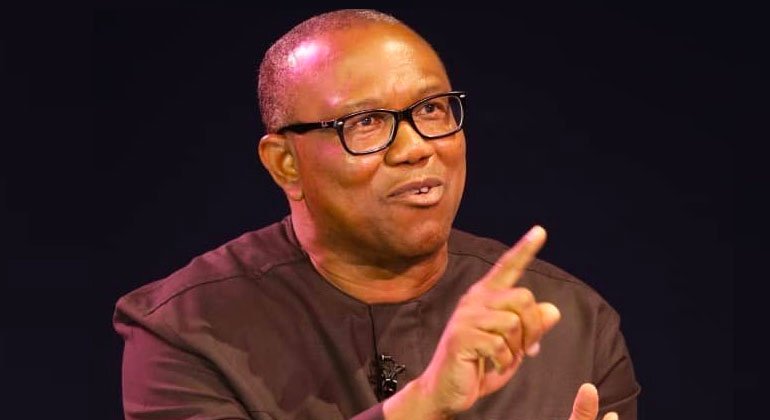
Abuja — The 2023 Labour Party presidential candidate, Peter Obi, has strongly criticised the ongoing demolition of private properties by government agencies across the country, describing the actions as unjust and insensitive, especially when carried out without prior notice. In a statement shared on his X handle, Obi condemned what he called the “willful destruction” of citizens’ homes, shops, and goods by both federal and state authorities. He said: “The recent wave of demolitions and destruction of people’s properties and merchandise is deeply condemnable. A government whose policies have already pushed millions into poverty should show compassion, not add to their suffering.” Obi lamented that the demolitions were happening at a time when the government ought to be focused on easing the economic hardship faced by Nigerians, noting that such actions were further impoverishing citizens and stifling small businesses. “These demolitions wipe out livelihoods, destroy years of investment, and erode the economic security of hardworking Nigerians. Many of the affected shops contained goods worth billions of naira, representing years of sacrifice and effort,” he stated. He questioned the legality of destroying private property not linked to any criminal activity and without following due process, asking whether such actions truly serve the public interest or merely reflect arbitrary use of power. “The government must ensure that urban development and enforcement measures align with the rule of law and protect citizens’ rights,” he added. Obi warned that the ongoing demolitions send a negative signal to local and foreign investors, discouraging entrepreneurship and economic growth. “If we fail to speak up against such injustices, we risk undermining the very foundation of economic progress and social stability. Every Nigerian has the right to earn a living through honest work, and that right must be protected,” he said.

aaa6.png

2min5230
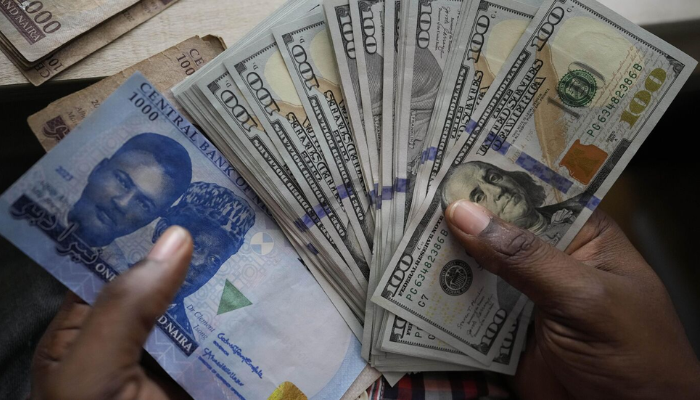
The naira recorded a mild depreciation on Tuesday across Nigeria’s foreign exchange markets, as official (NFEM/CBN) rates hovered in the mid-₦1,400 range, while parallel market traders continued quoting the dollar between ₦1,490 and ₦1,505. At the NFEM or official market, the exchange rate fluctuated between ₦1,460 and ₦1,466 per dollar, with Central Bank reference figures also maintaining levels within the high ₦1,400s — the benchmark used by banks and authorised dealers. In the parallel market, rates remained elevated, trading around ₦1,490 to ₦1,505 per dollar, depending on the location and vendor. Market overview Data from FX trackers and trading platforms showed that the official (NFEM/CBN-linked) rate traded in the mid-₦1,400s on October 14, with TradingEconomics reporting a USD/NGN rate of ₦1,461.36 for the day. By contrast, parallel market rates — where most retail dollar demand is met — stayed higher, reflecting continued pressure from importers, travellers, and individuals seeking quick access to foreign currency. The persistent gap between the two markets highlights limited dollar supply at the street level and small-scale arbitrage across trading channels. Reasons for the rate gap Analysts attribute the difference between official and parallel rates to factors such as: Restricted FX inflows and rising import and remittance demand. Delayed liquidity transmission from central bank operations to bureau de change operators. Uneven access to official forex by small businesses and individuals. They note that while the CBN’s benchmark rates guide banks and large corporates, parallel market rates capture real-time retail demand. Future interventions by the apex bank — including direct forex sales to BDCs or policy adjustments — could either narrow or widen the spread. Broader implications For consumers and businesses dependent on cash dollars, such as importers and travellers, the higher parallel market rate increases costs. Corporates with access to official channels, however, continue to settle closer to NFEM reference levels. Nigerians planning foreign transactions are advised to compare both official and street rates before making payments.

aaa5-1280x828.jpg

4min4300
Senior figures in Nigeria’s medical field have identified mentorship as a vital tool to curb the increasing migration of doctors abroad, popularly referred to as the Japa syndrome. They urged young doctors to remain in the country after graduation and contribute to national development, despite existing challenges in the health sector. The experts — including the Chief Medical Director of the Lagos University Teaching Hospital (LUTH), Prof. Wasiu Adeyemo; fertility specialist and Secretary-General of the International Federation of Fertility Societies, Prof. Oladapo Ashiru; and Dean of the Faculty of Clinical Sciences, University of Lagos, Prof. Olufemi Fasanmade — emphasised the need for stronger mentorship between senior and younger medical professionals to address the ongoing brain drain. They spoke at the 20th Annual Scientific Conference and Faculty Gathering of the Faculty of Clinical Sciences, College of Medicine, University of Lagos, themed “Mentorship: Raising the Next Generation of Leaders in the Medical Profession.” The event, held at the Old Great Hall of the college, brought together distinguished medical professionals who have made significant contributions to healthcare delivery in Nigeria and across Africa. The experts expressed concern that the mass emigration of doctors has left the health system overstretched and underscored the need for senior professionals to engage, guide, and inspire younger doctors to explore opportunities in clinical practice, academia, research, and healthcare management within the country. Prof. Ashiru, who delivered the keynote address, reflected on his early career journey and credited his mentors for shaping his path in medicine. He highlighted mentorship as a transformative process that not only transfers knowledge but also builds character, confidence, and vision. “Mentorship is not just about teaching — it’s about transformation. It bridges the knowledge, courage, and vision gaps. The future of medicine depends on the mentors we become today,” he said. He advised mentors to listen more than they speak and to guide young doctors with empathy and purpose, while urging mentees to remain humble, disciplined, and eager to learn. Prof. Adeyemo described the Japa trend as a major threat to Nigeria’s healthcare system, stressing the need to nurture the next generation of doctors through deliberate mentoring and better welfare conditions. “We must care for our health workers and create systems that make them want to stay,” he said. On his part, Prof. Fasanmade said the goal of the conference was to ensure that senior professionals pass down the right knowledge, skills, and values to sustain the future of medical practice in Nigeria. He added that mentorship remains the cornerstone for building leadership and excellence in medicine, noting that “the future of healthcare depends on how well today’s leaders prepare the next generation.”

aaaaaaaaaaaaa222222.webp

5min2860
Medical experts have warned that individuals who consistently work in high-stress or adrenaline-driven environments face a greater risk of developing hypertension, anxiety, and sleep disorders if such conditions are not properly managed. They explained that people in fast-paced professions—such as emergency medical staff, trauma responders, journalists, and security personnel—are particularly vulnerable due to their constant exposure to stress and crisis situations. Experts noted that while adrenaline levels usually drop once a stressful event ends, repeated exposure to high-pressure situations keeps stress hormones like adrenaline and cortisol elevated, leading to persistently high blood pressure and cardiovascular strain over time. According to Mental Health America, adrenaline, or epinephrine, is a hormone produced by the adrenal glands in response to excitement or danger. It prepares the body for “fight or flight” by increasing heart rate, expanding airways, and improving blood flow to muscles. However, prolonged or frequent surges can negatively affect heart health. The World Health Organisation defines hypertension as sustained blood pressure readings of 140/90 mmHg or higher. It identifies the condition as a leading cause of death globally, with more than 1.4 million adults aged 30–79 diagnosed in 2024. A professor of medicine at the College of Medicine, University of Lagos, Idi-Araba, Olufemi Fasanmade, explained that individuals in demanding professions often record higher blood pressure and blood sugar levels, experience poor sleep, and endure continuous heart strain. “When this persists without sufficient rest or recovery, it can result in hypertension, diabetes, obesity, poor sleep quality, and mental health issues such as anxiety or post-traumatic stress disorder,” he said. He advised that prevention should focus on self-care, including regular rest, exercise, adequate sleep, and mental health support. “If stress occurs continuously without downtime, it eventually takes a toll on the body,” he warned. Fasanmade also observed that some professionals become psychologically attached to constant pressure, finding it difficult to relax outside work. “Some people actually get addicted to high-pressure jobs and feel unfulfilled when away from them. That’s not a healthy pattern. Taking breaks, exercising, and seeking therapy when necessary are essential,” he added. He encouraged those in stressful roles to take frequent holidays, include short breaks during shifts, and engage in relaxing activities such as reading or watching TV. In some cases, he said, therapy may be necessary to manage chronic stress. He further advised workers in such roles to watch for warning signs like fatigue, anxiety, sleep disturbance, or rising blood pressure, noting that these are indicators the body needs recovery. “If blood pressure readings rise steadily over time, it’s a signal to rest and undergo medical evaluation,” he said. Similarly, the President of the Nigerian Hypertension Society, Professor Simeon Isezuo, said hypertension affects one in three adults in Nigeria. While genetics play a role, he emphasised that lifestyle factors—especially stress and high salt consumption—are major contributors. He added that individuals with underlying risk factors who work in high-pressure environments are more likely to develop hypertension, while those already diagnosed may find it harder to keep their blood pressure under control.

Tech & Tools Desk14 October 2025
aaa1.webp

2min20340
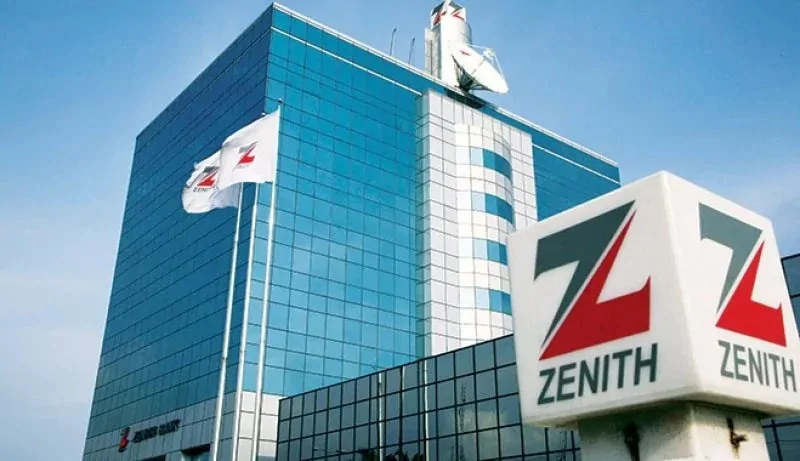
Zenith Bank Plc has reaffirmed its commitment to delivering greater value to shareholders as it distributed ₦51.3 billion as an interim dividend for the half-year ended June 30, 2025. Group Managing Director and Chief Executive Officer, Dr. Adaora Umeoji, made the pledge in a statement on Sunday, following the payment of ₦1.25 per share—representing a 60 percent increase from the ₦31.4 billion paid in the same period of 2024. “We are delighted to reward our shareholders with this significant interim dividend. Our strong half-year results reflect our resilience and dedication to stakeholders. With the momentum we’ve built, we’re confident of surpassing expectations by the end of the year,” Umeoji said. The payout mirrors Zenith Bank’s solid financial performance during the review period. The bank’s gross earnings rose by 20 percent year-on-year, climbing from ₦2.1 trillion to ₦2.5 trillion in H1 2025. Interest income drove much of this growth, surging by 60 percent to ₦1.8 trillion, a result of strategic repricing of risk assets and effective treasury management. Total assets grew to ₦31 trillion in June 2025, up from ₦30 trillion in December 2024, supported by a strong and diversified balance sheet. Customer deposits also increased by seven percent—from ₦22 trillion to ₦23 trillion—indicating sustained confidence in the bank’s performance. As Nigeria’s largest lender by market capitalisation, Zenith Bank remains one of the few financial institutions to declare an interim dividend for H1 2025. The bank noted that the ₦1.25 per share dividend, payable from retained earnings, underscores its sound financial health and consistent ability to deliver value despite evolving economic conditions.

James Obasi14 October 2025
aa9-1280x746.jpg

3min4060
Nigeria has recorded another milestone in its gas sector as energy giant Shell announced a $2 billion investment in developing the HI Field, a shallow offshore Non-Associated Gas project located in OML 144. According to a statement issued in Abuja by the Special Adviser to the President on Information and Strategy, Bayo Onanuga, the project is expected to deliver about 350 million standard cubic feet of gas per day by 2028. It marks Nigeria’s second major gas investment within 18 months, reflecting renewed investor confidence in the nation’s energy sector under President Bola Tinubu’s administration. The statement noted that with this development, total upstream investment commitments through Final Investment Decisions (FIDs) have now exceeded $8 billion since 2023. President Tinubu welcomed the announcement, describing it as a validation of his administration’s energy reforms and Nigeria’s growing appeal to global investors. “This major investment decision by Shell — their second in one year — reaffirms our reform efforts and demonstrates that Nigeria is open for business,” Tinubu said. Discovered in 1985, the HI Field will supply almost one-third of the gas needed for Nigeria LNG Train 7, which aims to expand national LNG production capacity by 8 million metric tonnes per year, representing a 35 per cent increase. The project follows the Ubeta Non-Associated Gas and Bonga North Deepwater developments, making it the third major oil and gas FID in just 18 months. The Special Adviser to the President on Energy, Olu Arowolo Verheijen, attributed the successful deal to recent policy initiatives such as Presidential Directive 40, which introduced a competitive fiscal framework for onshore and shallow offshore gas projects. “With the Ubeta and HI FIDs, we’ve secured the gas supply needed to make NLNG Train 7 not only viable but transformative,” she noted, adding that the projects will boost LNG exports, expand domestic LPG availability, cut imports, and promote clean cooking for millions of households. Shell’s Upstream President, Peter Costello, said the investment reinforces the company’s long-term commitment to Nigeria’s energy future, focusing on Deepwater and Integrated Gas opportunities. The Presidency reiterated that the Tinubu administration remains dedicated to creating a business-friendly environment to attract more local and foreign investments and strengthen Nigeria’s position in the global gas market.

aaa9.jpg

5min1480
Nigeria’s agricultural sector is set to receive a major boost following the approval of a €190 million (approximately ₦320.5 billion) credit line by the European Union to enhance lending to farmers and agribusinesses through local commercial banks and development finance institutions. The facility, provided by the European Investment Bank (EIB), was unveiled during a bilateral meeting between senior EIB officials and representatives of Nigeria’s Federal Ministry of Budget and Economic Planning on the sidelines of the Global Gateway Forum in Brussels, Belgium. According to a statement from the Minister of Budget and Economic Planning’s Special Adviser on Media, Bolaji Adeniyi, the initiative reflects the EU’s growing commitment to Nigeria’s economic diversification agenda. EIB Director for International Partnerships, Thourayya Tricki, said the funding aims to strengthen Nigeria’s agricultural value chains, particularly in cocoa and dairy, while advancing climate-smart and sustainable farming practices. “This credit line will expand access to finance and enhance the competitiveness of Nigeria’s agri-food products,” she noted. Tricki, accompanied by EIB’s Head of Sub-Saharan Africa Relations, Diedrick Zambon, explained that the facility combines credit and technical support components designed to “de-risk agricultural lending and build institutional capacity for long-term financing.” Nigeria currently benefits from multiple EU-backed programmes, including an €18 million grant to enhance local vaccine production and a €50 million credit line to improve access to finance in the pharmaceutical sector. Representing Nigeria, Special Assistant to the Minister of Budget and Economic Planning, Bolaji Onalaja, and EU Unit Focal Officer, Benjamin Galadima, reaffirmed the government’s commitment to implementing reforms under President Bola Tinubu’s Renewed Hope Agenda to attract sustainable investments. “Our administration is focused on creating an enabling investment environment through the upcoming National Development Plan (2026–2030) and the Ward-Based Development Programme to drive inclusive growth,” Onalaja stated. The Nigerian delegation also met with officials from the Directorate of International Partnerships and the European Bank for Reconstruction and Development to explore collaboration opportunities in renewable energy, green infrastructure, and industrial development. Speaking on behalf of Minister of Budget and Economic Planning Senator Abubakar Bagudu, who was on an official visit to Vienna, the delegation expressed gratitude to the EU Delegation to Nigeria and ECOWAS, led by Ambassador Gauthier Mignot, for supporting Nigeria’s participation in the Global Gateway Forum. The Global Gateway Forum, the EU’s flagship investment platform, convenes governments, investors, and development institutions to mobilise resources for sustainable projects in digitalisation, green transition, and human capital growth. European Commission President Ursula von der Leyen reaffirmed the EU’s commitment to “building partnerships founded on trust and shared prosperity,” adding that the Global Gateway Investment Package has been expanded to €400 billion with a new Investment Hub to fast-track project delivery, particularly in Africa. The EU–Nigeria credit agreement is expected to further strengthen bilateral ties under the Global Gateway Strategy while advancing Nigeria’s agricultural transformation, food security, and export competitiveness.