Blog - Edupreneur Select

Bring to the table win-win survival strategies to ensure proactive domination. At the end of the day, going forward, a new normal that has evolved from generation.
Tech & Tools Desk12 January 2026

crude-oil.jpeg

4min6960
Oil prices have surged past $63 per barrel as markets reacted to rising geopolitical tensions in the Middle East, according to oilprice.com data on Sunday. The increase follows early gains on Friday as widespread protests in Iran raised concerns that output from one of the region’s major oil producers could be disrupted. The rebound comes after two days of decline, as investors weighed developments in Venezuela alongside supply concerns from Iran, Russia, and Iraq. Both benchmarks, Brent and West Texas Intermediate (WTI), traded higher on Sunday. WTI futures stood at $59.12 per barrel, while Brent climbed to $63.34, after previously rising above $62.42 on Friday. Crude prices jumped more than 3% on Thursday amid heightened geopolitical risks spanning from Venezuela to Iran. Friday’s gains were further supported by escalating protests in Iran and remarks by former US President Donald Trump, who claimed that Iran’s Supreme Leader, Ayatollah Ali Khamenei, was considering fleeing the country. In response to the unrest, Iran reportedly shut down internet access on Friday, a tactic often used during domestic instability. The demonstrations, which began nearly two weeks ago, have resulted in approximately 40 fatalities and around 2,000 arrests. Khamenei condemned the protests, accusing participants of acting under foreign influence, and vowed that the regime would not yield. Ole Hansen, Head of Commodity Strategy at Saxo Bank, said the market is now focused on Iran, where the risk of near-term supply disruption outweighs potential long-term supply recovery should the regime face further instability. Earlier in the week, oil prices dipped as markets anticipated a potential supply boost from Venezuela. Reports indicated that the US and Venezuelan authorities reached an agreement under which 30–50 million barrels of Venezuelan crude, valued at roughly $2 billion, would be exported to the US. This agreement aimed to increase supplies of heavy crude to Gulf Coast refineries while limiting illicit shipments to other markets. Political developments in Venezuela also contributed to market volatility. President Nicolás Maduro was captured by US authorities and transferred to the US to face federal charges, including narcotics and terrorism-related offenses, which he denies. Following his detention, Vice President Delcy Rodríguez assumed the role of Acting President to maintain institutional continuity. Despite the midweek dip—Brent fell to $59.99 and WTI to $56.10 on Wednesday—oil prices have since recovered, with Brent climbing to $63.34 and WTI reaching $59.12 per barrel, reflecting heightened geopolitical risks and concerns over potential supply disruptions.

James Obasi12 January 2026
NNPCCC-1280x720.jpg

3min9270
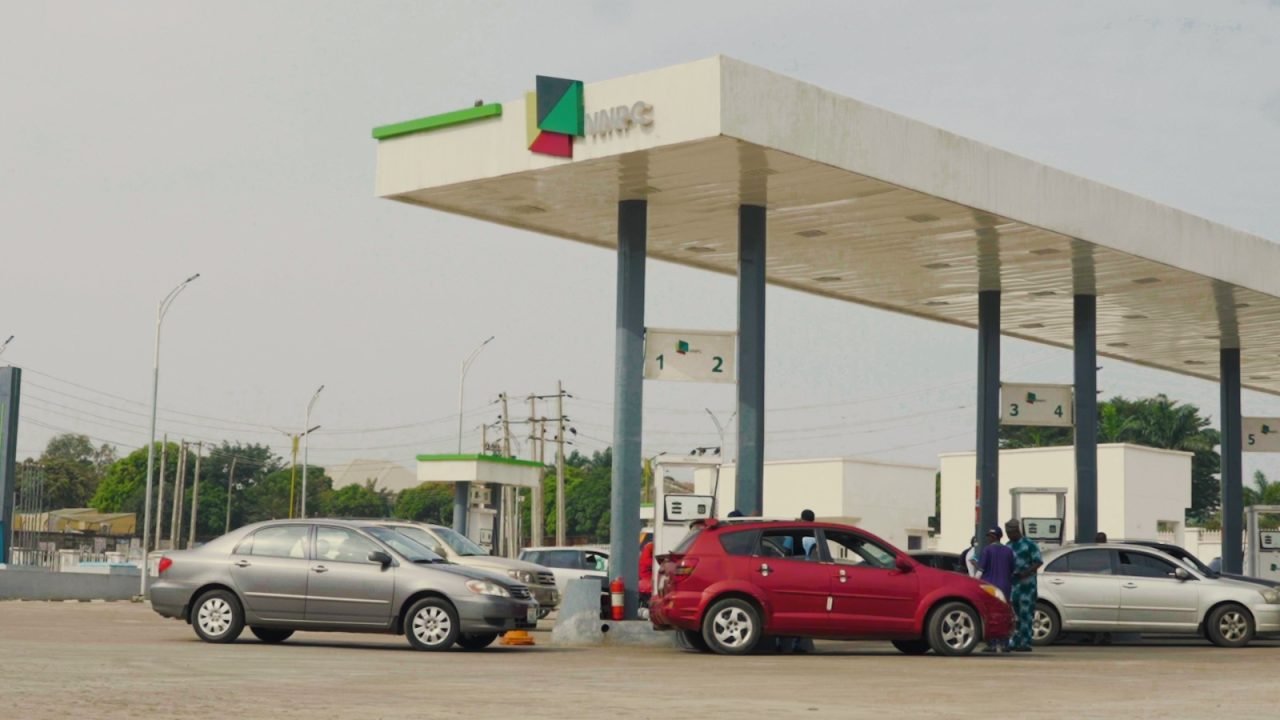
The Nigerian National Petroleum Company Limited (NNPC) is confronting significant legal exposure, with pending lawsuits against the state-owned energy firm estimated at around N2.27tn for the financial year ending 2024, according to an analysis of its 2024 Annual Report. The report revealed that while NNPC recognised N474.8bn as contingent liabilities in its financial statements, additional unresolved lawsuits valued at about N1.8tn remain across various courts, with no provisions made for them. This total represents a sharp increase of N1.63tn, or roughly 256 per cent, from the N638.38bn recorded in 2023. Contingent liabilities alone surged from N18.14bn in 2023 to N474.8bn in 2024—a rise of over 2,500 per cent. Similarly, unresolved lawsuits without provisions increased from N620.24bn in 2023 to N1.8tn in 2024, a jump of about 190 per cent. NNPC explained that the recognised contingent liabilities relate to cases where the likelihood of loss is deemed probable, based on advice from the company’s external legal counsel. “A provision has been made in the Financial Statements for contingent liabilities for lawsuits against the Group estimated at N474.8bn,” the report stated. For the additional N1.8tn in claims, legal advisers consider an adverse outcome only possible, not probable, which is why no provision was made in the financial statements in line with accounting standards governing contingent liabilities. “No provision has been made in the financial statements for contingent liabilities in respect of these lawsuits,” the report added. The growing legal exposure stems from NNPC’s long history of disputes inherited from its former status as the Nigerian National Petroleum Corporation, prior to its conversion into a limited liability company under the Petroleum Industry Act. Litigation includes joint venture cash-call disputes, crude oil supply contracts, pipeline construction and maintenance claims, debt recovery suits, arbitration awards, and disagreements with marketers and service providers. Some cases date back more than a decade and involve both domestic and international claimants. While contingent liabilities do not immediately require cash outlay, the scale of unresolved lawsuits poses potential risks to NNPC’s balance sheet, cash flow, and investment plans, particularly as the company navigates crude-backed loans, production challenges, and funding pressures. The disclosures highlight the legal and financial legacy challenges facing NNPC as it aims to operate commercially, enhance transparency, and restore investor confidence in Nigeria’s oil and gas sector.

NGX12.webp

1min3980
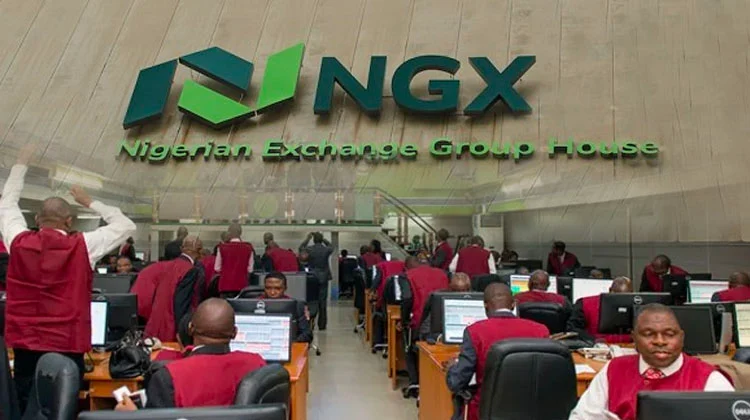
The Chartered Institute of Stockbrokers (CIS) and the Association of Securities Dealing Houses of Nigeria (ASHON) have congratulated the Nigerian Exchange Group Plc and Nigerian Exchange Limited on the landmark achievement of the capital market surpassing N100tn in market capitalisation. In a joint statement, ASHON Chairman Samuel Adenagbe and CIS President Oluropo Dada described the milestone as a testament to the resilience, depth, and growing sophistication of Nigeria’s capital market, highlighting that it reflects renewed investor confidence in the country’s economy. They praised the Board, management, and staff of NGX for their visionary leadership and strategic direction, specifically recognising the efforts of Umaru Kwairanga, Popoola, Jude Chiemeka, and Femi Sobanjo for implementing reforms that enhanced market integrity and efficiency. The statement added, “This milestone would not have been possible without the professionalism and dedication of NGX leadership and the continued commitment of dealing member firms and stockbrokers, who serve as the backbone of the market by ensuring liquidity, transparency, and investor protection.”

wema.jpg

3min5660
Wema Bank, Nigeria’s leading innovator and pioneer of Africa’s first fully digital bank, ALAT, has unveiled the upgraded version of its flagship digital banking platform, ALAT by Wema. Dubbed ALAT: The Evolution, the enhanced platform offers a smarter, faster, and more intuitive banking experience, further cementing Wema Bank’s leadership in technology-driven financial services. The upgrade introduces intelligent features designed to simplify banking, including voice banking (SAW), enabling customers to perform transactions using natural voice commands for greater convenience and accessibility. It also adds Tap and Pay for fast, secure, contactless payments and uptime prediction, which improves transparency and confidence in service availability. These innovations aim to anticipate customer needs in real time, making everyday banking more seamless while reinforcing trust and efficiency. Commenting on the launch, Wema Bank’s Managing Director/CEO, Mr. Moruf Oseni, said, “ALAT: The Evolution is more than an upgrade; it is a commitment to redefining digital banking in Africa. By listening to our customers and anticipating the future of banking, we have created a platform that is intelligent, reliable, and user-friendly, transforming how people live, work, and transact.” Existing customers can easily update their ALAT app via the Google Play Store or Apple App Store and retain all account information and transaction history, while new customers can onboard seamlessly by downloading the app and following the Get Started process. Chief Digital Officer, Mr. Olusegun Adeniyi, explained, “With ALAT: The Evolution, we are enhancing both functionality and the overall banking experience. Integrating voice banking, contactless payments, and predictive service reliability creates a platform that responds intelligently to customer needs, reflecting our long-term vision for a digital bank that is adaptive, intuitive, and consistently available.” Built on speed, intelligence, and user-centric design, ALAT: The Evolution empowers individuals and businesses to bank with confidence, offering voice-enabled transactions, contactless payments, and real-time service predictions. The upgraded platform reinforces Wema Bank’s position as a digital-first institution, delivering innovative solutions that meet the evolving demands of an increasingly digital economy.

HERITAGE.webp

3min4340
The Nigeria Deposit Insurance Corporation (NDIC) has recovered an additional N24.3bn from the assets of the defunct Heritage Bank Limited to repay depositors with balances above N5m at the time the bank’s licence was revoked. The disclosure was made in a statement issued on Sunday by NDIC’s Head of Communication & Public Affairs, Hawwau Gambo. Heritage Bank’s operating licence was revoked by the Central Bank of Nigeria on 3 June 2024, after which the NDIC was appointed as liquidator under Section 12(2) of the Banks and Other Financial Institutions Act 2020 and Sections 55(1 & 2) of the NDIC Act 2023. According to the NDIC, the recovered funds were sourced from debt collection, sale of physical assets, and realisation of investments. These will be applied to pay uninsured deposits exceeding the N5m insured limit. “The second liquidation dividend will be paid at 5.2 kobo per N1.00 on outstanding balances, bringing the cumulative liquidation dividend to 14.4 kobo per N1.00. Payments will be made using depositors’ information already on record with the NDIC,” the statement said. Eligible depositors who previously received the insured sum and the first liquidation dividend will have their alternative bank accounts automatically credited via their Bank Verification Numbers (BVNs). Depositors are advised to check their accounts for confirmation. Those without BVNs or alternative accounts, or who have not yet claimed their insured sum or first dividend, should visit the nearest NDIC office or complete the e-claim form on the NDIC website for prompt processing. NDIC had previously paid the first liquidation dividend of N46.6bn in April 2025, at a rate of 9.2 kobo per N1.00, to depositors whose balances exceeded the N5m insured limit at the time of closure. The NDIC clarified that liquidation dividends are payments made to depositors of closed banks whose balances exceed the insured limit, using proceeds from asset sales, investments, and debt recovery. Payments to other creditors and shareholders are made only after depositors are fully reimbursed, subject to available funds. The Corporation assured the public that this is only the second liquidation dividend, with further payments expected as additional assets are realised and outstanding debts collected. “The NDIC remains committed to recovering all outstanding obligations and promptly reimbursing depositors,” the statement added.

Tech & Tools Desk12 January 2026
SCURITY.webp

3min4760
Coronation Insurance Plc has highlighted the transformative impact of the Nigerian Insurance Industry Reform Act (NIIRA) 2025, describing the legislation as a significant step toward boosting consumer protection, enhancing safety standards, and expanding insurance coverage nationwide. In its latest thought leadership release, Coronation Insurance noted that NIIRA, signed into law in July 2025, has been widely welcomed by industry players, many of whom contributed to its development. The law has also prompted a sector-wide recapitalisation exercise. According to the company, the reform elevates insurance from a largely optional service to an essential element of economic and social life. “The Act replaces outdated regulations with a modern framework that integrates insurance into daily activities, including construction, healthcare, aviation, lending, and public buildings. By reinforcing mandatory insurance classes and introducing stronger enforcement mechanisms, NIIRA 2025 makes insurance both a legal and operational necessity,” Coronation Insurance said. Under the new law, key compulsory insurance classes have been clearly defined, including builders’ liability, occupiers’ liability for public buildings, group life, credit life, petroleum station insurance, healthcare professional indemnity, and aviation liabilities. The Act also introduces stricter enforcement measures. Insurers are now required to remit 0.25 per cent of certain net premiums quarterly to the Fire Services Maintenance Fund, while regulators have the authority to seal buildings lacking the required insurance coverage. Significant fines and prison terms have been instituted for non-compliance. Coronation Insurance emphasised that NIIRA 2025 directly addresses ongoing national challenges, such as building collapses and fire incidents. By mandating insurance for properties under construction and commercial buildings, the law encourages a stronger safety culture. “This reform positions insurance as a core component of business management rather than an afterthought. Building owners and facility managers now carry defined responsibilities toward occupants and third parties, while insurers must expand digital capabilities to serve a growing market,” the company added.  

James Obasi12 January 2026
WOODEN-BOATS.jpg

4min8920
The Minister of Marine and Blue Economy, Adegboyega Oyetola, has called on state governments nationwide to invest in modern fibre and aluminium boats to enhance safety and reduce accidents on Nigeria’s waterways. Oyetola renewed his appeal for an urgent ban on wooden boats for commercial water transport, highlighting the dangers posed by outdated and unsafe vessels. His statement, issued on Sunday by his Special Adviser, Dr Bolaji Akinola, came in the wake of recent boat accidents that claimed several lives, prompting condolences to the families of the victims. The minister urged waterway users to take personal responsibility for their safety by adhering to basic precautions. He stressed that replacing wooden boats with fibre-reinforced plastic and aluminium vessels would greatly improve safety. “Fibre and aluminium boats are more durable, stable, and resistant to corrosion, making them ideal for commercial operations. They offer better balance and buoyancy, reduce the risk of sudden breakage, and can be equipped with essential safety tools,” Oyetola said. He also cautioned against night travel due to poor visibility and increased risks and encouraged passengers to always wear approved life jackets. The former Osun State Governor reiterated that no journey is worth taking on overloaded or rickety boats. “Avoid night travel, wear life jackets, and prioritise safety above all else,” he stated, adding that the recurring tragedies highlight the urgent need to address the root causes of waterway accidents in Nigeria. Oyetola noted that many accidents result from poorly constructed, poorly maintained boats, especially when overloaded or exposed to harsh conditions. “Wooden boats deteriorate quickly in water, leading to cracks, leaks, and eventual collapse. They are unstable, easily capsized, often lack safety features, and are frequently operated without proper regulation, putting passengers at serious risk,” he said. Reaffirming the Federal Government’s commitment to waterway safety, the minister highlighted ongoing interventions, including the distribution of 35,000 life jackets to riverine states in 2025 to improve safety awareness. He urged state governments to complement these federal efforts by investing in modern, safe boats and ensuring passengers have access to standard life jackets. Oyetola emphasised that safeguarding Nigeria’s waterways requires collective action and political commitment at all levels. “Water transport is a key part of our blue economy,” he said. “It must be safe, regulated, and sustainable. Together, we can prevent these avoidable tragedies and protect lives.” Recent incidents underscore the urgency of the call. In December, six passengers died and four were rescued following a boat accident along the Nigerdock axis of the Igbologun Water Channel in Lagos.

NBS.jpg

5min3820
The National Bureau of Statistics (NBS) is preparing to hold a stakeholder engagement ahead of the release of Nigeria’s December inflation data. The meeting is scheduled for Monday, coming amid widespread projections that the recent disinflationary trend may pause temporarily in December due to year-end spending pressures and diminishing base-year effects. Several analysts have forecast a short-term rise in inflation at the close of the year. CardinalStone, for instance, projected headline inflation at 32.07 per cent, noting that the increase is expected to be temporary and likely to reverse in January 2026. Similarly, Coronation Asset Management anticipates a break in the current disinflationary trend in December, largely attributing the expected rise to base-year effects. In its macroeconomic update, Coronation explained that inflation is projected to rise sharply at year-end, mainly due to statistical base effects. On a month-on-month basis, the firm expects headline inflation to edge higher, driven by festive-season demand, increased transport activity linked to holiday travel, and continued cost pass-through from logistics and service-sector prices. It also noted that food prices are likely to face upward pressure due to tighter supplies, insecurity in key food-producing regions, and increased consumption during the festive period. AIICO Capital, in a separate macroeconomic update released ahead of the inflation data, also projected that the combination of base-year effects and festive spending would interrupt the disinflationary trend in December. The firm expects headline inflation to fall within the range of 31.4 to 32.4 per cent year-on-year. According to AIICO Capital, its outlook is based on the impact of base-year effects on headline, core, and food inflation, alongside seasonal spending patterns. The firm projected that core inflation would ease slightly on a month-on-month basis to between 1.0 and 1.2 per cent, while rising sharply year-on-year to between 32.50 and 32.60 per cent. The expected month-on-month moderation is linked to the appreciation of the naira and a decline in petrol prices during December. The naira strengthened at the official market, while average petrol prices fell significantly following a reduction in gantry prices by Dangote Refinery. In a call for stakeholder participation, the Nigerian Economic Summit Group (NESG) noted that inflation remains one of the most closely watched macroeconomic indicators globally. It observed that following the rebasing of the Consumer Price Index (CPI) in 2025, inflation moderated to 14 per cent in November 2025. However, it acknowledged growing expectations that the December inflation figure could record an apparent spike due to base effects associated with inflation calculations. The NESG emphasised that such a spike would not necessarily indicate a deterioration in underlying economic conditions but would instead reflect methodological factors. It warned that misunderstanding these dynamics could increase uncertainty, undermine confidence in official statistics, and complicate policy and business decisions. The group stressed that, as the custodian of Nigeria’s official inflation data, the NBS has a critical role in promoting transparency, methodological clarity, and confidence in CPI figures. It therefore underscored the importance of engaging stakeholders ahead of the December 2025 inflation release to discuss inflation trends, data interpretation, and expectations, as well as to clearly communicate how the results should be understood. Earlier in 2025, the NBS rebased the Consumer Price Index, updating the price reference period to 2024 from 2019. The bureau explained that the rebasing was necessary to better reflect current price dynamics and provide a more accurate picture of economic trends in Nigeria.  

Geregu-Power-1280x853.jpg

7min7190
Minority investors and capital market operators have expressed strong optimism over MA’AM Energy Limited’s acquisition of a majority stake in Geregu Power Plc, describing the transaction as a significant boost for Nigeria’s power sector. Stakeholders who spoke separately said the takeover of Geregu Power—one of only two power generation companies listed on the Nigerian Exchange Limited—could signal the start of a new phase for the country’s electricity industry. According to disclosures filed on the NGX, Geregu Power’s majority shareholder, Amperion Power Distribution Company Limited, previously owned by billionaire businessman Femi Otedola, underwent a restructuring following a share sale and acquisition concluded on 29 December 2025. Under the transaction, MA’AM Energy Limited acquired a 95 per cent equity stake in Amperion Power Distribution Company, resulting in the transfer of indirect controlling interest in Geregu Power from Calvados Global Services Limited and Otedola to MA’AM Energy. Although there was no direct sale of Geregu Power shares, the ownership change at the holding company level led to a shift in the ultimate beneficial ownership of 77 per cent of Geregu Power’s issued share capital. The deal was valued at about $750m and financed by a consortium of Nigerian banks, with Blackbirch Capital acting as financial adviser. Commenting on the transaction, the Managing Director of GTI Capital, Kehinde Hassan, said the deal set a new benchmark for the valuation of power generation companies in Nigeria. He noted that the acquisition could influence future mergers and acquisitions, stimulate private equity participation, and reshape asset pricing across the power sector. According to him, a $750m investment in a sector often viewed as high-risk sends a strong signal about the long-term potential of Nigeria’s electricity market. He added that the deal could encourage further acquisitions among generation and distribution companies, attract renewed interest from domestic institutional investors, and support recapitalisation across the value chain. Hassan also observed that the timing of the transaction aligns with the Federal Government’s plans for a ₦4tn power-sector liquidity fund, further positioning the industry as increasingly attractive to private equity investors. However, he cautioned that the market may adopt a wait-and-see approach as investors look for clarity on the new owners’ strategic direction, including whether Geregu Power’s dividend culture, operational efficiency, and expansion plans—such as the proposed Geregu II and III projects—will be sustained. Similarly, the Managing Director of HighCap Securities, David Adonri, said stakeholders are keenly awaiting the strategic roadmap of the new board, with minority shareholders particularly focused on stronger value creation. The National Coordinator of the Independent Shareholders Association of Nigeria, Moses Igbrude, projected that the $750m deal could spark similar transactions within the sector. He urged the new owners to operate with transparency and strong corporate governance in a manner that benefits all stakeholders. Also reacting, the President of the Association for the Advancement of Rights of Nigerian Shareholders, Faruk Umar, described the scale and nature of the transaction as symbolic for the Nigerian economy, the power sector, and the capital market. He commended the investment as a positive response to efforts aimed at deepening domestic private participation in infrastructure development, noting that such commitments help reinforce confidence in the long-term outlook of the economy. He further called on the new owners to adopt inclusive stakeholder engagement practices. MA’AM Energy is an Abuja-based integrated energy company. Following the change in beneficial ownership, the Otedola-led board resigned with immediate effect, allowing MA’AM Energy to appoint a new board of directors. The new board is chaired by Senator Abdul-Aziz Yari, former Governor of Zamfara State and current Senator representing Zamfara West. Other non-executive directors include Abdulkadeer Njiddah, Principal Partner at Abdulkadeer & Co.; Usman Mohammed, a chartered accountant with a PhD in Finance; Mohammed Jaafaru, Chief Operations Officer at Advance Link Petroleum Limited; banker Neka Adogu; and Mahmud Magaji, a Senior Advocate of Nigeria. The outgoing Chief Executive Officer, Akin Akinfemiwa, and Deputy Chief Executive Officer, Julius Omodayo-Owotuga, were retained to ensure a smooth management transition in collaboration with the new board. Meanwhile, Geregu Power’s third-quarter 2025 financial results showed total revenue of N131.47bn, with profit before tax of N37.46bn and profit after tax of N25.09bn. Total assets stood at N273.15bn as of September 2025, up from N243.47bn recorded in December 2024. For the first quarter ending 31 March 2026, the company projected total revenue of N57.12bn. Gross profit was estimated at N22.88bn, while operating profit, profit before tax, and profit after tax were forecast at N18.12bn, N17.06bn, and N12.03bn, respectively.

housing.jpg

5min7860
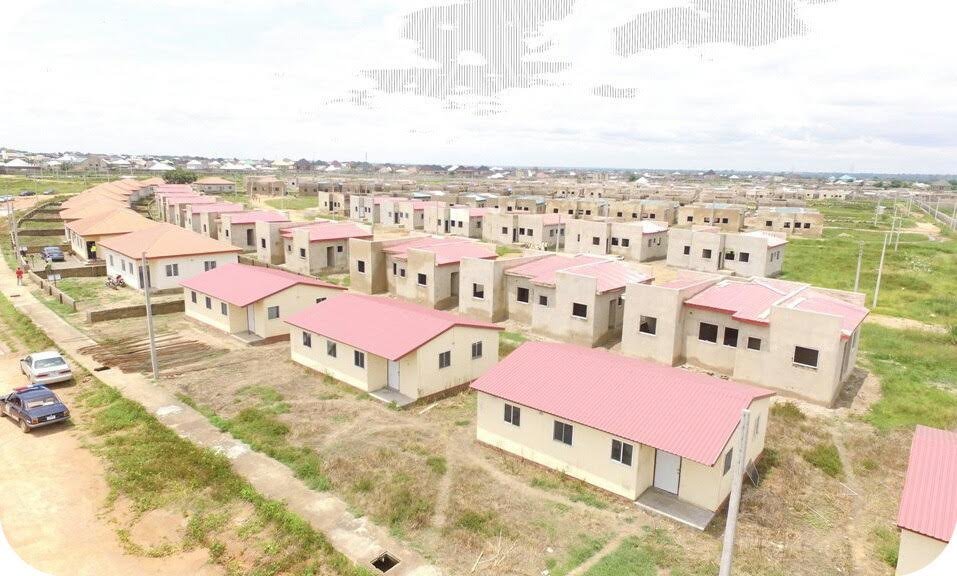
A 2025 report by Knight Frank indicates that short-term rentals and studio apartments are reshaping Nigeria’s housing landscape, driven by rising demand for compact, flexible living options in urban centres. The report noted that in a bid to accelerate housing delivery, the Lagos State Government is leveraging public-private partnerships across multiple levels, ranging from enabling private developers to jointly delivering specific housing projects. This approach spans new town developments such as the Ikoyi–Ibeju corridor, neighbourhood initiatives, and estate-level schemes, including Megamound’s 378-unit development and LBIC’s 64-unit maisonettes. It added that another PPP-based housing project has recently been launched in the Ibeju-Lekki corridor. Despite these interventions, the housing deficit remains wide, increasing pressure on tenants to explore alternative living arrangements. Rising rental demands by landlords have led to more rent defaults, prompting many residents to seek more affordable accommodation. As a result, there has been a growing shift toward suburban and developing areas such as Ikorodu and Ibeju-Lekki, where rental costs are significantly lower than in prime urban locations. This movement reflects a change in tenant priorities, with affordability increasingly taking precedence over proximity to city centres. The report highlighted that short lets and studio apartments are playing an increasingly important role in the Lagos property market. Demand for these housing types has been fuelled by the expansion of hybrid and remote work, allowing young professionals greater flexibility in choosing lower-cost accommodation. In addition, increased local and international tourism has boosted demand for short-term rental properties, further strengthening their presence in the residential market. Beyond housing, the report observed that Lagos’s retail real estate sector is adjusting to economic pressures and reduced consumer purchasing power by aligning more closely with changing shopping habits. Consumers are increasingly favouring convenience and proximity, driving demand for smaller, neighbourhood-based retail outlets rather than large regional malls. This shift has created opportunities for agile local retailers, who are outperforming international brands in meeting hyper-local needs. Examples include Bokku! Mart, which expanded from its launch in 2022 to nearly 150 outlets across Lagos, alongside similar growth by brands such as Addide and Primemart. On the office market, the report noted signs of recovery following several challenging years. Occupancy levels in Grade A office buildings have risen from 65 per cent to 73 per cent, indicating stronger absorption of premium office space. However, average rents for Grade A offices in Ikoyi declined by 3.5 per cent year-on-year, falling from $57 to $55 per square metre per month, highlighting a tenant-favourable market where landlords prioritise occupancy over rent increases. Office activity is also gaining momentum in key commercial hubs such as Eko Atlantic City, supported by modern infrastructure, reliable utilities, advanced telecommunications, and a live-work-play design concept. These advantages have attracted major corporate tenants, with MTN Nigeria and First Bank relocating their headquarters to the area. MTN has secured a large parcel of land, while First Bank has commenced construction of its planned 43-storey headquarters. The presence of the United States Embassy’s diplomatic facility in the city is also contributing to its growing commercial profile. Meanwhile, the wider office market continues to evolve as landlords respond to oversupply and shifting demand. Strategies include converting vacant office buildings into residential, retail, or hospitality uses, as well as developing mixed-use projects that integrate offices with amenities such as shops, gyms, and leisure spaces. This model allows developers to diversify income sources while meeting the growing preference for integrated work-life environments.