Blog - Edupreneur Select

Bring to the table win-win survival strategies to ensure proactive domination. At the end of the day, going forward, a new normal that has evolved from generation.
eu.jpeg

4min5300
The European Union has reiterated its respect for Nigeria’s sovereignty, emphasizing that its partnership with the country remains rooted in mutual cooperation, peacebuilding, and the promotion of human rights — not external influence. EU Ambassador to Nigeria and ECOWAS, Gautier Mignot, made this known on Tuesday in Lagos during an interview with the News Agency of Nigeria (NAN), clarifying the EU’s position following recent comments by former U.S. President Donald Trump regarding Nigeria. Mignot explained that the EU’s stance is shaped by its enduring relationship with Nigeria and not by the opinions of other nations. “Our position is one of solidarity with Nigeria — with the victims of violence, with authorities working to safeguard lives, and with the Nigerian people who aspire to peaceful coexistence beyond ethnic and religious divides,” he said. He reaffirmed that the EU and its member states fully respect Nigeria’s sovereignty and its constitutional commitment to religious neutrality. According to him, the Union is ready to strengthen its cooperation with Nigeria in areas of peace, security, defence, and dialogue involving civil society, traditional, and religious leaders. Mignot added that the EU continues to support peacebuilding programmes across the country, including deradicalisation, demobilisation, and reintegration initiatives for former members of armed groups in the North-East. He further emphasized the EU’s dedication to protecting all communities, particularly minorities, and promoting freedom of religion and belief. While acknowledging that Nigeria still faces human rights challenges, he noted that the country’s legal and institutional frameworks provide a foundation for protecting fundamental freedoms. “The situation, as in any country, is not perfect, but there is a constitutional basis for the protection of human rights. It is up to Nigerian authorities and society at large to sustain and strengthen this environment of peaceful coexistence,” he stated. Mignot explained that the EU’s support is impartial, assisting all victims of violence regardless of the motives behind the conflicts. He also noted that the EU’s engagement with Nigeria remains stable and predictable, guided by shared goals rather than external influence. “The cooperation between Nigeria and the EU is built on common interests in a stable, prosperous, and democratic Nigeria,” he said. He disclosed that a new dialogue on peace, security, and defence between Nigeria and the EU is expected soon as part of ongoing efforts to deepen strategic collaboration. Mignot concluded that the EU’s guiding principle is to help Nigeria strengthen its stability and prosperity, noting that “the country’s future lies firmly in the hands of Nigerians themselves.”

FA3C1337-C015-476F-997D-51CE59DF763E-e1715733712870.jpeg

3min2620
Crude oil production in Nigeria, Libya, and Venezuela declined in October, dragging down output levels across the Organisation of the Petroleum Exporting Countries and its allies (OPEC+), despite efforts to boost supply. According to a Reuters report on Tuesday, OPEC’s overall production increased by only 30,000 barrels per day (bpd) in October — a significant slowdown compared to the 330,000 bpd growth recorded in September. This modest rise fell short of expectations set by earlier agreements to expand output. Data from OPEC’s October Monthly Oil Market Report, cited by Channels Television, revealed that Nigeria’s crude output, which had fluctuated between 1.3 and 1.4 million bpd from January to June 2025, briefly rose to 1.5 million bpd in July before dropping again to 1.4 million in August and 1.3 million in September. The Group Chief Executive Officer of the Nigerian National Petroleum Company Limited (NNPCL), Bayo Ojulari, linked the recent decline to disputes involving the Dangote Refinery and unions — specifically the Nigeria Union of Petroleum and Natural Gas Workers and the Petroleum and Natural Gas Senior Staff Association of Nigeria. Meanwhile, oil prices slipped on Wednesday amid a stronger U.S. dollar and broader market weakness as traders reassessed supply conditions. Brent crude futures dropped by six cents (0.1%) to $64.38 per barrel at 5:08 a.m. WAT — a near two-week low. U.S. West Texas Intermediate declined by 10 cents (0.17%) to $60.46 per barrel, while the OPEC Basket dipped by 0.26 cents (0.39%) to $66.72. Analysts noted that bearish market sentiment and a flight to safe-haven assets weighed on oil prices. “Crude oil is trading lower as risk sentiment turned sharply negative, strengthening the U.S. dollar and putting pressure on prices,” said IG market analyst Tony Sycamore. ANZ analysts also observed that investors had “moved out of energy markets amid growing risk aversion.” Additional downward pressure came after the American Petroleum Institute reported an increase in U.S. crude inventories for the week ending October 31. On the supply side, OPEC+ confirmed plans to raise production by 137,000 bpd in December but indicated that further increases would be paused during the first quarter of 2026. Analysts at LSEG, however, warned that the pause was “unlikely to provide significant support to oil prices in November and December.”

Tinubu.webp

4min1400
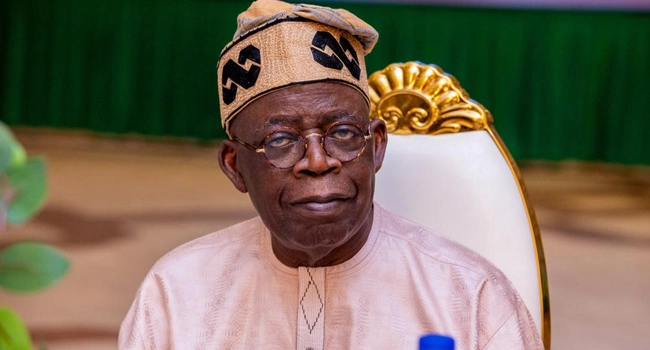
The All Progressives Congress chapter in the United States has appealed to former U.S. President Donald Trump to prioritize diplomacy over military action following Nigeria’s recent designation as a “Country of Particular Concern” (CPC). In a statement released in Washington on Tuesday, APC USA Chairman, Prof. Tai Balofin, praised Trump’s commitment to promoting global religious freedom but emphasized that diplomatic engagement remains the most effective means of addressing Nigeria’s security challenges. “President Trump’s vigilance honors the sacred values shared by both America and Nigeria. However, history teaches that lasting peace is achieved through dialogue, not division,” Balofin said. Trump’s remarks, made on October 31 and reinforced by a November 2 post on his Truth Social platform urging U.S. forces to “prepare for possible action,” have drawn widespread reactions. In response, President Bola Tinubu described the U.S. designation as a “gross exaggeration,” reaffirming his administration’s dedication to collaborating with international partners to combat extremism and preserve national unity. Balofin cautioned against misrepresenting Nigeria’s complex security realities, noting that the violence often stems from resource-based and communal conflicts affecting both Christians and Muslims. He explained that many of the major incidents cited in global reports occurred before Tinubu assumed office in 2023, adding that the current administration has since taken decisive steps to strengthen security. Referring to the June 2025 Yelwata massacre in Benue State, where over 200 Christians lost their lives, Balofin commended Tinubu’s swift intervention, which included visiting the affected area, ordering immediate arrests, and ensuring that 41 suspects were detained within weeks. “President Tinubu displayed empathy and firm leadership, sending a strong message that impunity will not be tolerated,” he stated. He dismissed allegations of government indifference as politically driven narratives aimed at undermining the president ahead of the 2027 elections. “Certain opposition figures are deliberately distorting facts to weaken Tinubu’s administration and derail its reform agenda,” Balofin said, adding that such misinformation could discourage international cooperation and investment. Balofin urged the U.S. government to reinforce its partnership with Nigeria through judicial reforms, interfaith dialogues, and diaspora-led initiatives that foster mutual understanding and accurate representation of events. He also reassured Nigerians in the diaspora that diplomatic channels are actively working to ease tensions and correct misconceptions. “Through APC USA’s advocacy and backchannel engagements, President Trump will be fully briefed, preventing unnecessary escalation. Our commitment to bridge-building remains steadfast,” he said. Balofin concluded by emphasizing that the current dispute offers “an opportunity to deepen U.S.–Nigeria relations built on mutual respect, cooperation, and shared democratic values.”

Tech & Tools Desk5 November 2025
china.jpg

3min5500
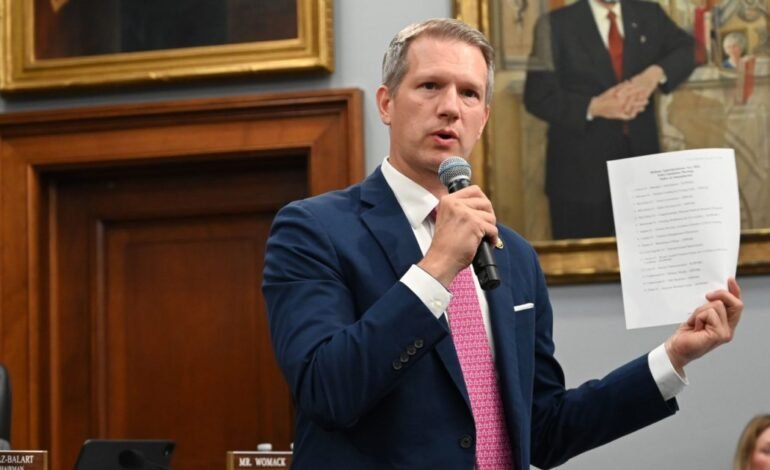
United States lawmaker Riley Moore has criticized China for cautioning Washington against a proposed military intervention in Nigeria over alleged persecution of Christians, asserting that Beijing cannot dictate America’s foreign policy decisions. In a post on his X handle on Tuesday, Moore expressed his support for former US President Donald Trump’s stance on protecting Christians in Nigeria, saying the United States has a moral duty to defend religious freedom. “President Trump is absolutely right to stand up for our brothers and sisters in Christ who are enduring severe persecution and even martyrdom for their faith,” Moore wrote. He also accused China of hypocrisy, citing its record on human rights. “China will not dictate our foreign policy, and we will not be lectured by a communist regime that recently arrested 30 Christian pastors and continues to detain ethnic minorities in concentration camps,” he added. Moore’s comments came after reports that Beijing had warned Washington against what it described as interference in Nigeria’s domestic affairs. The caution followed Trump’s threat of direct intervention to protect Christian communities reportedly targeted by violent attacks. China has expressed its support for the Nigerian government, stating that it backs the country’s right to pursue development paths aligned with its national interests. During a press briefing on Tuesday, Chinese Foreign Ministry spokesperson Mao Ning said, “As a comprehensive strategic partner of Nigeria, China firmly supports the Nigerian government in leading its people on a development path suited to its national realities. We oppose any interference in other countries’ internal affairs under the pretext of religion or human rights, as well as the threat or use of force.” In response to Trump’s remarks, Nigeria’s Federal Government urged Washington to respect the nation’s sovereignty and refrain from deploying troops to its territory.

James Obasi5 November 2025
Doctors.jpg-6-12-22-1062x598-1.jpg

3min2800
The Association of Resident Doctors under the Federal Capital Territory Administration (ARD-FCTA) has confirmed the partial payment of salary arrears and the Medical Residency Training Fund (MRTF) by the FCT Administration but says its indefinite strike will continue until all pending demands are fully addressed. In a statement signed by its President, Dr. George Ebong, the association described the payment as a positive first step toward meeting its demands but noted that several doctors were still excluded from the latest disbursements. According to the statement, 28 doctors who had been owed salary arrears for periods ranging from one month to one year received payment two nights ago. However, it explained that the MRTF was not paid to all affected doctors, leaving 47 still awaiting their entitlements. Salaries for October were also paid on Tuesday. ARD-FCTA, which represents doctors in 14 district and general hospitals as well as the Department of Public Health under the FCTA, began its indefinite strike on Saturday. The action aligns with the nationwide strike declared by the Nigerian Association of Resident Doctors (NARD) to demand better working conditions, improved welfare, and fair remuneration. Providing further details, the association stated, “Two nights ago, 28 doctors owed salary arrears for up to one year were paid. Some doctors also received their MRTF, but out of 150 owed, only 103 were settled, leaving 47 unpaid. Salaries for October were also released on Tuesday.” While expressing appreciation to the FCT Minister, Nyesom Wike, for initiating responses to their concerns, the doctors insisted the strike would not be suspended until every outstanding issue is resolved. “Our demands include the immediate payment of the remaining 47 doctors owed MRTF, settlement of external resident doctors owed six to seven months’ salaries, payment of skipping and promotion arrears, Post-Part 2 conversion arrears, implementation of the 25–35% CONMESS adjustment already applied in federal institutions, payment of wage awards and 13-month hazard allowance arrears since 2021, as well as improved working conditions and employment of more staff,” the statement read. The association emphasized that the government should not wait for strikes before responding to workers’ grievances. “We appreciate the efforts of the FCT Minister and the ongoing dialogues with the National Assembly and FCTA management. However, the indefinite strike continues until all outstanding demands are met,” the doctors stated.

HIV-Test-Malawi.jpg

7min2670
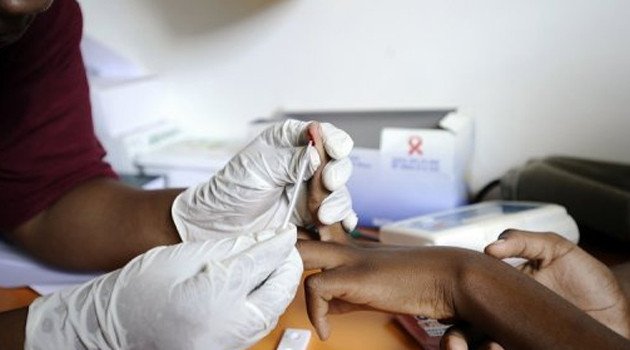
For 38-year-old Faith, living with HIV is no longer a death sentence — not when treatment and support are within reach. The Lagos-based businesswoman, who tested positive for the Human Immunodeficiency Virus (HIV) in 2023, said counselling and care from health workers helped her accept her diagnosis and live confidently despite the stigma surrounding the condition. Faith discovered her status during a free community HIV testing programme held in Ajegunle, Ajeromi-Ifelodun Local Government Area of Lagos State. “I never imagined I could have HIV. I was always treating malaria and didn’t know something else was wrong,” she recalled. “I was devastated at first, but with counselling and support, I decided to move on with my life.” Following her diagnosis, Faith was enrolled in a treatment programme and has since remained committed to her antiretroviral therapy (ART). She regularly checks her CD4 count — a key indicator of immune health — and says her results have been encouraging. “The drugs are free and always available at the clinic,” she said. “The doctor told me that with the right treatment and support, HIV won’t stop me from living a long and fulfilling life.” Faith’s journey is one of thousands made possible through the Accelerated Control for HIV Epidemic Cluster 6 (ACE-6) project — a USAID/PEPFAR-funded initiative designed to fast-track HIV epidemic control in Lagos, Bayelsa, and Edo States. Implemented by Heartland Alliance LTD/GTE (HALG) in partnership with Pathfinder International, KNCV Nigeria, and others, the five-year programme has delivered high-impact interventions across 37 local government areas, focusing on prevention, case finding, treatment, and care. Through innovations such as digital record systems (LAMIS Plus), Plasma Separation Cards, and AI-based testing models, the project has enhanced efficiency and improved health outcomes. By 2025, ACE-6 had facilitated over 2.17 million HIV tests, placed 34,264 new patients on ART, and achieved a 96 percent viral suppression rate. Additionally, 29,698 people were on pre-exposure prophylaxis (PrEP), while 29,357 women were screened for cervical cancer. In Lagos, the project’s technology-driven approach reduced viral load testing time from 30 days to just three, ensuring timely results and better patient outcomes. Similar progress has been recorded in Bayelsa and Edo, where mobile clinics reach remote communities, including riverine areas. In Bayelsa, Peter — another beneficiary — shared how he regained his health after being diagnosed with HIV in 2022. “I live in a riverine area, but I still have access to treatment and regular tests. The drugs are free and available,” he said. Experts from the three states and the Nigerian Institute of Medical Research (NIMR) have praised the impact of ACE-6 while calling for its sustainability as donor funding winds down. At NIMR, the project introduced technological innovations that reduced viral load test turnaround time from 30 days to three. According to Professor Oliver Ezechi, Director of Medical Research at NIMR, “The project strengthened our laboratory systems and digitalised client records. Between 2022 and April 2024, our Mega PCR Lab processed over 715,000 viral load samples.” He noted that Nigeria must now take full ownership of its HIV response by integrating HIV services into broader health systems to reduce costs and stigma. The Permanent Secretary, Lagos State Ministry of Health, Dr. Olusegun Ogboye, said the digitalisation of patient records through LAMIS Plus significantly improved service delivery and data quality, while the state’s HIV Programme Coordinator, Dr. Oladipupo Fisher, highlighted that over 50,000 people had been placed on treatment through the project. In Bayelsa, the Director of Public Health, Dr. Jones Stow, emphasised that sustaining the initiative would depend on domestic financing and the institutionalisation of outreach programmes. Similarly, in Edo State, Permanent Secretary of the Ministry of Health, Dr. Stanley Ehinarimwian, noted that the project enhanced health worker capacity, improved data systems, and aligned HIV services with national policies. Dr. Eguasa Driscoe Owen, the State HIV/AIDS and STI Coordinator, said the introduction of biometric verification and family-based testing under the project helped track clients more effectively. “We now use biometrics because clients often move across states,” he explained. “We also test their partners and children to ensure no one is left behind.” With sustained commitment and local investment, experts say Nigeria can build on ACE-6’s legacy and move closer to achieving its goal of ending AIDS by 2030.

cancer-1280x731.jpg

5min4440
A United States–based Nigerian oncology researcher and nurse practitioner, Edith Declan, has urged the Federal Government to provide free annual preventive health screenings for all citizens, emphasizing that early detection and prevention remain the most effective ways to reduce cancer-related deaths in Nigeria. Declan explained that one of the country’s major challenges in cancer control is the lack of structured preventive healthcare and public awareness. “The first and most important step in cancer control is prevention,” she said. “Our world is already filled with carcinogens—from the food we eat to the air we breathe. What we can do is promote awareness, early screening, and lifestyle changes. That’s where policy intervention makes the greatest impact.” Declan, a clinical translational research and community engagement nurse practitioner at Texas Southern University, advocated for a national policy that would entitle every Nigerian to free yearly medical screening. “Government can make preventive health free. Every citizen should have a health card that guarantees access to annual screenings — prostate tests for men, mammograms for women, cervical cancer checks, and more. Early detection saves both lives and costs,” she said. According to her, Nigeria’s high cancer burden is worsened by late diagnosis and a lack of research-driven health policies. She suggested that the government strengthen existing research and oncology institutions rather than create new ones, while also collaborating with international pharmaceutical firms for cancer research. Declan, whose research focuses on breast and prostate cancer prevention, said she plans to extend her U.S.-based cancer prevention program to Nigeria. Her ongoing $2 million grant-funded initiative in Texas provides free breast cancer screenings for 2,400 women and health education for 15,000 women over three years. “I plan to bring free breast, prostate, cervical, and lung cancer screenings to Nigerian communities soon,” she stated. Highlighting the toll cancer takes on patients, she described it as both physically and emotionally draining. “The words ‘you have cancer’ change everything — patients start worrying about survival, family, and finances. Without health insurance, the financial burden becomes unbearable,” she said. She also identified poor diet, alcohol consumption, lack of exercise, and obesity as major risk factors for cancer in Nigeria. “Sugary and fatty foods, alcohol, and a sedentary lifestyle increase cancer risk. Even our staple foods, like rice, have high glycaemic levels. Combined with environmental hazards, the danger multiplies,” she warned. Declan further stressed the importance of maintaining family health records, noting that genetic awareness is vital for cancer prevention. “Many Nigerians don’t know their family’s medical history. Some still attribute cancer to spiritual causes, but genetics plays a huge role,” she said. Through her nurse training institute, Penn Health Institute, Declan integrates academic and community engagement, using data-driven approaches to improve both nursing education and public health awareness. “Treatment is costly and only reaches a few, but prevention is affordable and can save millions. That’s where our focus should be,” she added. For aspiring oncology nurses, Declan advised, “This field requires emotional strength and a clear purpose. It’s not easy watching patients decline, but helping them live longer and better makes it deeply rewarding.” She reaffirmed her commitment to bringing cancer awareness and preventive care to Nigerian communities, stating, “Cancer doesn’t have to be a death sentence. With awareness, screening, and healthier living, we can save countless lives.”

healthcare-.jpg

4min6200
The Minister of State for Health and Social Welfare, Dr. Iziaq Salako, has disclosed that Nigeria is grappling with a critical shortage of doctors, revealing that one doctor currently caters to about 3,500 patients. Speaking at a press conference in Abuja on Monday, Salako noted that the global deficit of healthcare professionals has intensified cross-border migration, with many Nigerian doctors moving abroad as countries compete for limited medical talent. The briefing took place amid the ongoing strike by the Nigerian Association of Resident Doctors, which began on Saturday over issues related to welfare, poor working conditions, and government policies. The association cited staff shortages, unpaid entitlements, and weak retention strategies as factors worsening the country’s already stretched doctor-to-patient ratio. “There’s a shortage of health workers globally, and Nigeria is no exception. Currently, one doctor attends to about 3,500 patients. Even when we attempt to employ, there often aren’t enough available candidates to meet the WHO-recommended standard. This global shortage fuels migration since, like any scarce resource, demand drives movement,” he explained. Salako acknowledged that Nigeria’s economic realities have compounded the problem but assured that the government is implementing measures to expand local training capacity for healthcare professionals. “It’s a global challenge, but we’re addressing it. The government is investing in medical education to produce more health workers, though results will take time,” he said. He added that the government is exploring a system where medical professionals who migrate can still contribute to national revenue through structured overseas engagement policies. Responding to questions on the employment of temporary (locum) doctors, Salako clarified that the Federal Government has authorized hospital chief executives to recruit locum staff to fill urgent gaps pending permanent employment approvals. “Because of the high migration rate, hospitals are allowed to hire locum doctors temporarily. Permanent recruitment is a more complex process that involves several agencies and takes time,” he stated. He revealed that the government now adopts a two-tier strategy — annual recruitment through official waivers for permanent staff and interim hiring of locum workers between recruitment cycles. Salako added that a standardized protocol is being developed to guide medical directors on locum recruitment, ensuring fairness and priority consideration for regular employment when opportunities arise.

Tech & Tools Desk4 November 2025
best-graduate.jpeg

2min2280
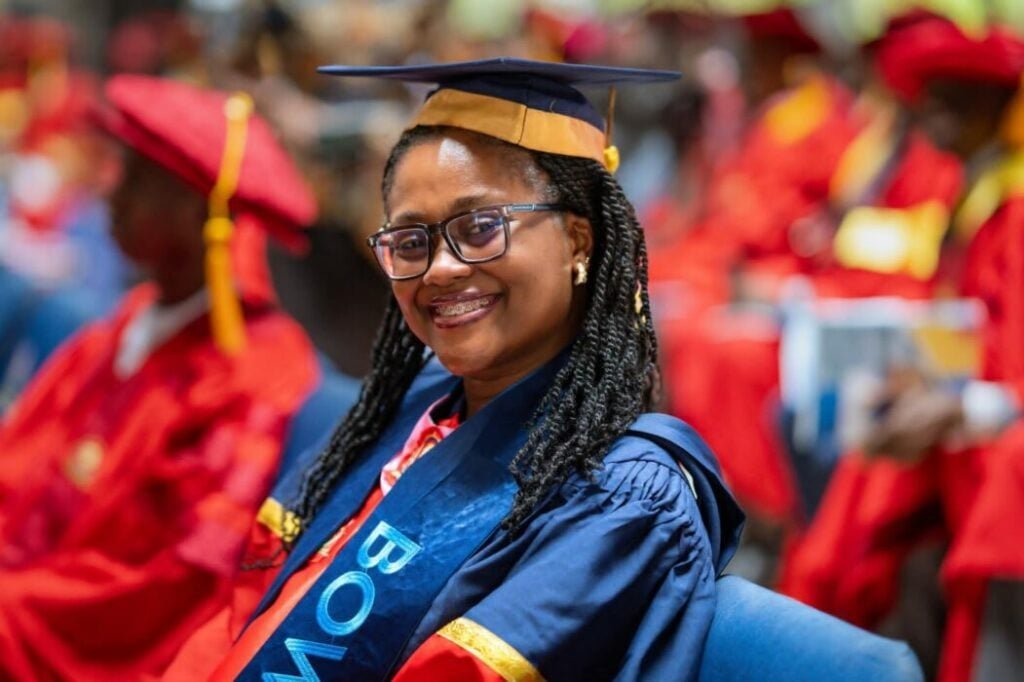
Bowen University in Iwo, Osun State, has celebrated Lotechukwu Isioma Ikpo for achieving a historic milestone as its first-ever graduate to earn a perfect 5.0/5.0 Cumulative Grade Point Average (CGPA). The institution announced the achievement on its official Facebook page on Monday, praising Ikpo’s journey as one defined by determination, discipline, and inspiration. During the university’s 25th Convocation Ceremony, Ikpo was named the Best Graduating Student, marking a proud moment for the institution. According to the university, her academic success was even more remarkable given the personal trials she faced, including the loss of her father during her second year. Despite the setback, she persevered and turned her pain into motivation. Her remarkable feat earned her several awards, including a fully funded Master’s scholarship. “With tears of joy, she walked the stage multiple times, receiving numerous awards,” the university shared, adding that her story exemplifies the power of passion and perseverance. Bowen University encouraged other students to draw inspiration from her success, reminding them that “there are no limits to what can be achieved when one stays focused.” Ikpo’s achievement was officially recognized during the 25th Convocation Ceremony of the university, owned by the Nigerian Baptist Convention, on Saturday, November 1, 2025.

James Obasi4 November 2025
aa-1280x720.jpg

4min1810
The Christian Association of Nigeria (CAN) in the 19 Northern states and the Federal Capital Territory has called on Christians and Muslims to embrace peace and unity in response to former U.S. President Donald Trump’s recent remarks on alleged persecution of Christians in Nigeria. Rev. John Hayab, Chairman of the association, stated in an interview with the News Agency of Nigeria (NAN) on Tuesday that Trump’s statement should not be viewed as divisive but rather as an appeal for Nigerians to work together to end killings and religious intolerance nationwide. Trump had recently alleged that Christians in Nigeria were being persecuted and urged the international community to pay attention to the issue — a comment that has since stirred debate both within and outside the country. According to Hayab, the remarks should be seen as a wake-up call for citizens of all faiths to demand concrete action from the government to safeguard the lives and rights of every Nigerian, regardless of religion or ethnicity. “Trump’s statement about alleged Christian genocide in Nigeria should inspire peace-loving Christians and Muslims to unite and press the government to stop the killing of anyone based on religion or identity,” Hayab said. He noted that a fair interpretation of Trump’s words shows concern rather than criticism, describing them as the voice of an outsider urging Nigerians to promote harmony. “If you read President Trump’s statement with an open mind, you’ll see the voice of someone who genuinely cares and wants Nigerians to take meaningful steps toward lasting peace and unity,” he added. The cleric warned against individuals or groups attempting to twist the message for political or religious gain, stressing that such actions only deepen national division. “We must ignore those who manipulate or misinterpret his words to set us against one another,” Hayab cautioned. He further clarified that Trump’s warning targeted terrorists, not Nigerians, and questioned why anyone would take offense unless they identified with the perpetrators. Hayab emphasized that what Nigerians need most is the freedom to practice their beliefs without fear or discrimination. “All we desire is freedom for everyone — Christians, Muslims, or free thinkers — to practice their faith without intimidation,” he stated. He concluded by urging religious leaders, public officials, and citizens to prioritize peacebuilding, unity, and true national reconciliation.