Category: Refined Living

zz-49.jpg

3min5720
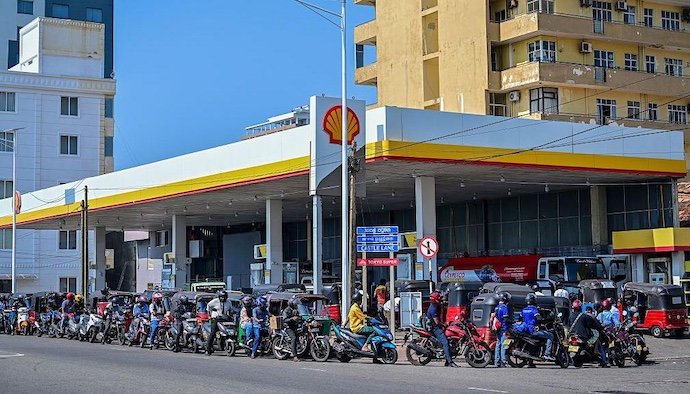
Sri Lanka has announced that all public institutions will close on Wednesdays to conserve fuel amid concerns over potential shortages following the US and Israel’s military actions against Iran. “We must prepare for the worst, but hope for the best,” President Anura Kumara Dissanayake said during an emergency meeting with senior officials on Monday. The move is part of a broader set of energy-saving measures being implemented across Asia after disruptions in the Strait of Hormuz, a key route for millions of barrels of oil from the Gulf to the region. Last year, nearly 90% of the oil and gas passing through the strait was destined for Asian countries, the world’s largest oil-importing region. Energy-saving measures in other Asian countries Thailand: Citizens are being encouraged to wear short-sleeved clothing to reduce dependence on air conditioning. Myanmar: Private vehicles are now allowed on the roads only on alternate days based on licence plate numbers. Bangladesh: Universities have moved up Ramadan holidays, and nationwide scheduled blackouts have been introduced. Philippines: Some government offices require staff to work from home one day a week, while non-essential public sector travel has been banned. President Ferdinand Marcos Jr also announced cash support of 3,000–5,000 pesos ($50–84) for tricycle drivers, farmers, and fishermen to offset rising fuel costs. Vietnam: Authorities are urging people to stay home when possible, ride bicycles, carpool, use public transport, and limit personal vehicle use. Measures in Sri Lanka The new four-day week will also include schools and universities, though essential services such as healthcare and immigration will continue operating. Officials chose Wednesday as the additional day off to avoid three consecutive days of closure for government offices. Sri Lanka has also introduced a National Fuel Pass, limiting fuel purchases to 15 litres for private cars and five litres for motorcycles. Some citizens have expressed dissatisfaction, saying the quotas are too low. The rationing system was first introduced in 2022 during Sri Lanka’s severe economic crisis, when the country ran out of foreign reserves and struggled to import essentials, including fuel. Oil prices have surged since the US and Israel launched attacks on Iran last month and are currently hovering around $100 per barrel.

zz-23.webp

2min5490
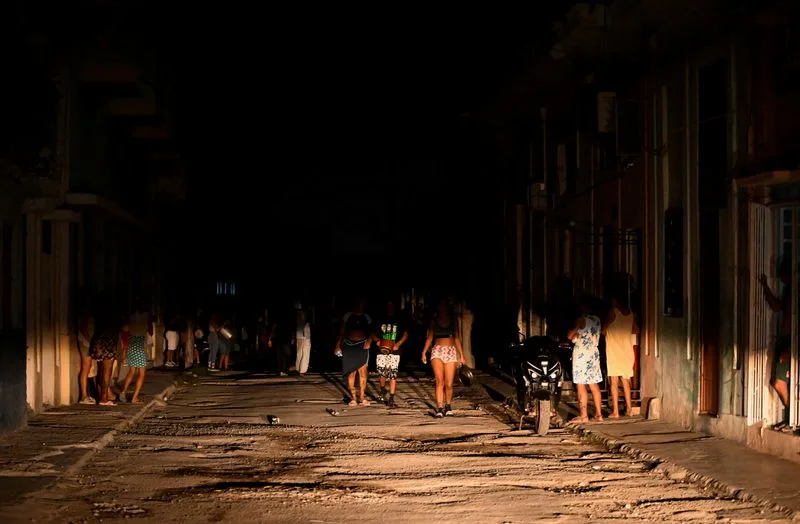
Millions of Cubans have been plunged into darkness after the country’s national power grid collapsed on Monday, according to its electricity operator. The outage is the latest in a series of widespread blackouts affecting the island, where persistent fuel shortages have been worsened by restrictions on oil supplies. Officials said efforts were underway to gradually restore electricity across provinces and major cities. Cuba, home to around 10 million people, has struggled with recurring power failures in recent years—an issue that has fuelled public frustration and sparked rare protests. The country depends heavily on imported fuel, with Venezuela previously supplying a significant share of its needs. However, those shipments have been disrupted, further straining energy production. Authorities confirmed that no oil deliveries have reached the island in the past three months, deepening the crisis. The United States has increased pressure by intercepting oil shipments bound for Cuba and warning of potential penalties for countries supplying fuel to the island. Meanwhile, recent comments from U.S. President Donald Trump suggested a hardline stance toward Cuba, even as reports indicate preliminary talks between both countries are underway to ease tensions. Frequent outages driven by fuel shortages and an ageing power infrastructure have continued to disrupt daily life, with residents increasingly forced to adapt to prolonged periods without electricity.

zz-48.jpg

4min9940
The United Nations Children’s Fund has delivered nutrition supplies valued at about N600 million to the Bauchi State Government to support efforts to treat and prevent malnutrition among children. The items include Ready-to-Use Therapeutic Food and Small Quantity Lipid-Based Nutrient Supplements, procured through the Child Nutrition Fund. Speaking at the handover ceremony in Bauchi on Saturday, the Chief of the UNICEF Bauchi Field Office, Dr Nuzhat Rafique, said the consignment consists of 4,562 cartons of RUTF and 15,419 cartons of SQLNS, aimed at tackling severe and moderate malnutrition in children. She noted that Bauchi remains among the states with a high prevalence of child malnutrition, stressing the importance of improving nutrition practices at the household level. According to her, about 16 per cent of children aged six months to three years in the state are undernourished. Rafique emphasised the need to complement therapeutic feeding with better awareness and proper child nutrition practices at home. She explained that the supplies were secured through a matching grant arrangement, with the Bauchi State Government contributing N300 million, matched by the Child Nutrition Fund through UNICEF, bringing the total to N600 million. Highlighting the situation among internally displaced persons, Rafique revealed that a recent assessment at an IDP camp in Kashere found more than 80 per cent of children to be malnourished, with many also suffering from anaemia and requiring urgent intervention. She called for immediate mobilisation of resources to support displaced residents, estimating that at least 200 cartons of RUTF and 100 cartons of SQLNS are needed to address urgent cases in the camp. Rafique also commended the state government for pledging N500 million for child nutrition programmes in 2026, expressing hope that the amount would be matched to boost the availability of life-saving nutrition supplies. Receiving the items on behalf of the government, Governor Bala Mohammed, represented by his deputy, Auwal Jatau, assured that the supplements would be properly utilised to address severe acute malnutrition among children. He explained that the RUTF would be used to treat children aged six to 59 months, while SQLNS would help prevent malnutrition among children aged six to 23 months. He described the donation as a strong indication of continued collaboration aimed at improving child health and wellbeing in the state. The governor added that the initiative aligns with efforts to strengthen primary healthcare, particularly in maternal, newborn, and child health, nutrition, and immunisation. He noted that the state had earlier contributed N300 million to the Child Nutrition Fund in 2025 and pledged increased investment in child nutrition. Mohammed also reaffirmed the government’s commitment to the Abuja Declaration, which recommends allocating at least 15 per cent of annual budgets to the health sector. He directed the state Primary Health Care Development Board, through the Ministry of Health, to set up a monitoring committee to ensure proper distribution and effective use of the supplies so they reach the intended beneficiaries.

zz-22.webp

3min2990
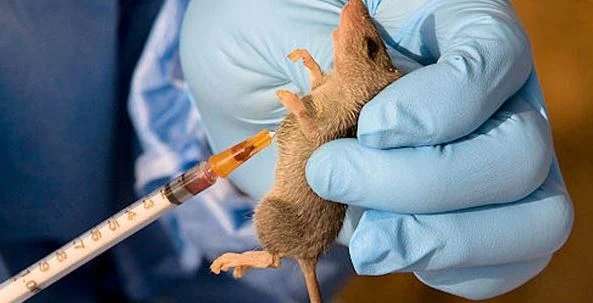
Lassa fever deaths in Nigeria have risen sharply from 99 to 109 within a week, exceeding figures recorded during the same period in 2025. The outbreak has also increasingly affected healthcare workers. Data from the Nigeria Centre for Disease Control shows that at least 37 health workers were infected in the first nine weeks of 2026, with six cases reported in a single week. The disease has spread across at least 18 states, each recording one or more confirmed cases. However, the majority of infections are concentrated in a few areas, with 86 per cent of confirmed cases reported in Bauchi, Ondo, Taraba, Benue, and Edo states. As of the ninth week of 2026, the country has recorded 109 deaths, with a case fatality rate of 23.2 per cent higher than the 18.7 per cent recorded during the same period last year. Breakdown of the figures shows Bauchi accounting for 28 per cent of cases, followed by Ondo at 22 per cent, Taraba at 19 per cent, Benue at 9 per cent, and Edo at 8 per cent, while the remaining 14 per cent are spread across 13 other states. Young adults between the ages of 21 and 30 remain the most affected group, with a male-to-female ratio of 1:0.8 among confirmed cases. Although the number of suspected and confirmed cases has declined compared to 2025, new infections among healthcare workers continue to raise concern. Health authorities have urged states to strengthen year-round public awareness campaigns and encourage early detection, advising healthcare workers to maintain a high index of suspicion. Efforts to contain the outbreak have included a national press briefing, updated infection prevention and control guidelines, and the activation of emergency response systems in several states, alongside field missions and data coordination with heavily affected regions. Challenges persist, including delayed hospital visits, poor health-seeking behaviour driven by treatment costs, and inadequate environmental sanitation in high-risk areas. Lassa fever is a zoonotic viral disease transmitted primarily through contact with food or household items contaminated by the urine or faeces of infected Mastomys rats. It remains endemic in Nigeria and several West African countries, with cases continuing to rise since a major outbreak in 2016.

zz-21.webp

5min3850
Nigeria is facing a deepening healthcare workforce crisis as the continued migration of medical professionals places increasing strain on an already fragile system, the Minister of State for Health and Social Welfare, Iziaq Salako, has said. Salako sounded the warning on Monday while delivering a keynote address at the 2026 United Kingdom Global Health Summit held at the Royal College of Physicians in London. He explained that the ongoing exodus of Nigerian health workers, widely known as “japa,” has worsened manpower shortages and intensified pressure on the country’s overstretched health sector. According to details of his address, Nigeria currently has about four doctors per 10,000 people well below the World Health Organisation’s recommended minimum of 10 per 10,000. Describing the situation as urgent, Salako said the global health workforce shortage is already a crisis, not a distant threat. He noted that although Africa bears more than a quarter of the world’s disease burden, it accounts for less than three per cent of the global health workforce. He added that the challenge is particularly severe in Nigeria, where shortages of doctors, nurses, midwives, and other health professionals have reached critical levels. The minister revealed that migration has significantly worsened the deficit, citing UK data showing that 13,609 Nigerian health workers moved there between 2021 and 2022, making Nigeria one of the leading sources of foreign-trained personnel. He also referenced a 2023 survey indicating that 57 per cent of Nigerian doctors had taken active steps to relocate abroad in search of better opportunities. Salako noted that each doctor trained in Nigeria represents a substantial public investment, often exceeding $200,000, warning that their departure effectively shifts limited resources from a constrained system to wealthier countries. He described the trend as a global equity issue requiring coordinated international action. Nigeria’s healthcare sector has long struggled with underfunding, weak infrastructure, and heavy reliance on out-of-pocket spending by patients. Despite a population exceeding 220 million, access to quality care remains limited, especially in rural areas. Experts have consistently cautioned that continued migration could further undermine service delivery in public hospitals. Highlighting ongoing reforms, Salako said the Federal Government under President Bola Tinubu has introduced the Nigeria Health Sector Renewal Investment Initiative to strengthen coordination of policies and funding. The strategy is built on the principles of “One Plan, One Budget, and One Conversation” to improve accountability and efficiency. He also pointed to broader global pressures on healthcare systems, including economic instability, climate change, and geopolitical tensions. With global growth projected at between 2.7 and 3.1 per cent in 2026, he warned that fiscal constraints could limit health spending. Climate-related impacts are already evident, with rising heat-related deaths and extreme weather contributing to food insecurity. In Nigeria, challenges such as desertification in the North, flooding in the South, and pollution in oil-producing areas are worsening health outcomes and displacing communities. To tackle workforce shortages, Salako said the government has expanded training capacity, with medical school admissions rising by about 160 per cent between 2023 and 2025. Training for nurses, pharmacists, and laboratory scientists has also been scaled up. He added that authorities are strengthening community health worker programmes and implementing task-shifting policies to improve access to care in underserved areas. The government is also engaging Nigerian health professionals in the diaspora. Salako disclosed that seven diaspora associations across the UK, United States, Canada, Germany, Australia, and South Africa will carry out a coordinated medical mission in Nigeria between April and July, focusing on skills transfer and institutional support. With more than 150,000 Nigerian health professionals abroad, many in senior roles, he described the diaspora as a strategic resource for bridging capacity gaps. The minister called for stronger international collaboration, including ethical recruitment practices and support for countries that train health workers who later migrate. He urged developed nations to fully implement the WHO Global Code of Practice on the International Recruitment of Health Personnel and advocated for bilateral agreements that allow professionals to gain experience abroad while ensuring knowledge transfer back home. “No country can tackle the global health workforce crisis alone. Future health emergencies will not respect borders. Strengthening healthcare systems in developing nations is not charity it is a matter of global security,” he said.


zz-47.jpg

2min3320
Britain and Ukraine are preparing to sign a defence partnership focused on countering the growing threat posed by low-cost drones, Downing Street said ahead of a visit by Ukraine’s president on Tuesday. Since the escalation of tensions between the United States, Israel, and Iran last month, Tehran has largely deployed ballistic missiles against Israel while using drones to target locations in Gulf countries. According to the British government, the agreement is intended to strengthen global defence capabilities against the spread of affordable, high-tech military equipment, particularly drones. The partnership will draw on Ukraine’s extensive experience in countering drone attacks during its prolonged conflict with Russia, alongside the UK’s industrial capacity, to develop, manufacture, and supply drones and other advanced technologies. Prime Minister Keir Starmer noted that drones, electronic warfare, and rapid battlefield innovation have become critical to both national and economic security, a trend further intensified by the conflict in the Middle East. He added that closer defence cooperation would enhance Ukraine’s ability to resist ongoing Russian attacks while helping the UK and its allies better prepare for future threats. The agreement also includes £500,000 ($670,000) in funding to establish an AI Centre of Excellence within Ukraine’s Ministry of Defence. President Volodymyr Zelensky’s visit to London comes amid his concerns that the global focus on the Middle East crisis could divert attention from Ukraine’s war with Russia. Despite this, European allies have reaffirmed their commitment to supporting Kyiv, even as the United States eases some sanctions on Moscow in response to rising oil prices linked to the Middle East conflict.

zz-46.jpg

3min7490
The Publisher of Triangle International Magazine, Femi Salako, has said the organisation’s upcoming 10th anniversary lecture in United Kingdom aims to promote diaspora investment in Africa. Salako stated that the London event will bring together Africans in the diaspora, investors, and international development partners to explore opportunities for economic and institutional growth across the continent. He explained that hosting the event in London reflects the magazine’s international outlook and its growing influence beyond Nigeria. According to Salako, “Although Triangle International Magazine remains a proudly Nigerian brand, the publication has grown over the past decade into a respected platform celebrating distinguished Africans across sectors both on the continent and in the diaspora. London offers a global stage capable of attracting influential diaspora Africans, international development actors, investors, and strategic partners whose engagement is vital to Africa’s growth.” “One of the main objectives of the anniversary lecture is to encourage Nigerians and other Africans in the diaspora to deepen their economic and intellectual engagement with the continent by investing in Africa’s future,” he added. Salako noted that diaspora communities play a crucial role in Africa’s transformation through remittances, entrepreneurship, policy engagement, and institutional partnerships. He also highlighted the long-standing diplomatic, educational, and economic ties between Nigeria and the United Kingdom, describing London as both a symbolic and practical venue for discussions about Africa’s development. The publisher said the event will provide a platform to strengthen partnerships between African institutions and international stakeholders, while also promoting positive narratives about African leadership, enterprise, and opportunities. He emphasised that despite the London location, the magazine’s identity remains rooted in Nigeria. “The soul and identity of Triangle International Magazine remain deeply Nigerian. Hosting the anniversary in London is intended to expand our international mission while preserving our African vision,” Salako said. He added that the anniversary lecture and awards ceremony will gather policymakers, entrepreneurs, professionals, scholars, and members of the African community in the UK to discuss development challenges and opportunities across the continent. Salako described the 10th anniversary as a major milestone for the publication, marking a decade of storytelling, celebrating excellence, and building bridges across nations.

zz-45.jpg

2min6080
The Federal Government has responded to criticisms over President Bola Tinubu’s planned state visit to the United Kingdom, describing some of the reactions as either misinformed or intentionally misleading. Speaking to international media in the UK, the Minister of Information and Orientation, Mohammed Idris, said the trip reflects the long-standing partnership between Nigeria and the United Kingdom. Idris noted that some criticisms of government policies stem from inadequate understanding, while others appear to be driven by mischief. He emphasised that the visit underscores the historic and strategic ties between both nations, which are rooted in strong diplomatic, economic, cultural and democratic connections. According to the minister, the relationship between the two countries has for decades covered areas such as trade, education, security cooperation, cultural exchange and shared democratic values. He explained that the president’s visit offers an opportunity to deepen cooperation in key sectors including trade and investment, security collaboration, climate initiatives, education and technological innovation. Idris added that the engagement with international media was intended to clarify Nigeria’s policies and programmes implemented in recent years, while also addressing questions and receiving feedback. President Tinubu is expected to arrive in the United Kingdom on March 18, 2026, for the state visit, which will formally begin the following day. He and his wife, Oluremi Tinubu, will be hosted by Charles III at Windsor Castle. It will mark the first time a Nigerian leader will receive such a state honour at Windsor rather than Buckingham Palace. Senior Special Assistant to the President on Media and Publicity, Temitope Ajayi, said the visit will highlight the enduring relationship between Nigeria and the United Kingdom while strengthening cooperation between the two countries. Tinubu will become the fifth Nigerian leader to receive a UK state visit, following Abubakar Tafawa Balewa, Yakubu Gowon, Shehu Shagari, and Ibrahim Babangida.

zz-20.webp

4min4410
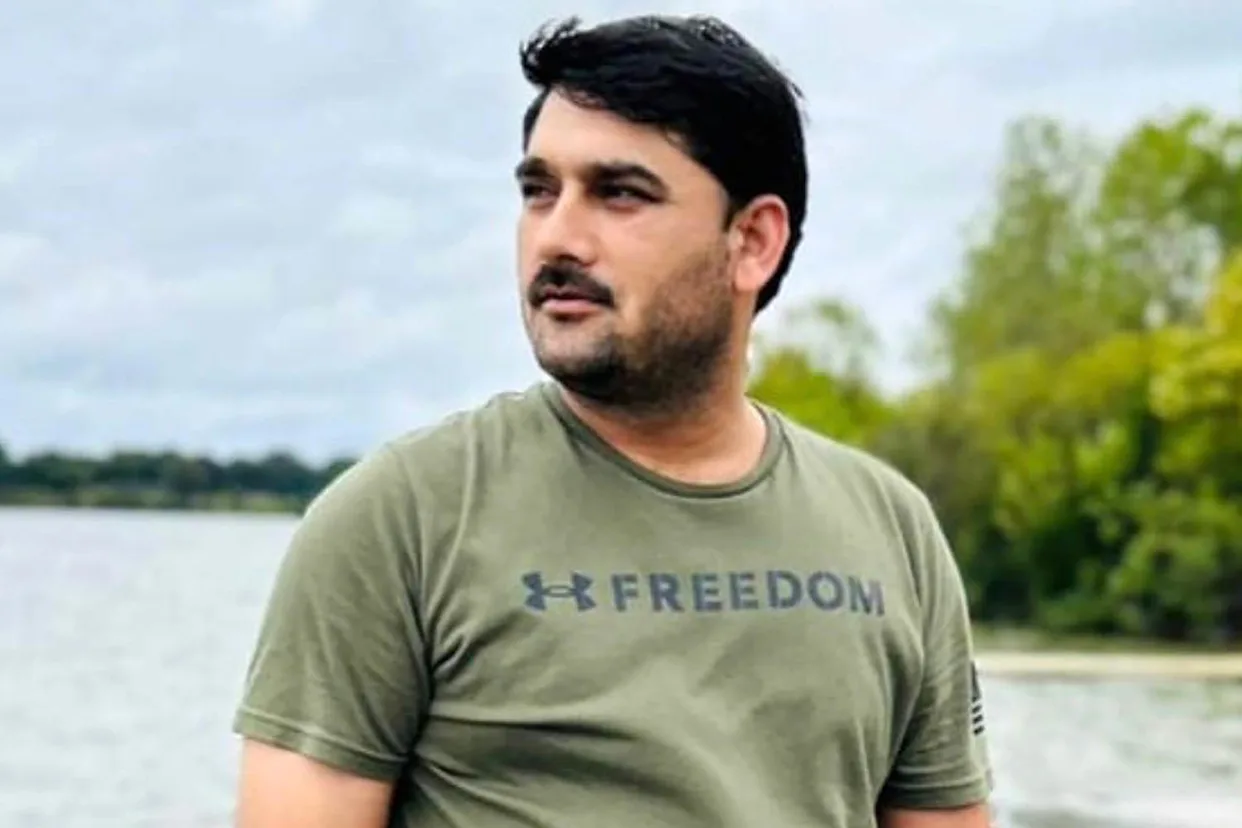
An Afghan man died in a Texas hospital less than 24 hours after being taken into the custody of US Immigration and Customs Enforcement (ICE), the agency said on Sunday, sparking calls for an investigation. The man, identified as 41-year-old Mohommad Nazeer Paktyawal, had previously worked with US Army Special Forces in Afghanistan. He was evacuated to the United States in 2021, where his asylum application remains pending, according to AfghanEvac, an organisation that assists with the resettlement of Afghans in the US. ICE said Paktyawal was arrested during a targeted enforcement operation on Friday and was later taken to Parkland Hospital in Dallas, Texas, after complaining of shortness of breath and chest pains. According to the agency, medical staff noticed early on March 14 that Paktyawal’s tongue had become swollen while he was eating breakfast, prompting an emergency response. Despite several attempts to revive him, he was pronounced dead at 9:10 a.m. ICE said the cause of death has not yet been determined and that the incident is under active investigation. The agency also noted that Paktyawal did not report any prior medical conditions when he was arrested. AfghanEvac called for an immediate and transparent inquiry into the circumstances surrounding his detention, medical treatment, and death, including oversight by the Department of Homeland Security’s inspector general and the US Congress. Paktyawal’s family described him as a father of six, with his youngest child just 18 months old. “We still cannot understand how this happened. He was only 41 years old and was a strong and healthy man,” the family said in a statement shared by AfghanEvac. Last week, the United Nations Committee on the Elimination of Racial Discrimination criticised ICE for what it described as the excessive use of force during immigration enforcement operations, noting that at least eight people have died during ICE operations or while in custody since January. ICE said Paktyawal entered the United States in August 2021 and that his parole status expired in August 2025. The agency also stated that he had been arrested twice last year over allegations related to fraud and theft involving the Supplemental Nutrition Assistance Program (SNAP), which provides food assistance to low-income households. AfghanEvac said those arrests did not lead to criminal charges and that, based on currently available information, Paktyawal had not been convicted of any crimes. During the 20-year international presence in Afghanistan, hundreds of thousands of Afghans worked with foreign military forces, diplomatic missions, and US-funded organisations. Many later feared they could face retaliation, including from the Taliban. The United Nations has previously reported cases of extrajudicial killings and enforced disappearances involving former Afghan officials under Taliban rule, despite the group’s declared amnesty for former adversaries. According to the US State Department, more than 190,000 Afghans have been resettled in the United States since the Taliban returned to power.

zz-44.jpg

4min7150
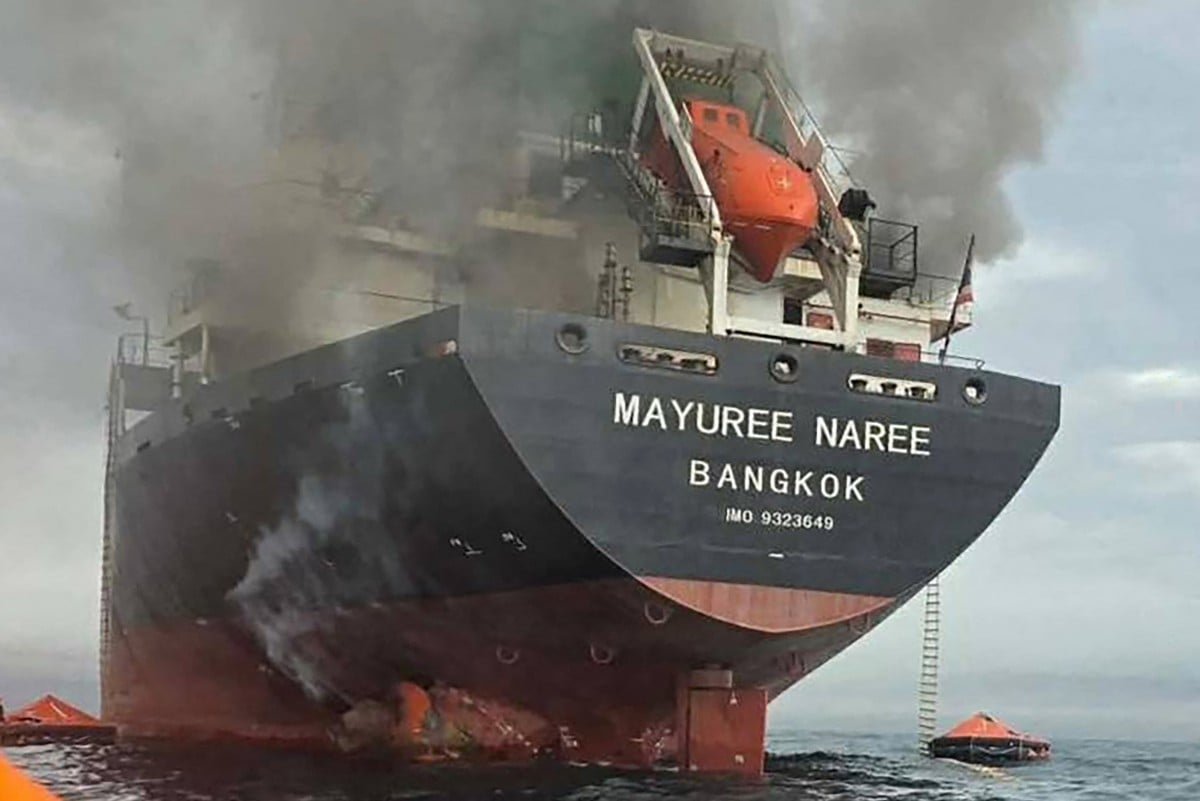
Twenty Thai crew members of a cargo vessel attacked in the strategic Strait of Hormuz arrived in Thailand on Monday, while three of their colleagues remain stranded on the ship in the Gulf. The Thai-registered vessel Mayuree Naree was struck by two projectiles on Wednesday while passing through the Gulf after departing from a port in the United Arab Emirates. Iran’s Revolutionary Guards later said they had targeted the Thai vessel and a Liberia-flagged ship in the strait, claiming both had ignored warnings. The 20 rescued sailors arrived at Thailand’s main international airport early Monday and were quickly escorted away by officials without addressing waiting journalists. A woman identified as Bass, whose husband was among the returning crew members, said she had yet to reunite with him after the incident. “We are all afraid, but they are employees if they refuse to go out to sea, they won’t get paid,” the 32-year-old said. She added that she had not received any information from the shipping company about her husband’s movements or when he would return home. Bass said she had only communicated with him through Facebook Messenger and had brought their one-year-old son to the airport at his request. Journalists at the airport saw the returning sailors board a bus shortly after their arrival. According to Bass, when the vessel was hit last week, her husband was only able to grab his phones before evacuating. He later apologised to her for leaving behind a small pillow that belonged to their son. She urged the company to ensure the safety of its workers during the ongoing conflict. “I want them to be sure the ship will be safe when it goes out during this war situation,” she said. “They should treat the employees like their own family.” The vessel’s owner, Precious Shipping, said in a statement on Monday that it would provide welfare support for the crew, including medical checks and mental health assessments. The company added that its highest priority was continuing efforts to locate the three crew members who remain missing. Earlier, the firm said the three sailors were believed to be trapped in the engine room, which was damaged during the attack. Thai officials said the country was seeking assistance from two other nations to help locate the missing crew members. The Thai navy previously reported that the Omani navy rescued the 20 sailors on Wednesday. The incident comes amid escalating tensions in the Middle East. Following strikes by the United States and Israel on Iran more than two weeks ago, Tehran has carried out retaliatory attacks against regional targets. The situation has raised concerns over the safety of shipping through the Strait of Hormuz, a vital waterway that normally carries about one-fifth of the world’s oil supply, heightening fears of disruption in global energy markets.